

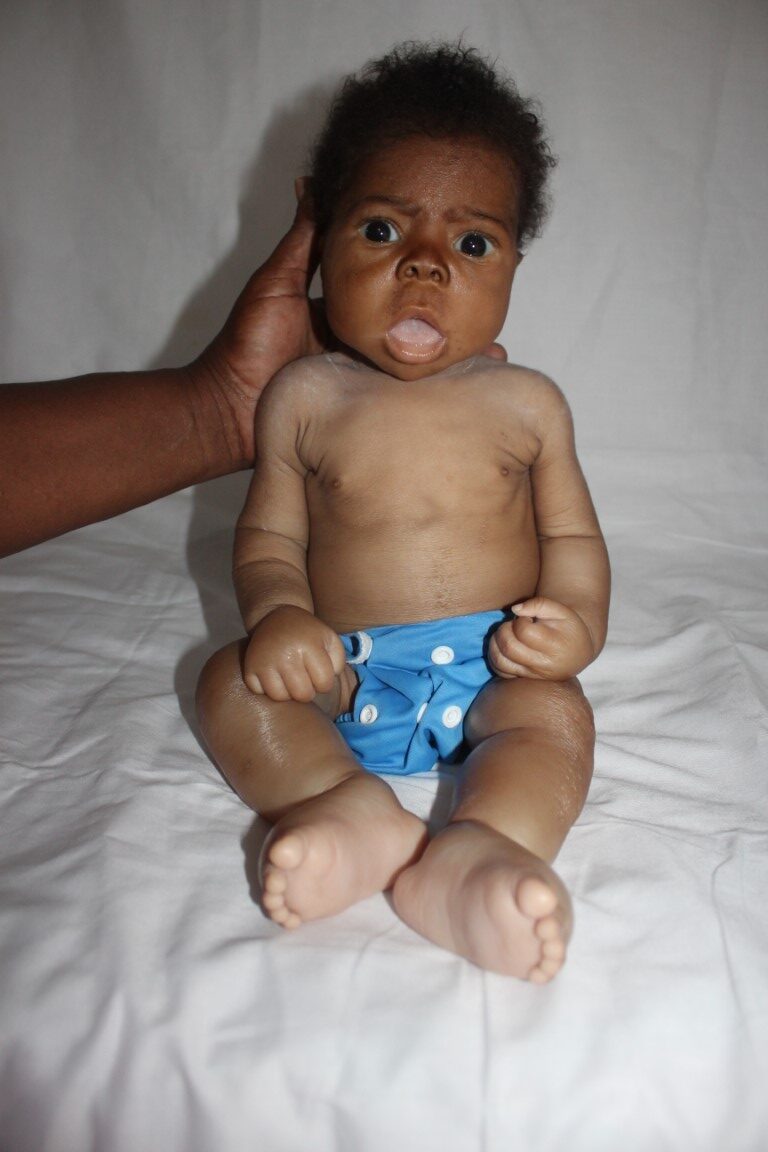
Aisha, a six-month-old baby girl, was admitted to our clinic weighing only 7 pounds. She has one living brother and one sister, but tragically, another sibling has died. Her mother, who is not mentally stable, is unable to care for her children. As a result, Aisha’s aunt has been doing her best to provide for her. The family are farmers, cultivating millet, beans, and corn. They reside in a modest four-room home made of tin and wood, with a tin roof offering little protection from the elements. When Aisha arrived at our clinic, she was not only severely malnourished but also suffering from severe kwashiorkor. Her condition was critical, and immediate intervention was necessary to save her life. The dedicated care she receives now offers a glimmer of hope for her recovery and a healthier future.
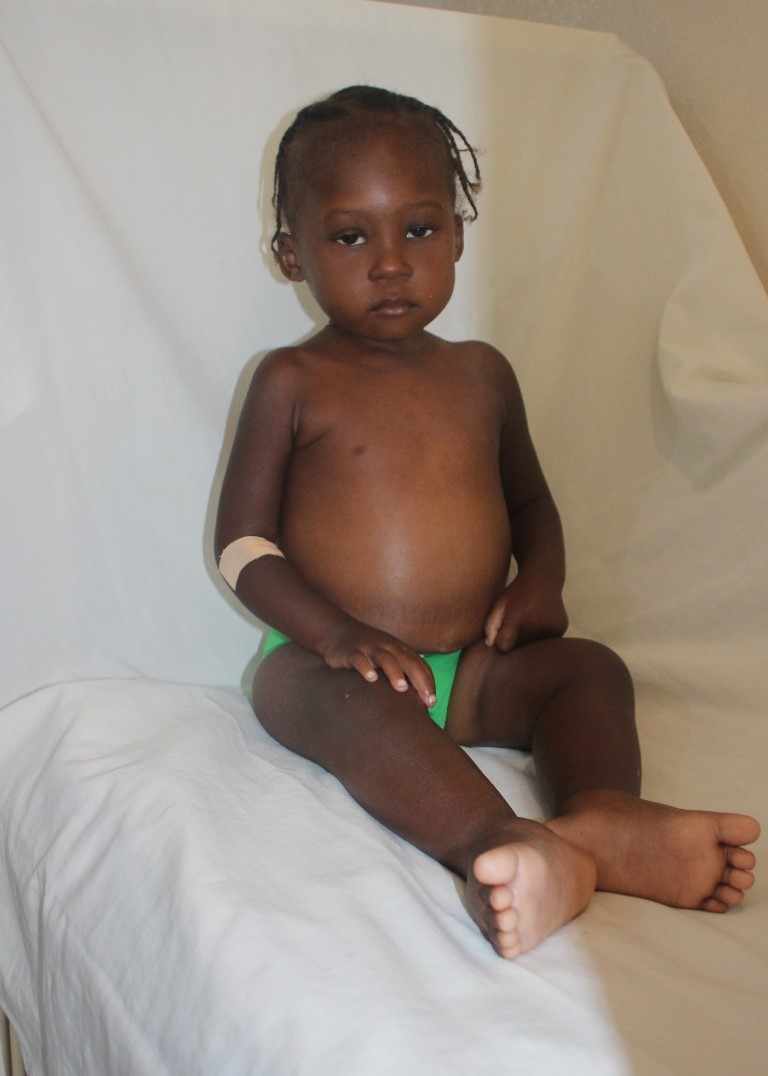
Stabendjina lives with her family in a one-room home made of cinder blocks with a tin roof. She has two sisters and two brothers, and the family makes a living as farmers, growing bananas, corn, and beans. They tend to their crops by hand and sell them at open-air markets. The family lacks running water and a flush toilet, relying instead on an outhouse and purchasing their water from the local market. About a week before arriving at the clinic, Stabendjina fell ill with diarrhea and began showing symptoms of kwashiorkor. Her family made a four-hour journey by motorcycle and foot to bring her to the clinic. Upon arrival, her weight-to-height ratio was measured at -1 standard deviation, and her condition was considered severe due to kwashiorkor. Stabendjina was initially given F-75 therapeutic milk and then transitioned to Medika Mamba to support her recovery. Despite the challenges, Stabendjina is now on the path to regaining her health.
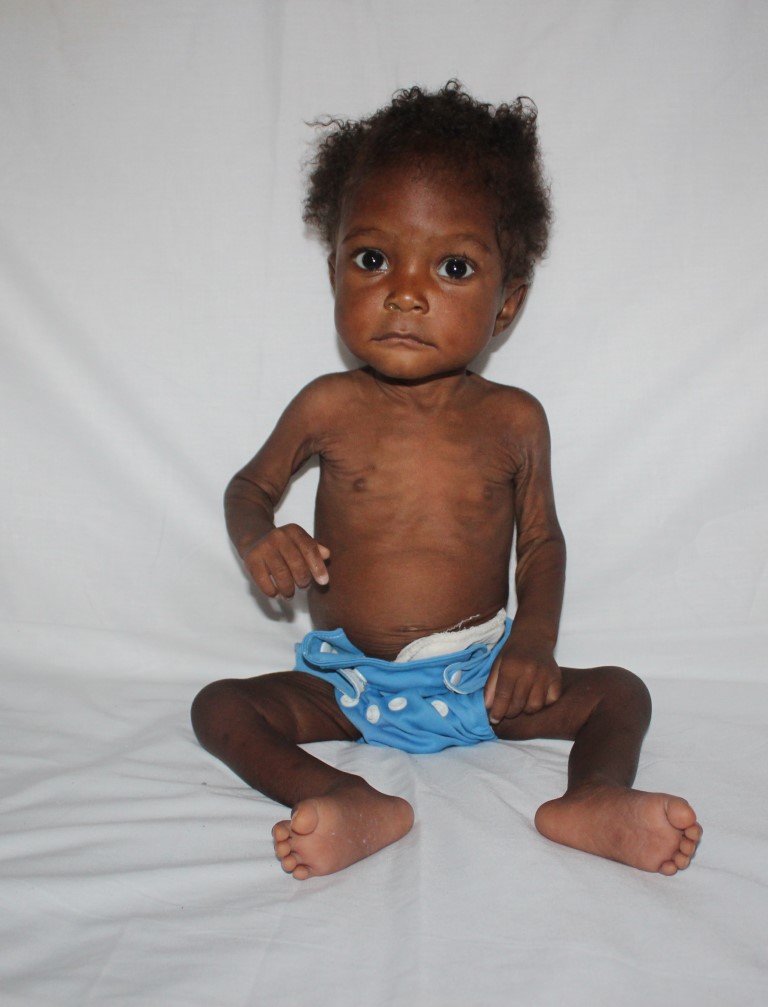
Yvena, a 12-month-old girl, weighed just 8 pounds when she was admitted to our clinic—severely malnourished at -4 standard deviations from the WHO average. Her cognitively impaired mother became pregnant under unknown circumstances, and the family didn’t realize it until her pregnancy was visibly advanced. Yvena was brought to us by her maternal great-aunt and has been living with her mother and grandmother. After three months of breastfeeding, Yvena suddenly refused to continue, causing her health to deteriorate rapidly. The family, who are farmers growing watermelons, corn, and millet, live in a one-room home made of sticks with tin walls and a tin roof. They face significant hardships, including a 1.5-hour walk to fetch water, and lack access to running water and proper sanitation. When Yvena arrived at the clinic, we immediately started her on F-75 therapeutic milk and later transitioned her to Medika Mamba. Thanks to this intervention, she is now on the path to recovery.
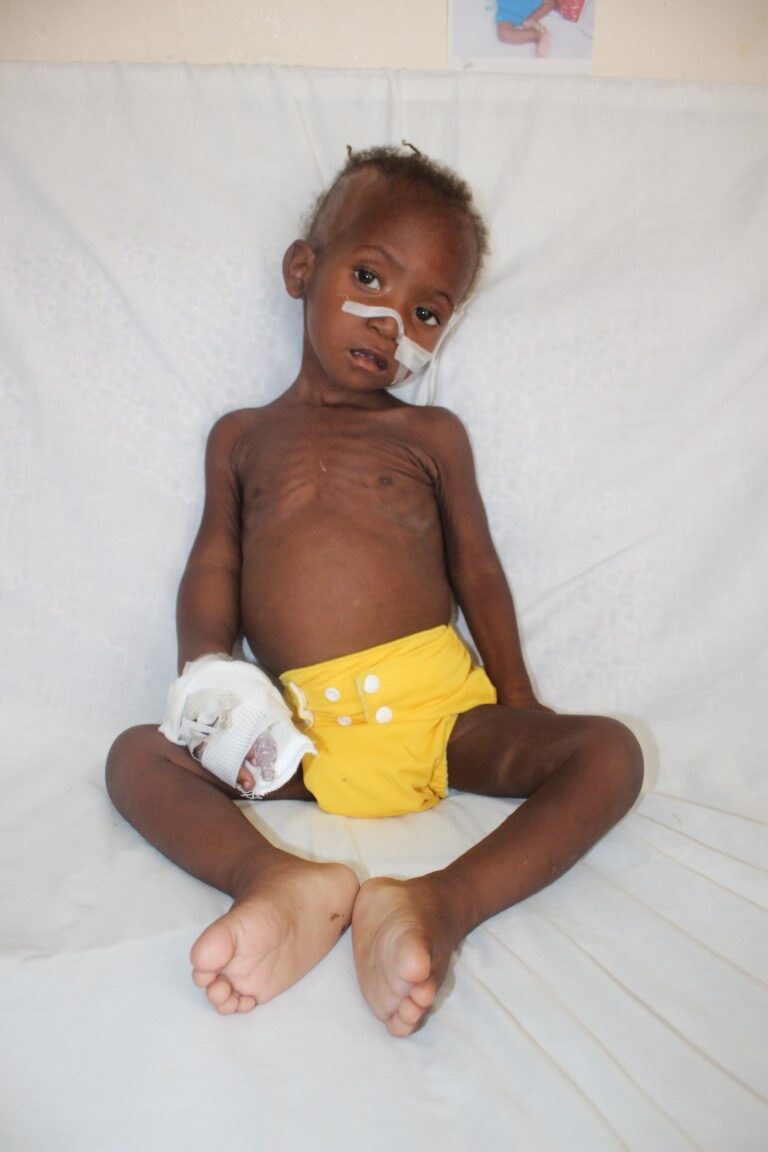
Gedson is 18 months old and is living in a one-room home made of tin walls, a tin roof, and sticks, his family faces many challenges. Both his parents are alive; his father is a farmer who grows bananas, roots, and sweet potatoes, selling them in open-air markets for profit. His mother buys carbonated drinks in bulk and resells them. They lack running water, a flush toilet, and even an outhouse, relying on a 30-minute walk to the nearest water source. Severely malnourished, Gedson had a weight-for-height ratio of -3SD according to WHO standards, and he was also diagnosed with kwashiorkor. In addition to his malnutrition, he suffered from a fever and a cold. At the clinic, he was started on F-75 therapeutic milk and then transitioned to Medika Mamba. Due to his condition, we had to place an NG tube to ensure he received the necessary nutrition.
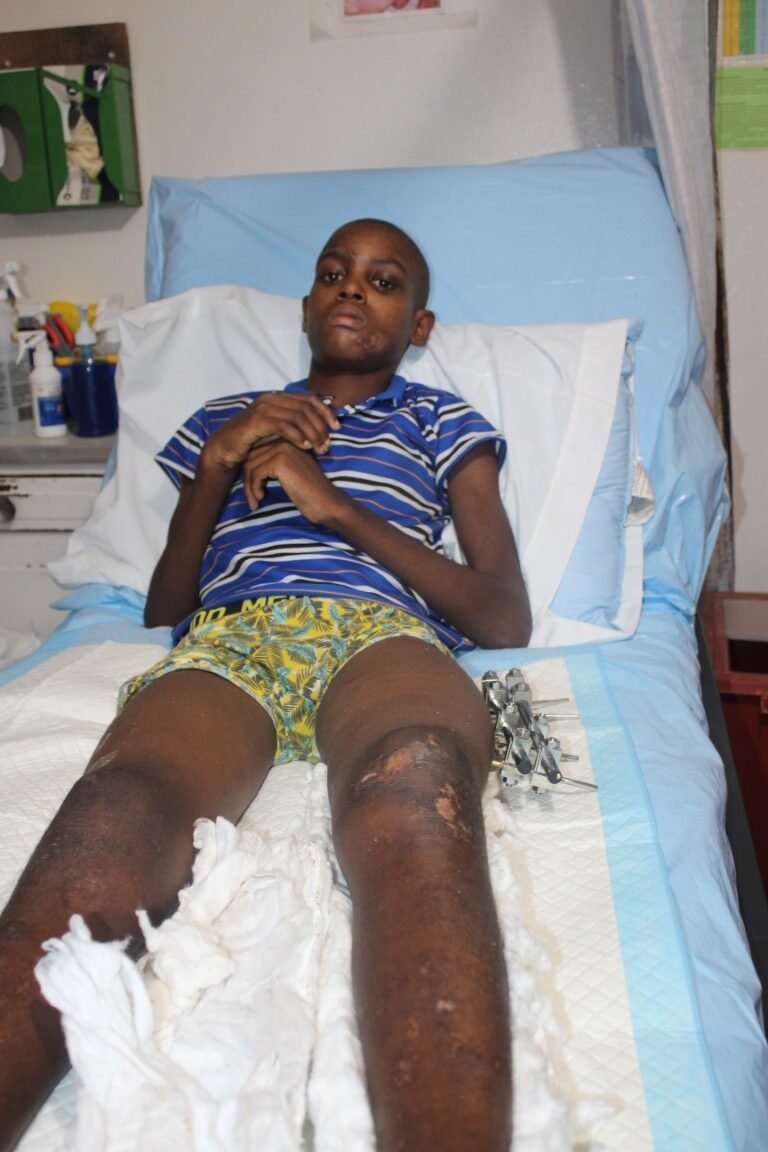
Jean Odes faced a life-altering accident when he fell from a tree, breaking both legs and one arm. He remained unconscious for several days before we could transport him to a major hospital for surgery. After the operation, he was left with external pins and screws in his legs and required daily dressing changes. Given the extent of his injuries, Jean was admitted to the USN for extended care. Jean lives with his parents and three brothers, and together they farm beans, millet, and corn in their gardens. Jean will stay with us until his legs and arm heal, and he can walk again.
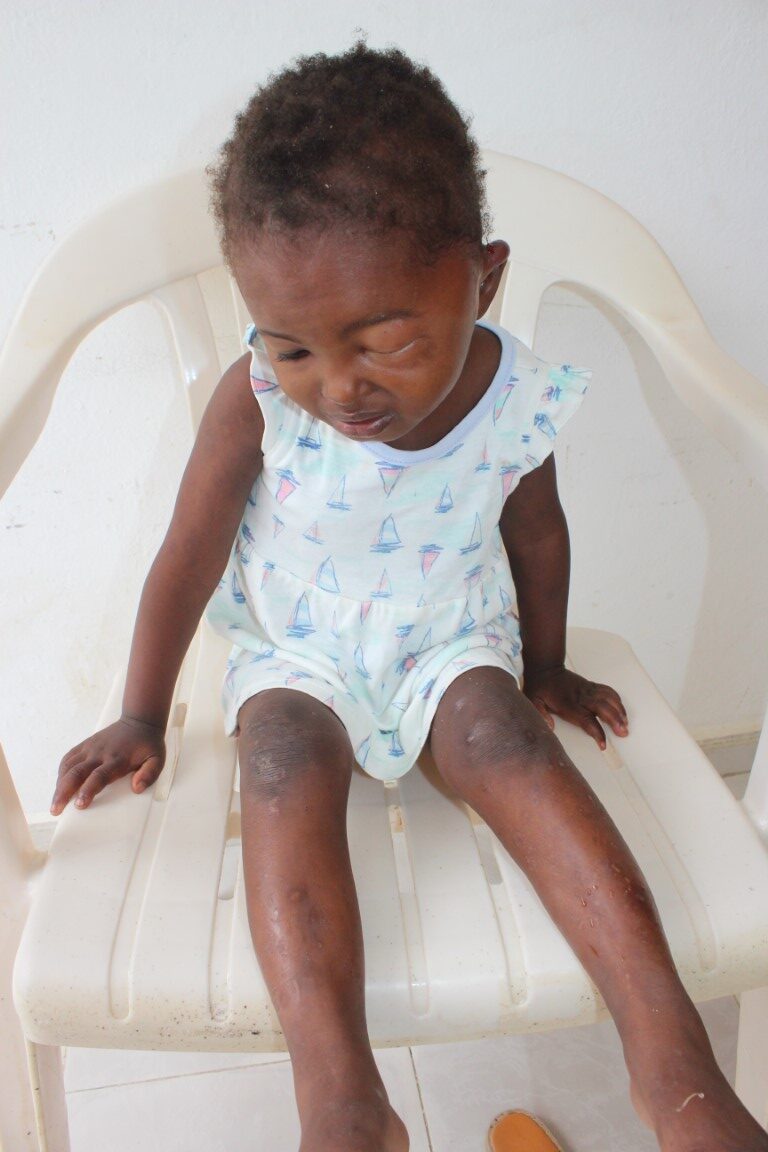
Layidina was brought to our clinic by her mother, who was deeply concerned about her daughter’s condition. Layidina had been suffering from edema, a persistent cough, and an abscess on the side of her head that caused swelling in her face and eye. Her medical history revealed that she had been referred to us from a clinic located six hours away. Layidina and her mother live in a three-room home made of rocks and clay, with a tin roof. They lack running water and must walk an hour to collect water from a nearby source, but they do have an outhouse. Upon arrival, Layidina was found to be moderately malnourished, with a weight-to-height standard deviation of -2. Due to her condition, we admitted her for inpatient care. This is her second time being admitted to the USN. Once the abscess is drained, she will undergo daily dressing changes and receive the necessary medications. Layidina’s journey is a reminder of the resilience and strength required to overcome health challenges in difficult circumstances.
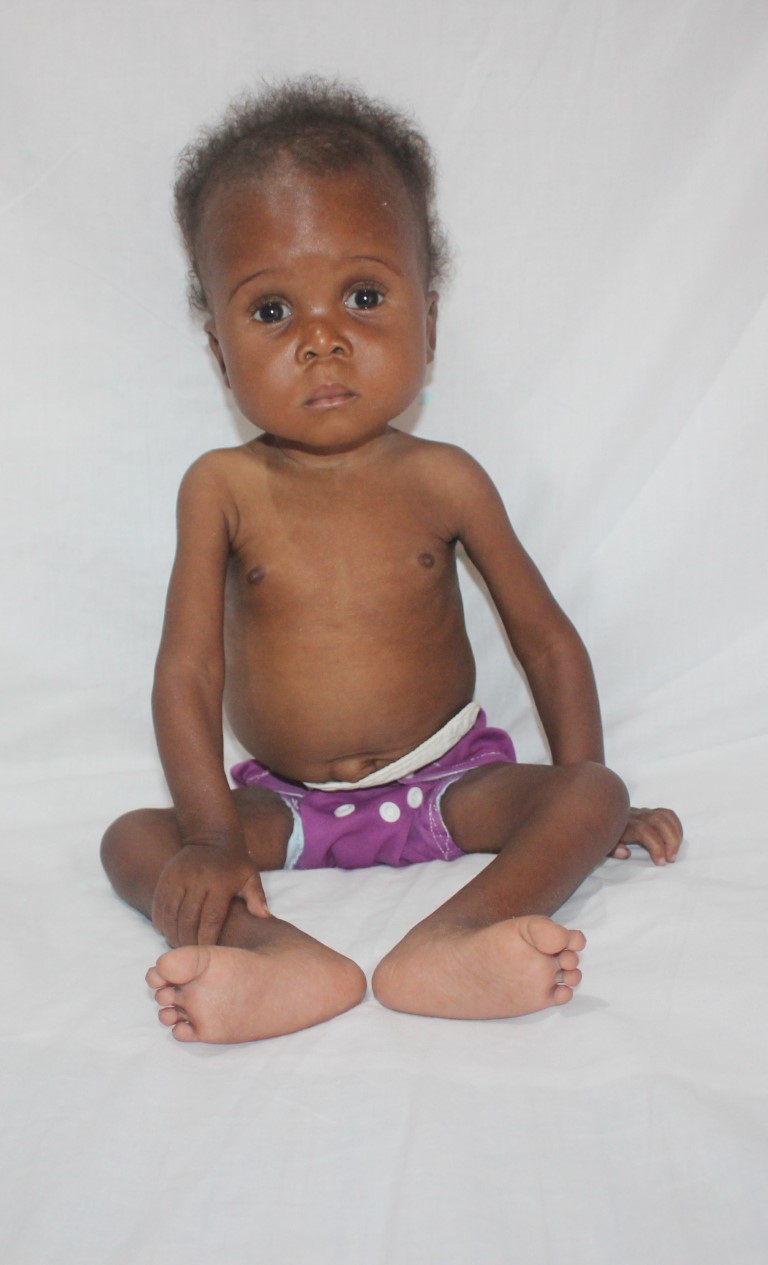
Ancherley, a 12-month-old girl, weighs only 10 pounds and is the only child in her family. Her mother doesn’t work, and her father holds dual jobs as a cook and a motorcycle taxi driver. Ancherley’s mother lives with her father and Ancherley, while her father works in a different location. The family resides in a five-room home made of cinder blocks and covered with a tin roof. They lack running water and a flush toilet but have an outhouse. They source their water from irrigation canals and purchase additional water as needed. Ancherley has been unwell for several months. Her mother stopped breastfeeding her when she was 6 months old, leading to a decline in her health and weight. Ancherley has suffered from diarrhea for the past six days, vomiting for a week, and coughing for several weeks. She has moderate swelling in her feet and is at -4 SD for height-to-weight ratio, indicating severe malnutrition. Despite being 12 months old, she can only sit up and is not yet crawling or walking. The family traveled three hours by motorcycle to reach the clinic. Upon arrival, Ancherley was started on F-75 therapeutic milk and later transitioned to the Medika Mamba program.