

In Haiti, as in many other countries, there are numerous traditions and customs deeply rooted in the culture—especially in rural areas. These practices are often passed down from generation to generation, sometimes without people fully knowing their origins, yet they remain an important part of daily life for many Haitians.
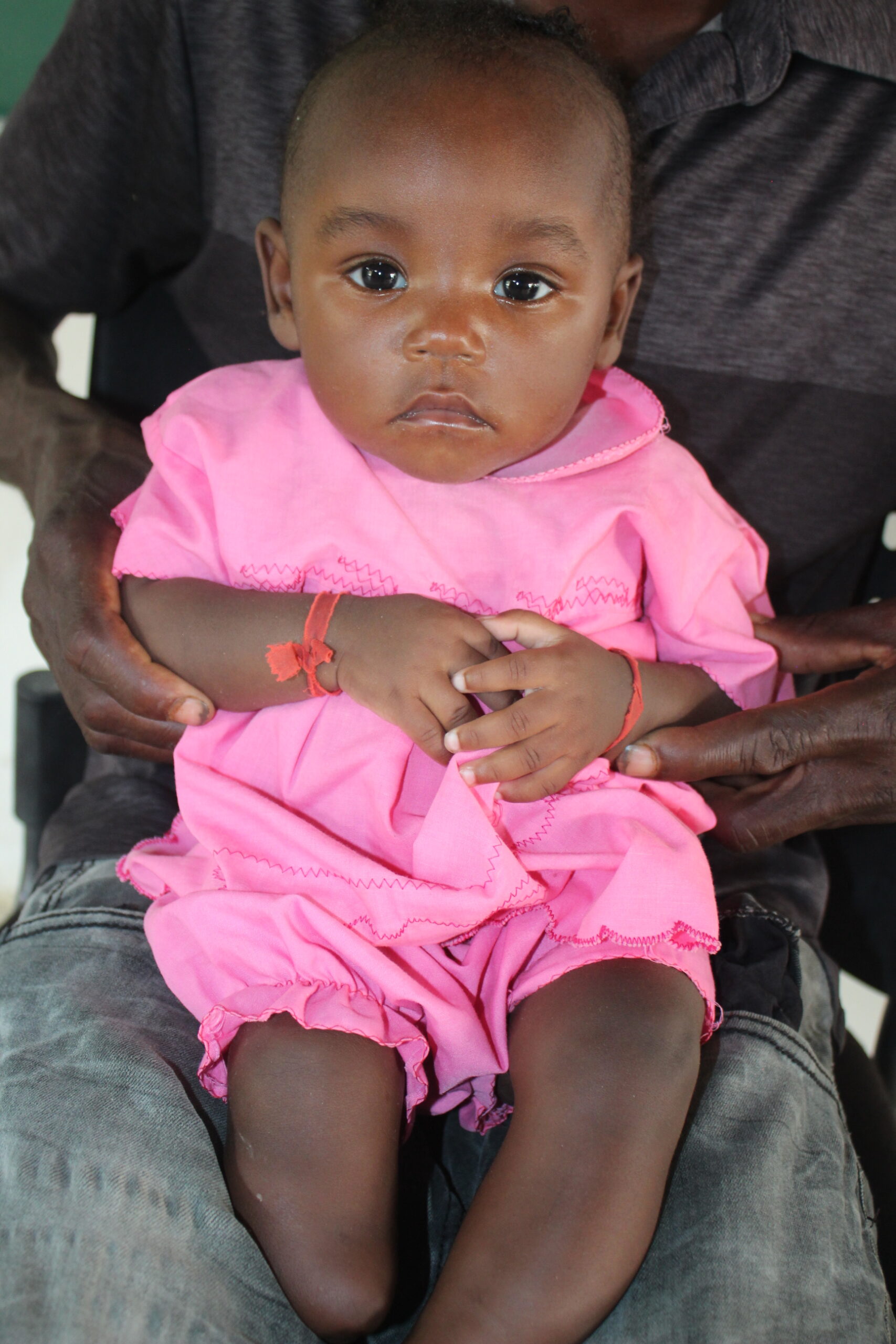
One of the most common traditions is tying a small red string around a baby’s wrist. Many parents do this as soon as their child is born. According to popular belief, the red string protects the baby from the “evil eye,” jealousy, or negative spiritual energy that others might send. In some families, if a close relative passes away, the red string is also used to prevent the spirit of the deceased from returning to take the baby.
However, this tradition is rooted in Vodou practices, where red is believed to hold spiritual power and provide protection from evil spirits. Over time, this custom has become cultural, and many people continue it without realizing its spiritual origins.
At Real Hope for Haiti, we teach families the importance of trusting God alone for protection. The Bible reminds us that our safety and peace come from Him, not from objects or symbols. We encourage parents to pray over their children and place their faith in the Lord’s care.
Another well-known Haitian custom is the key worn around a child’s neck. The key, usually tied to a small string or cord, is believed to prevent diarrhea in babies or to protect them while teething. Although this practice has no scientific or spiritual basis, it remains a symbolic and traditional gesture in many families, especially in the countryside.
These customs reflect Haiti’s rich cultural heritage, where faith, protection, and tradition are deeply intertwined in everyday life. But as followers of Christ, we continue to share the truth that our greatest protection and hope are found in God alone.