

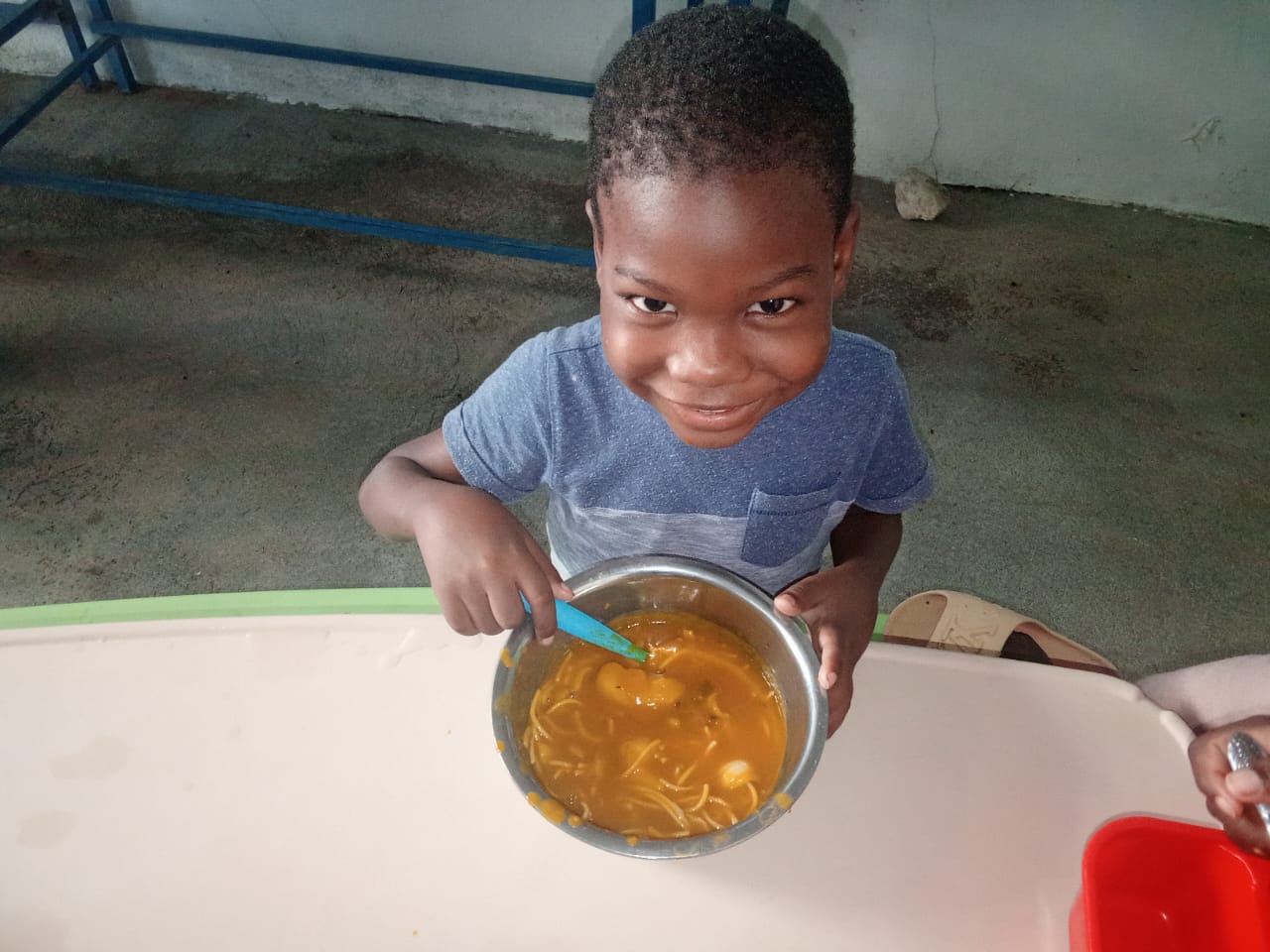
Every Sunday here at the mission, we serve a big pot of warm, comforting soup—a simple tradition that brings everyone together. But whenever January approaches, we can’t help but think about another beloved soup that holds a very special place in the hearts of Haitians everywhere: Soup Joumou, the famous Haitian pumpkin soup prepared every January 1st.
In Haiti, Soup Joumou isn’t just food. It’s history. It’s freedom. It’s identity.
On January 1, 1804, when Haiti won its independence, newly freed Haitians celebrated by eating a soup they had been forbidden to taste under slavery. Before freedom, Soup Joumou was made by enslaved Africans but could only be eaten by French colonizers. So after independence, Haitians cooked it as a symbol of victory, dignity, and a new beginning.
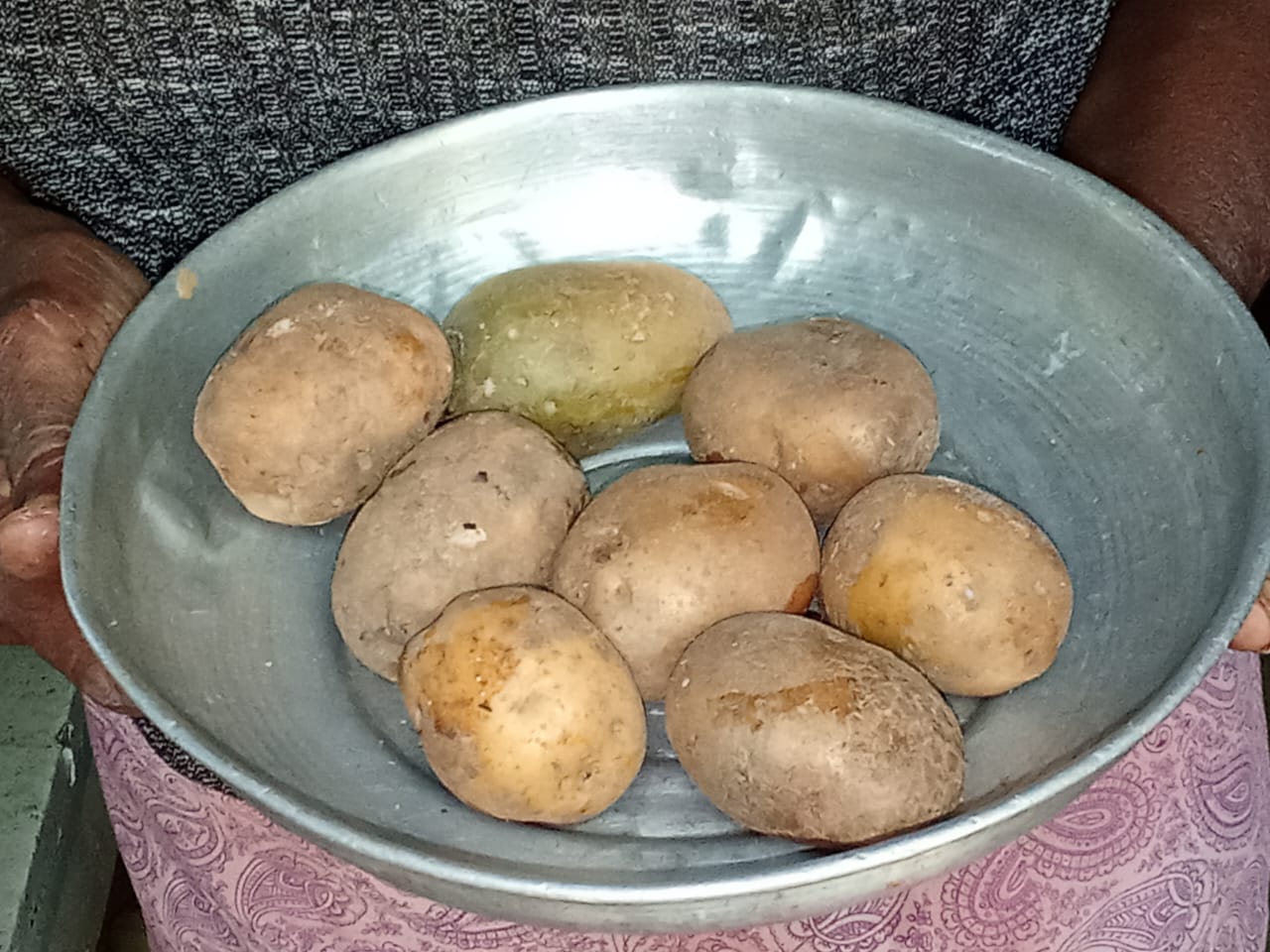
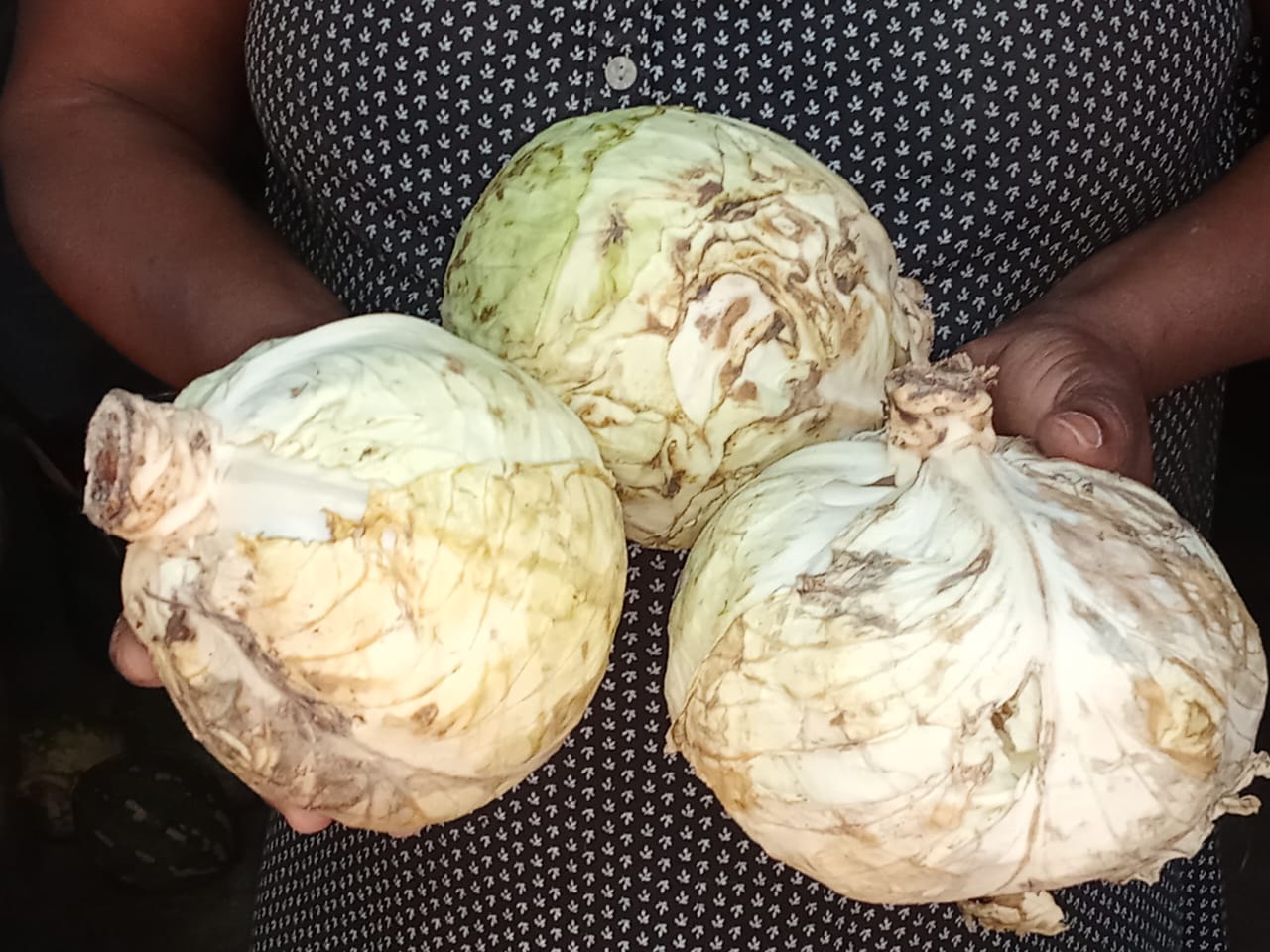
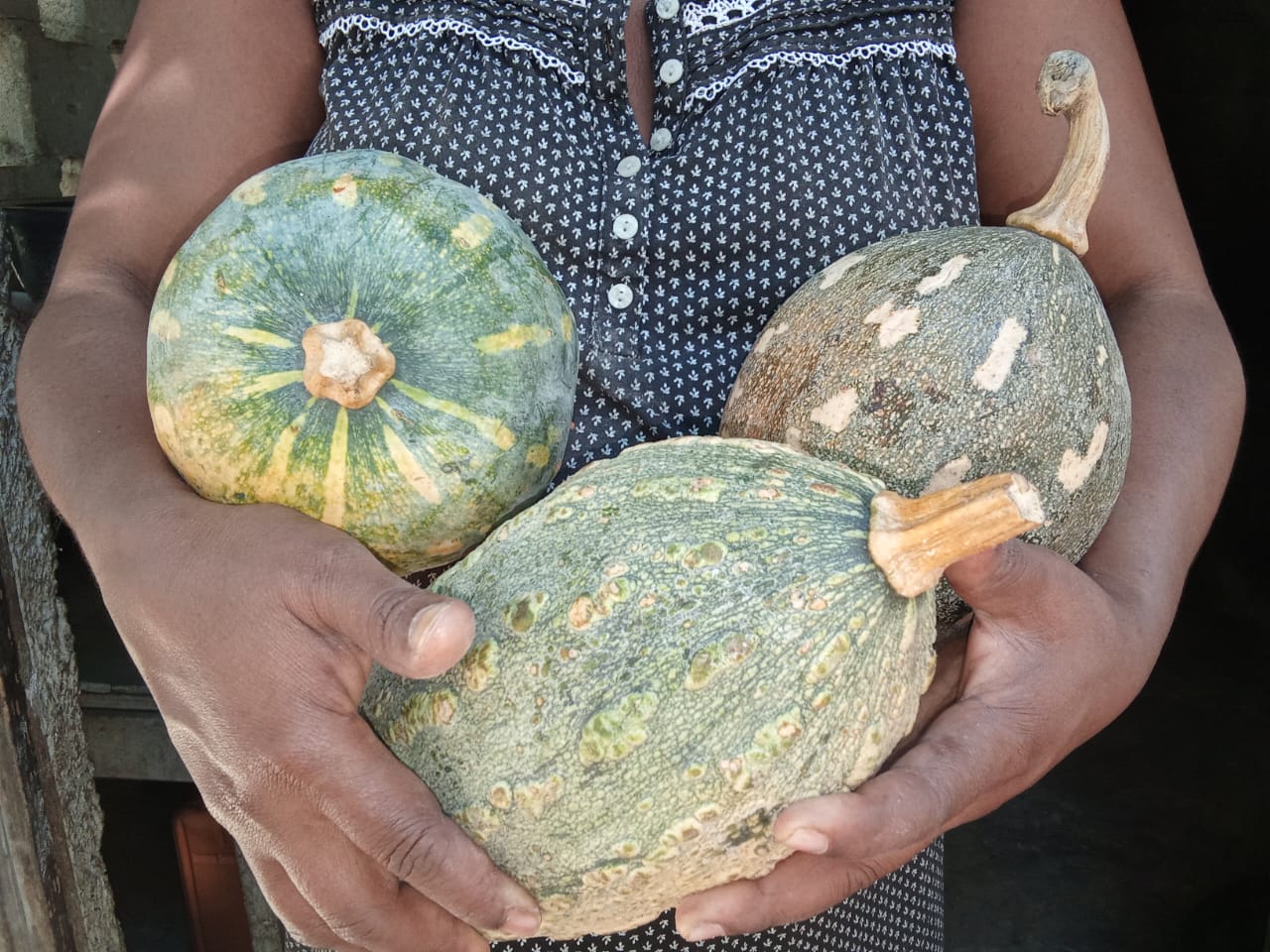
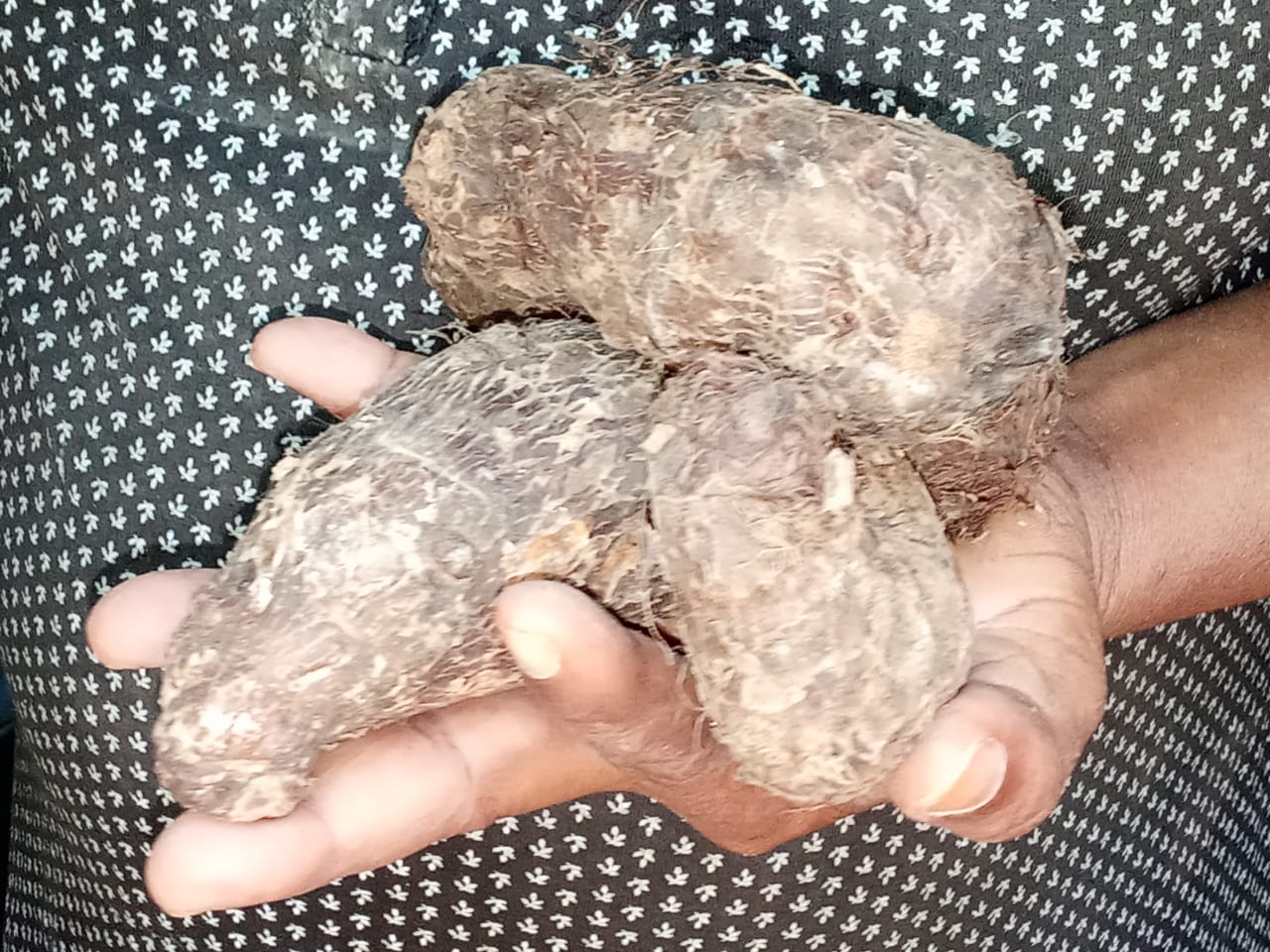
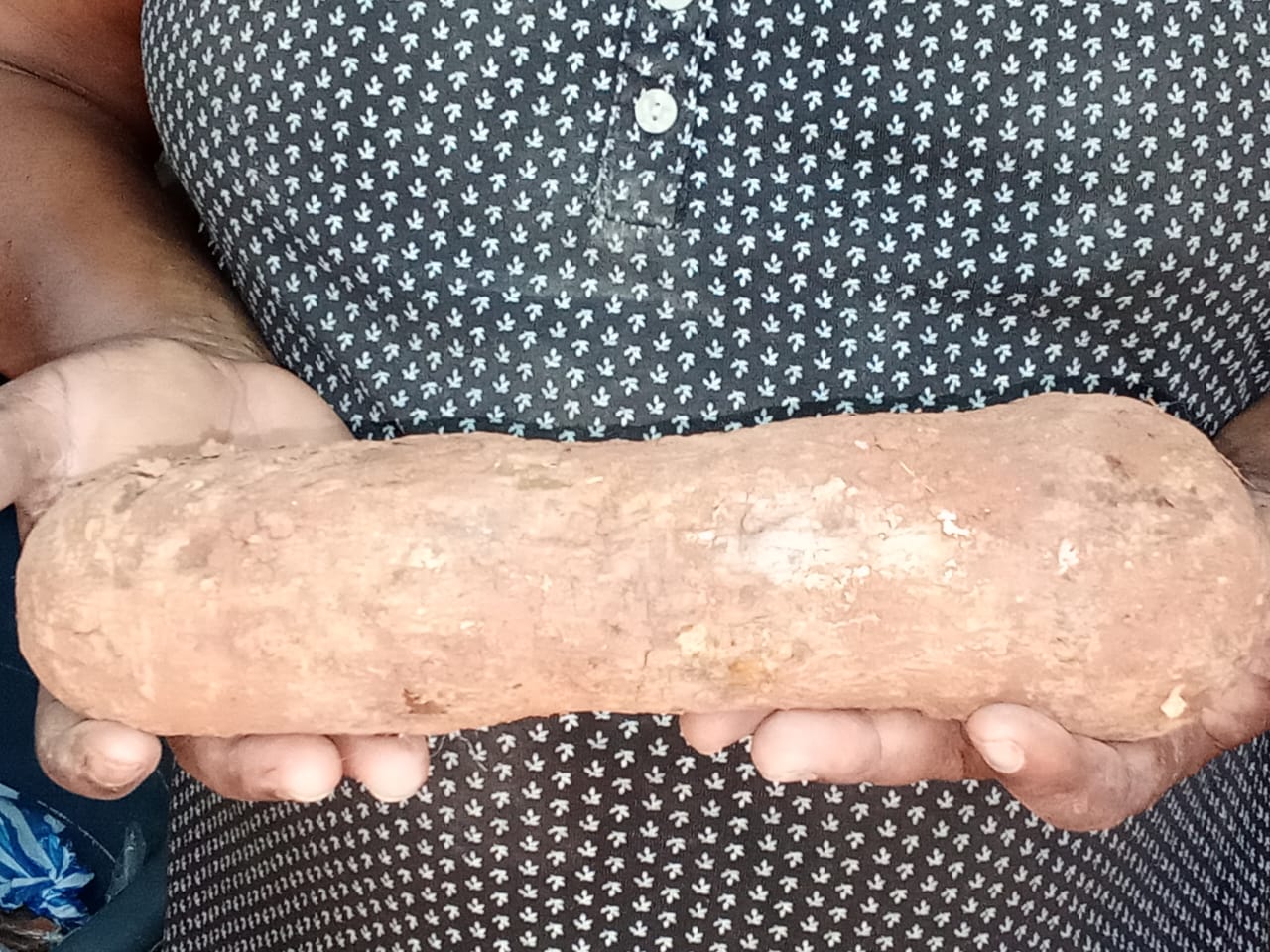
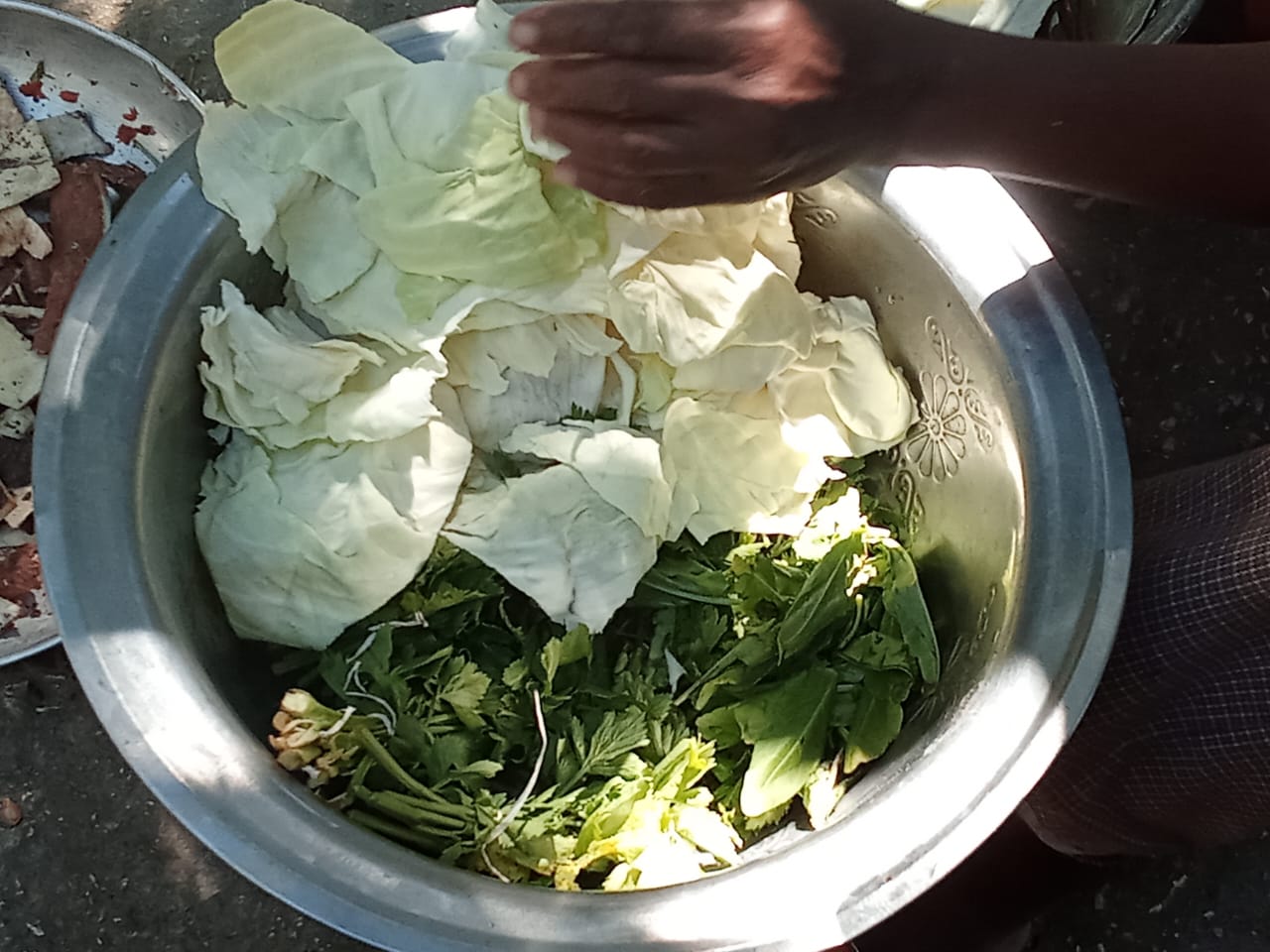
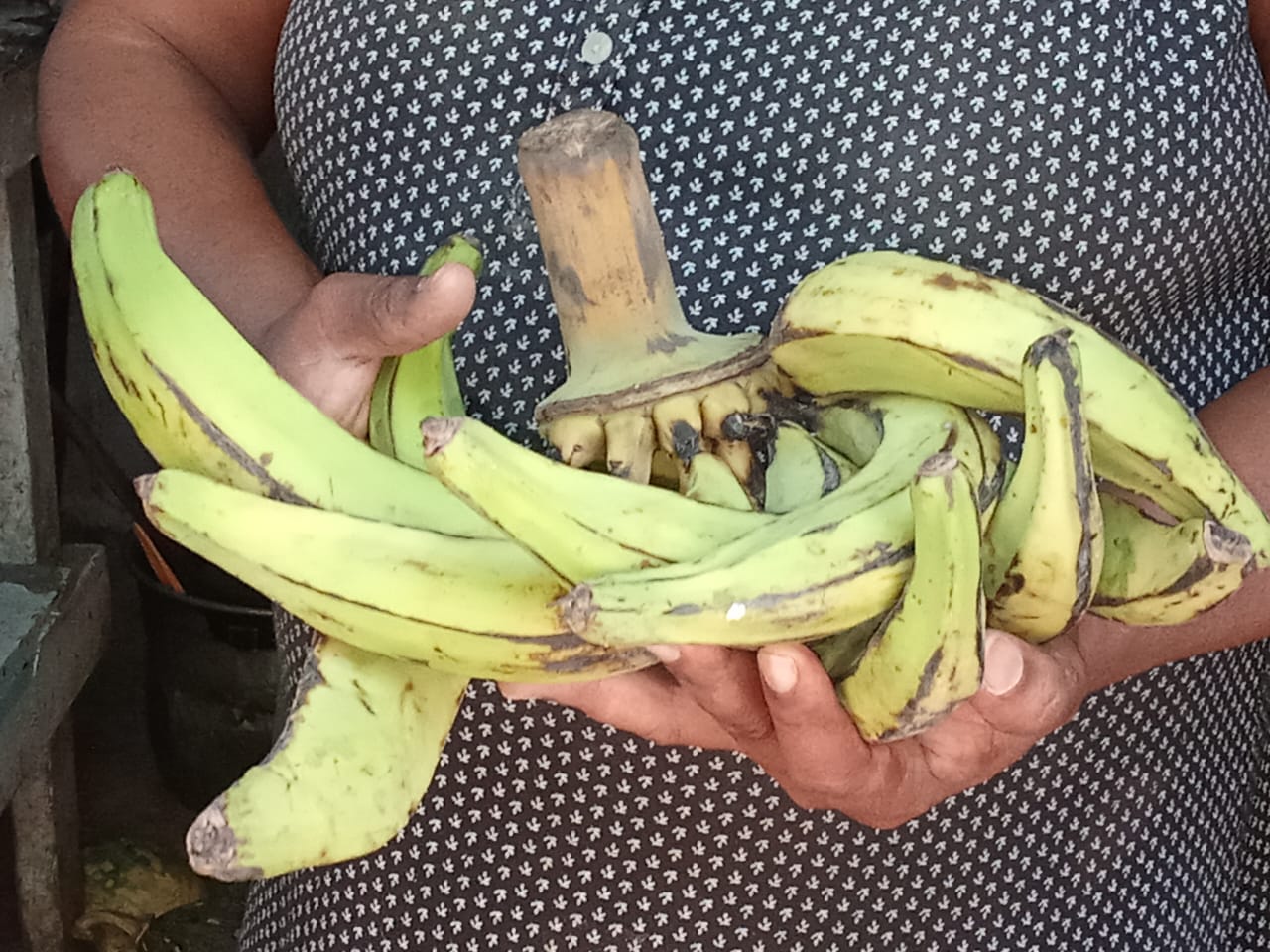
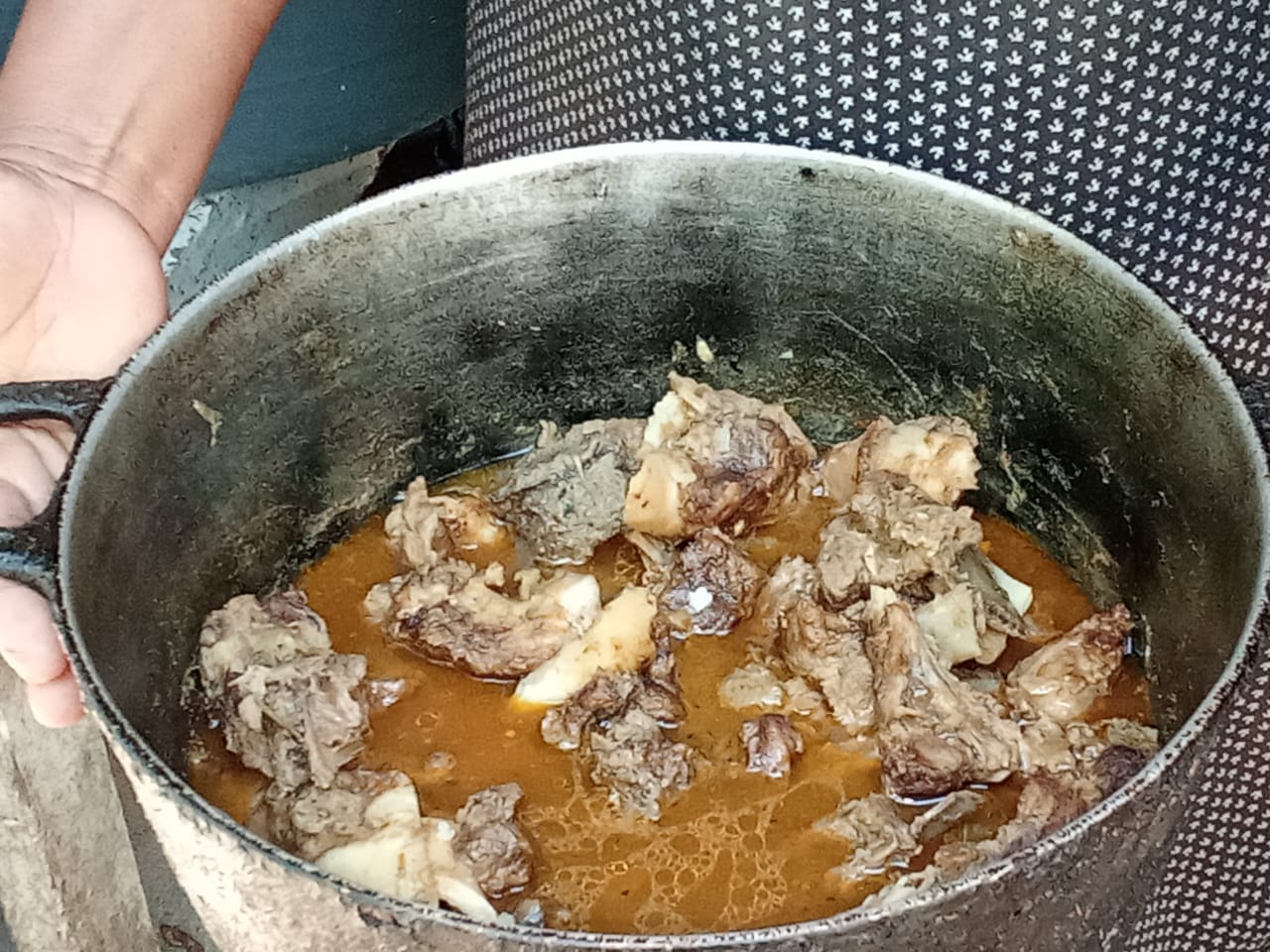
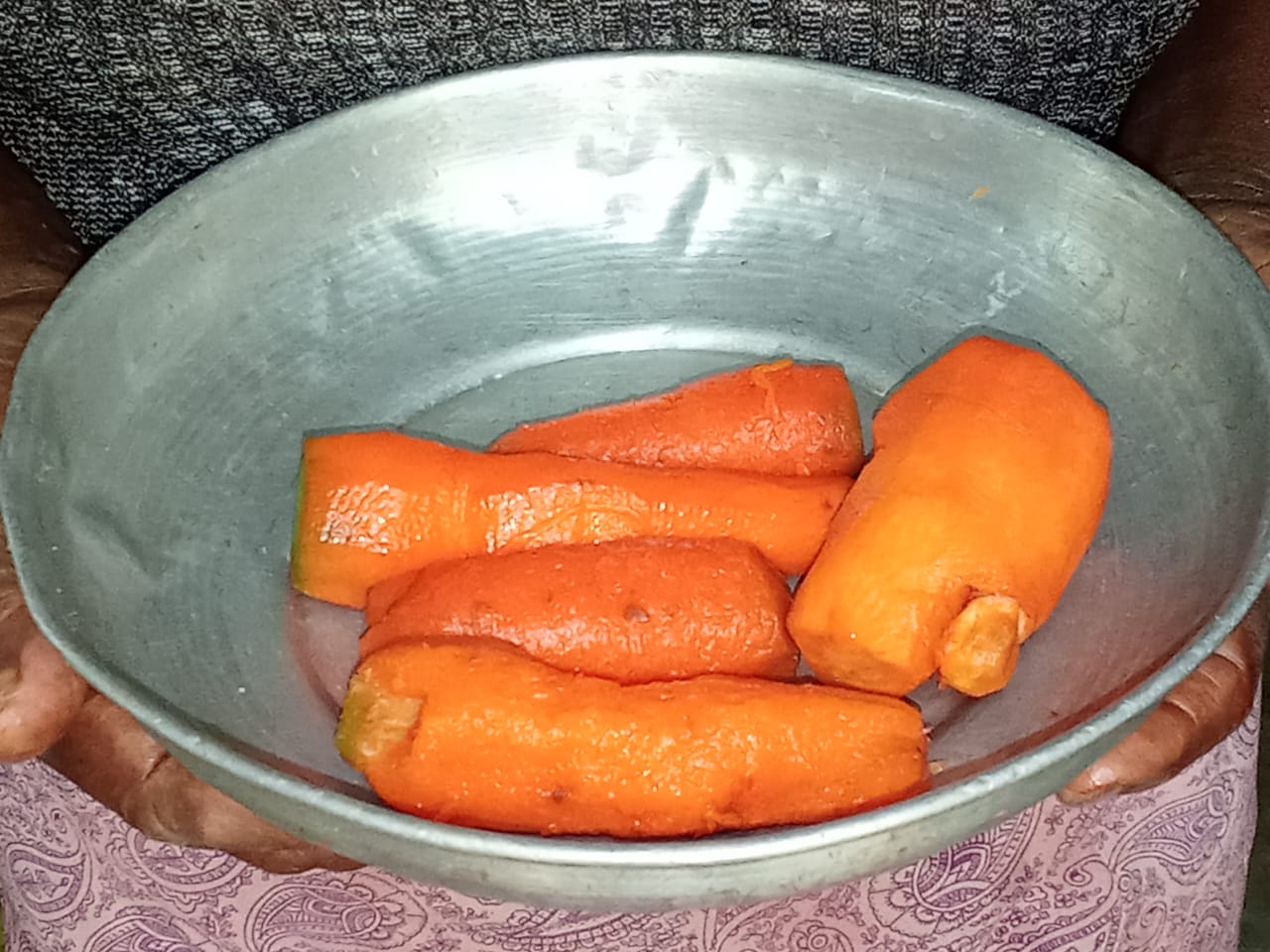
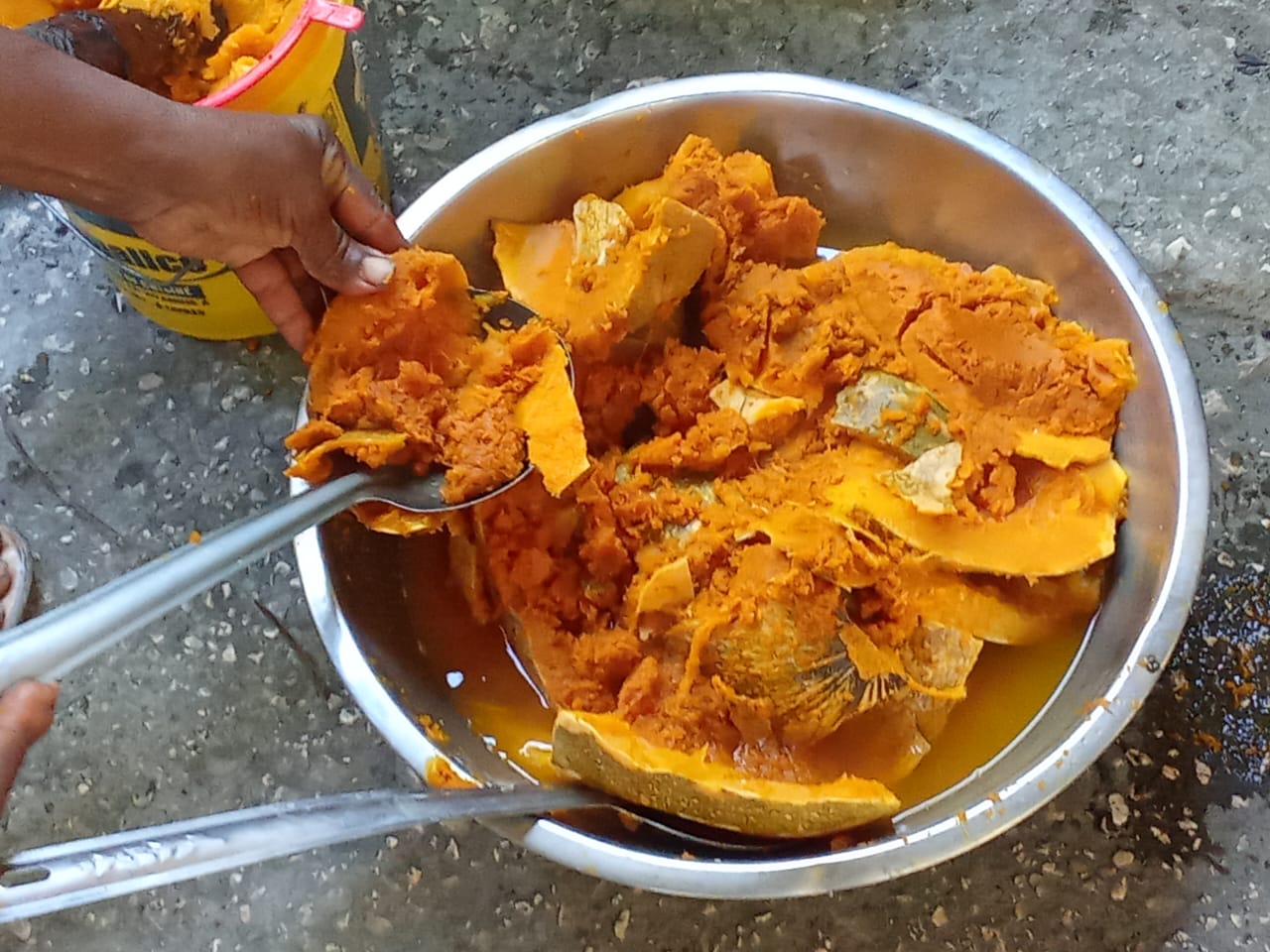
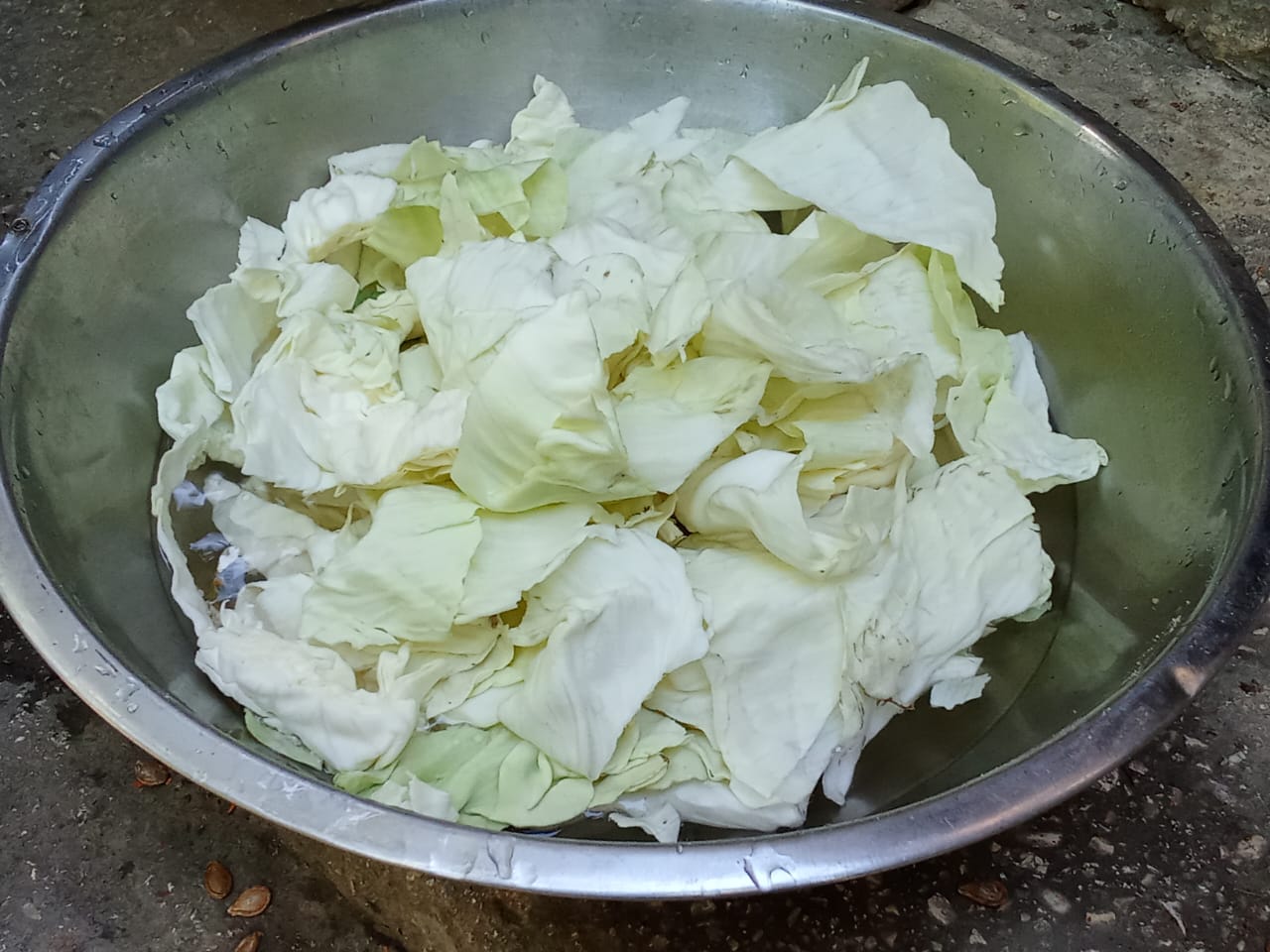
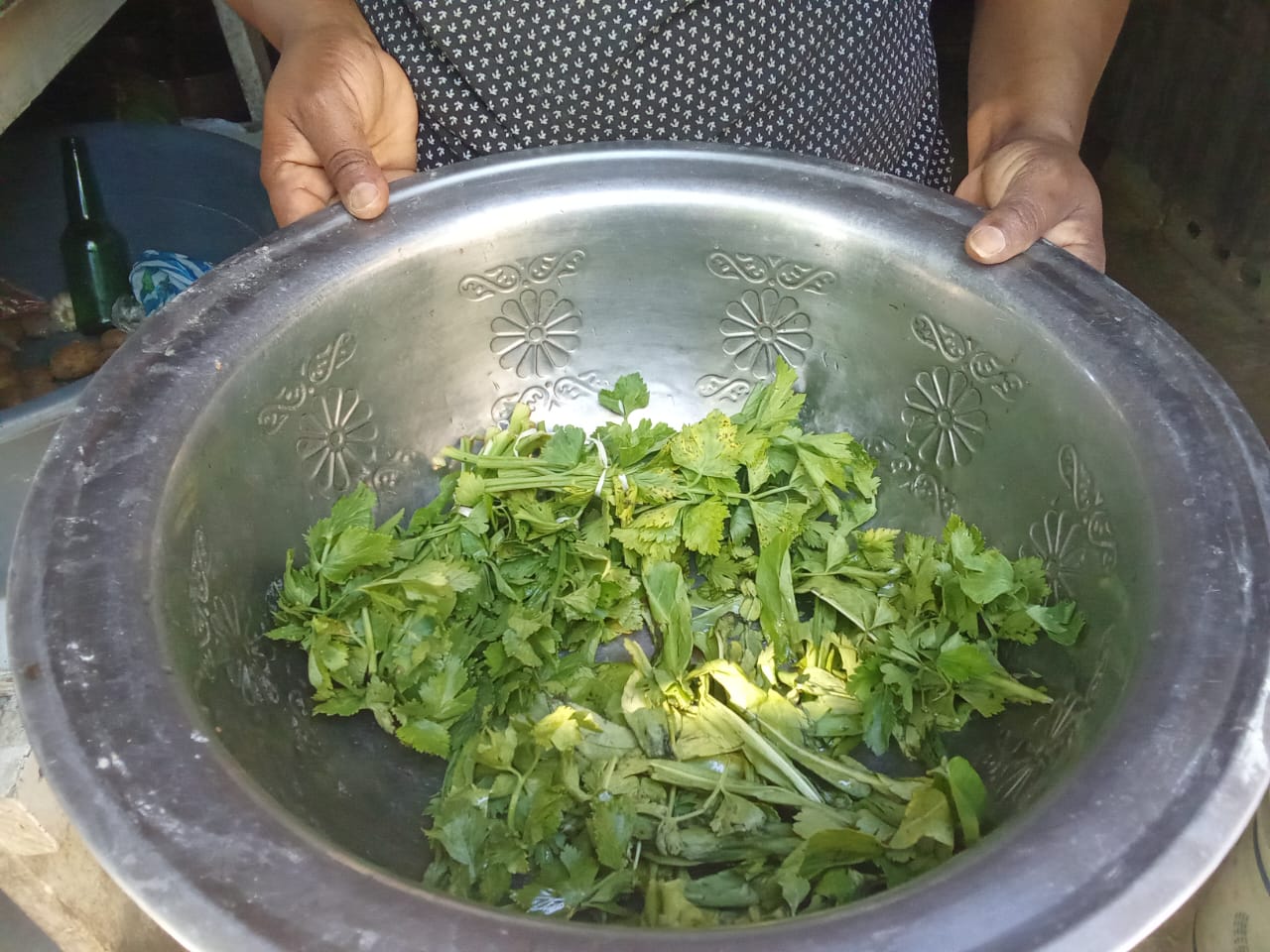
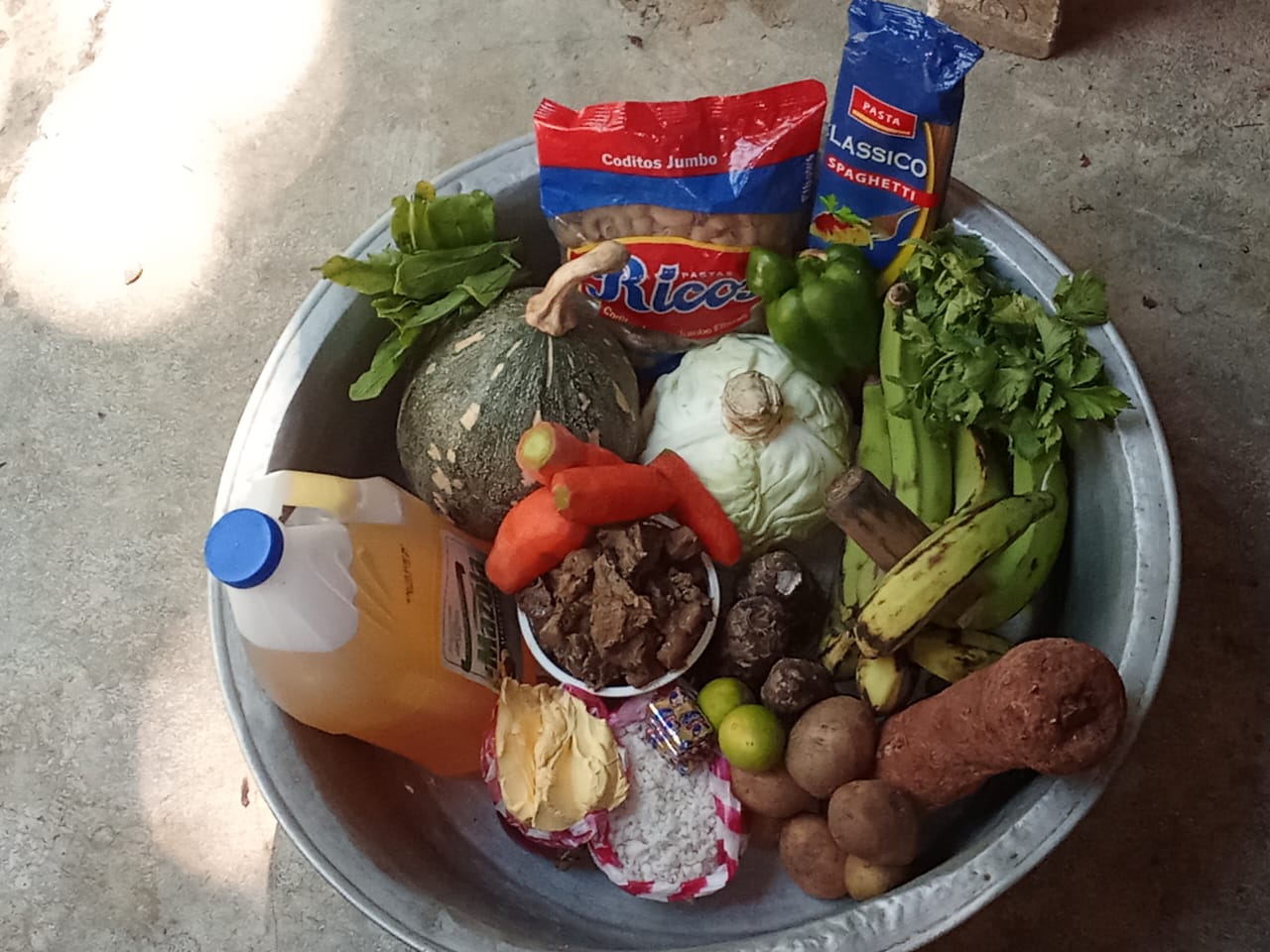
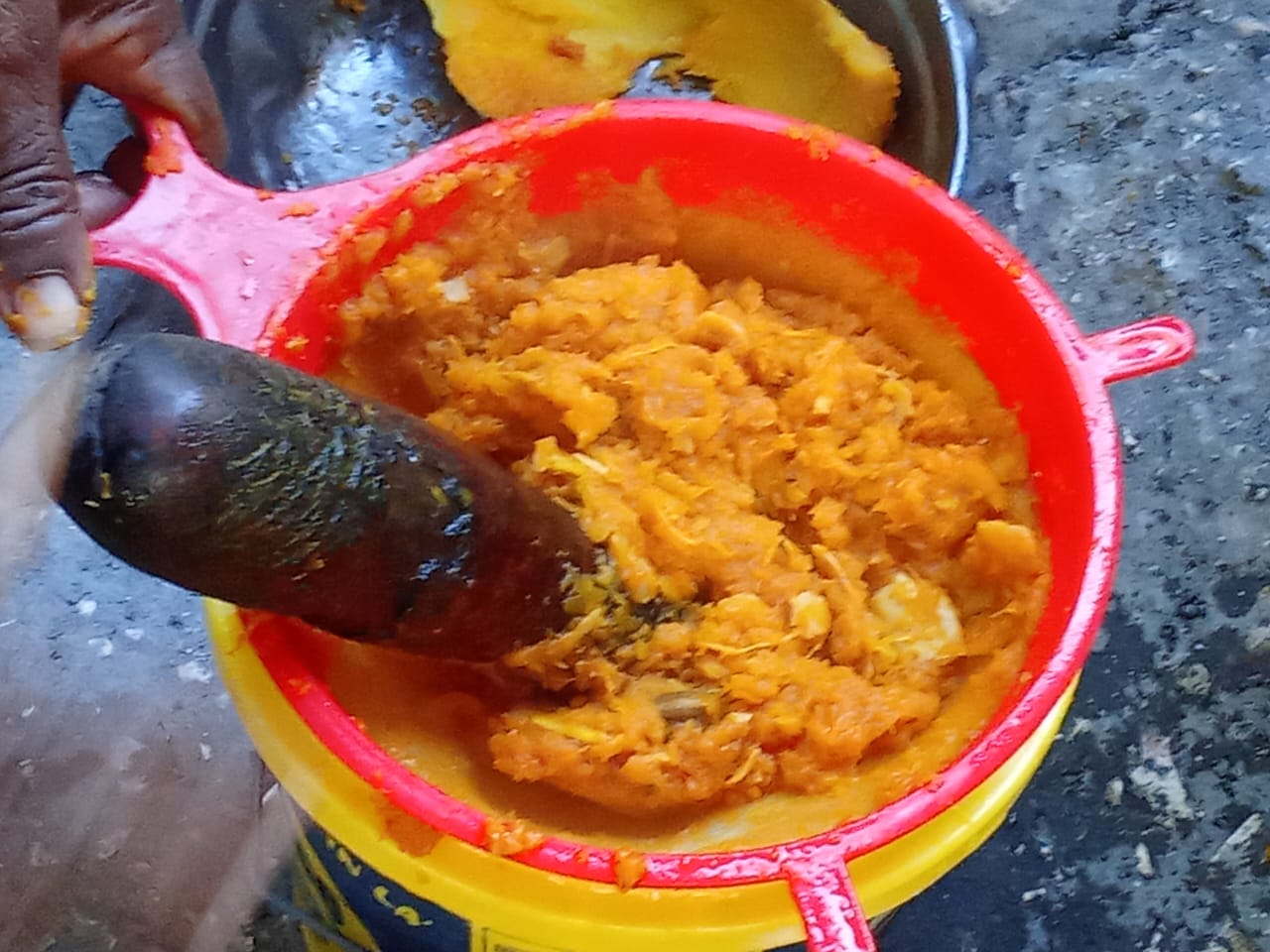
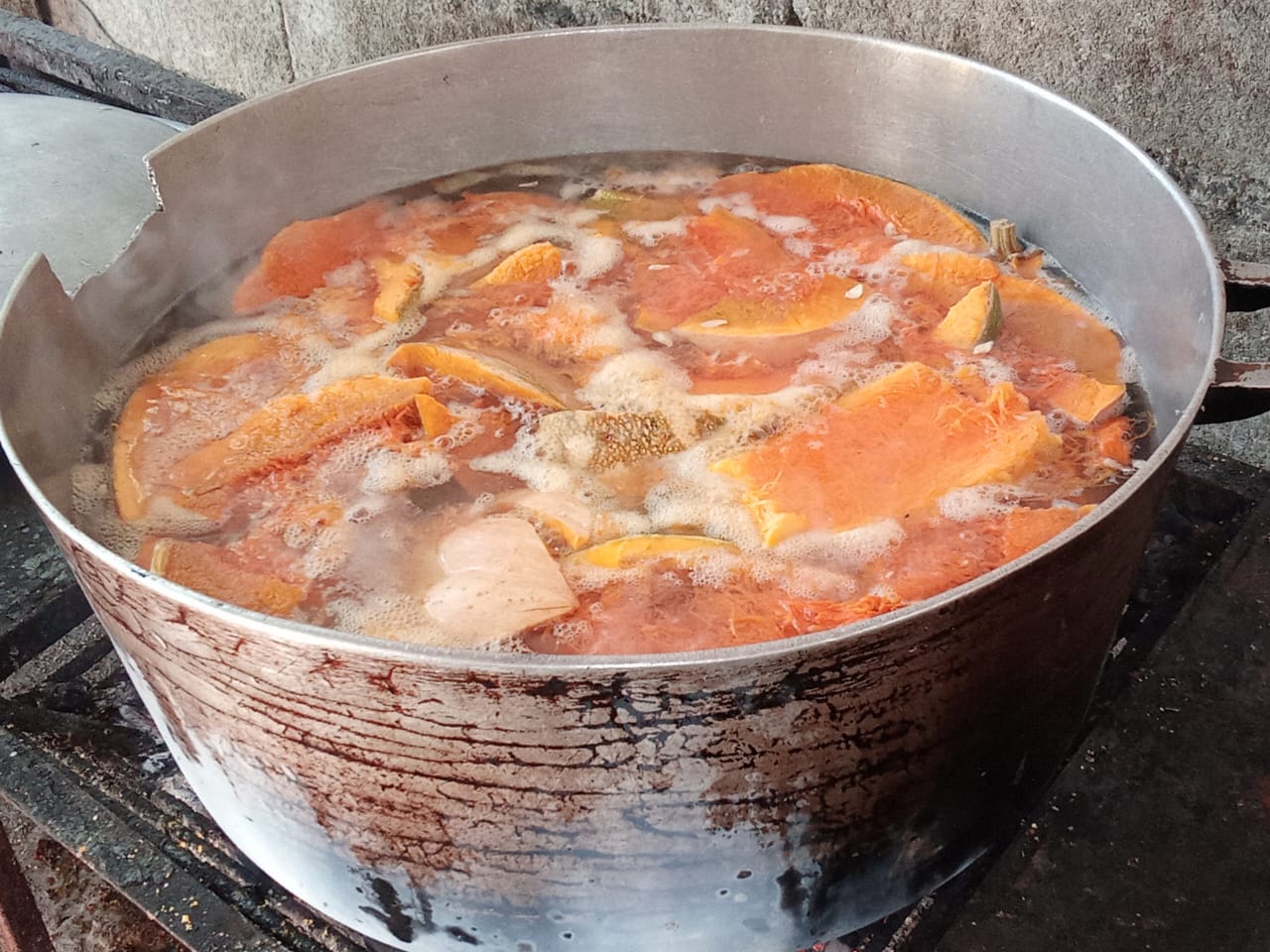
And so, every January 1st, families across the country—from the mountains to the coast—wake up early to prepare this iconic soup. It’s made with Haitian pumpkin (joumou), beef or goat, potatoes, carrots, plantains, cabbage, pasta, and a rich blend of local seasonings. It simmers for hours until the flavors deepen into something both strong and comforting—much like the spirit of the Haitian people.
Even though our regular Sunday soup isn’t always the official Soup Joumou, the tradition reminds us of the same things: warmth, togetherness, and the blessing of sharing a meal. And as January 1st gets closer, we look forward to joining millions of Haitians in celebrating the strength, resilience, and freedom that this powerful dish represents.
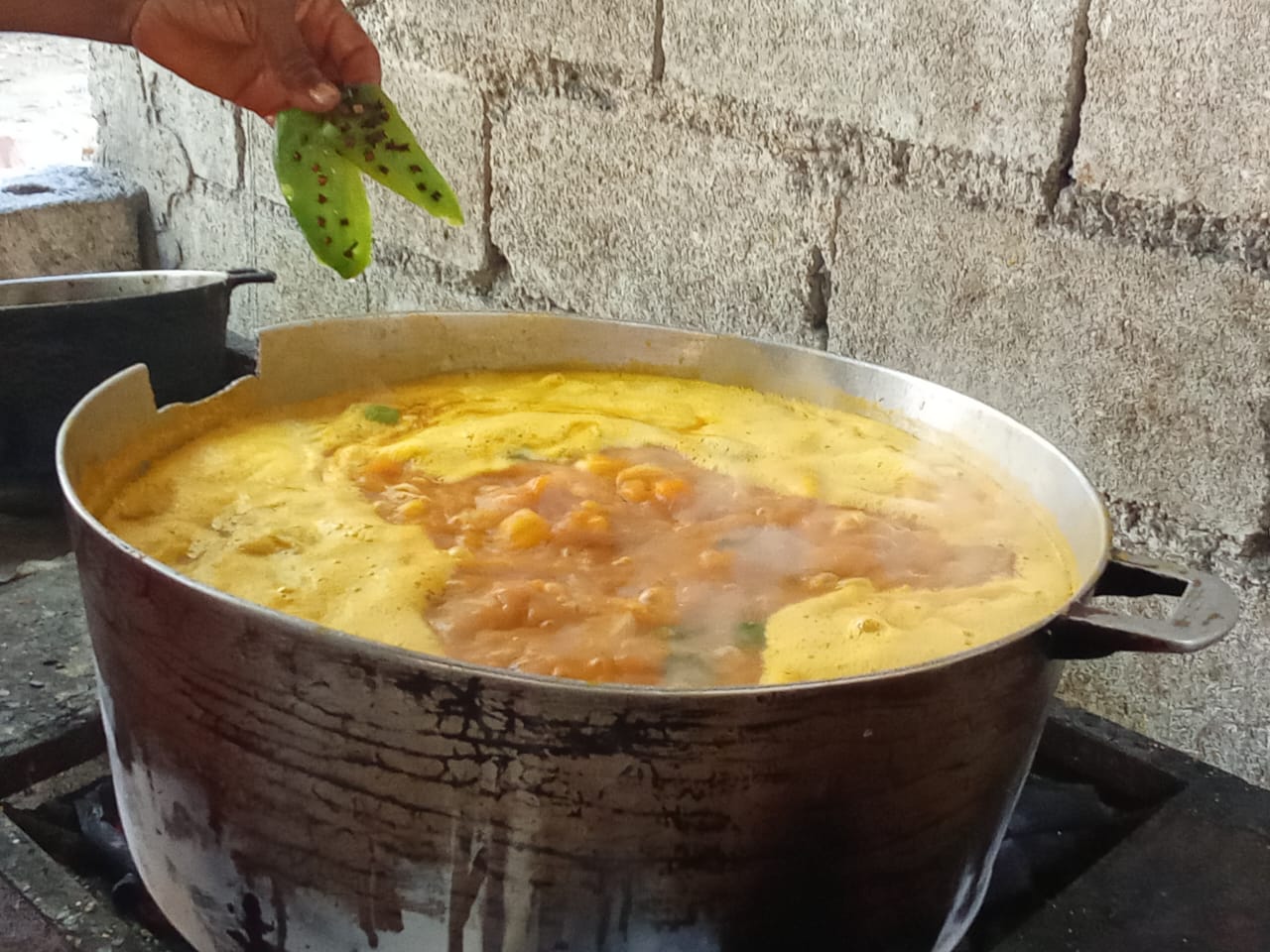
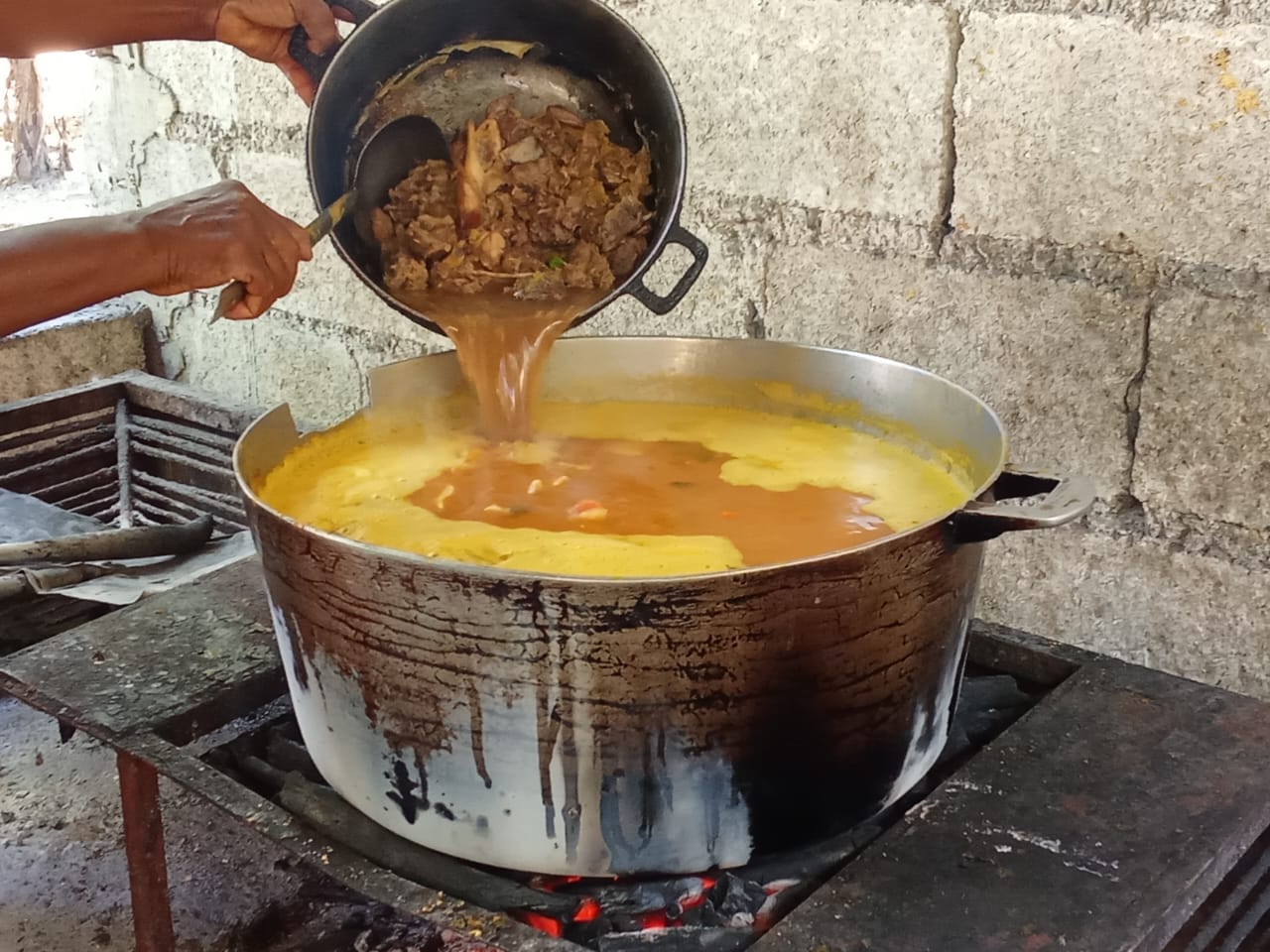
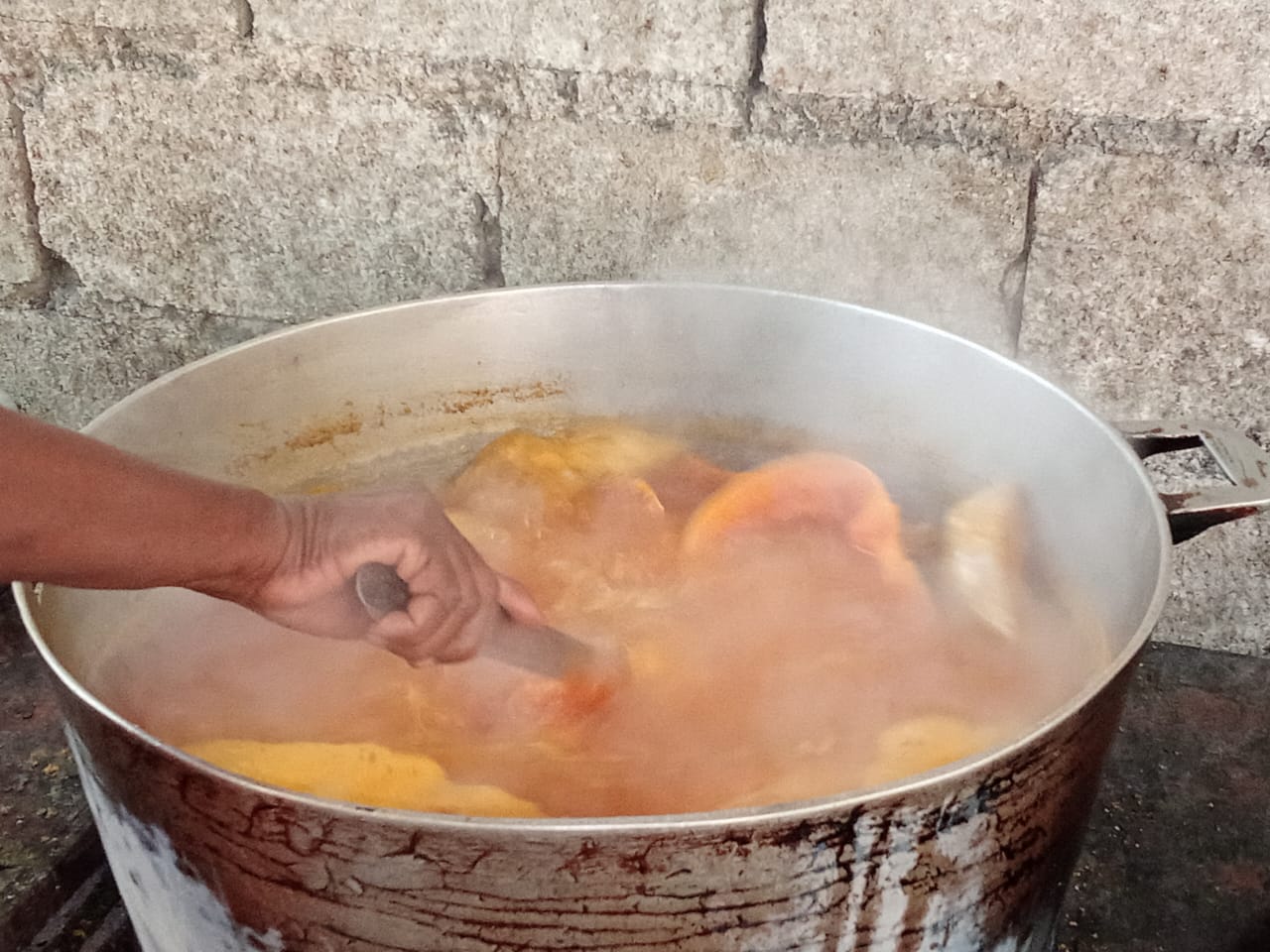
Soup nourishes the body—but in Haiti, Soup Joumou also nourishes the soul.