

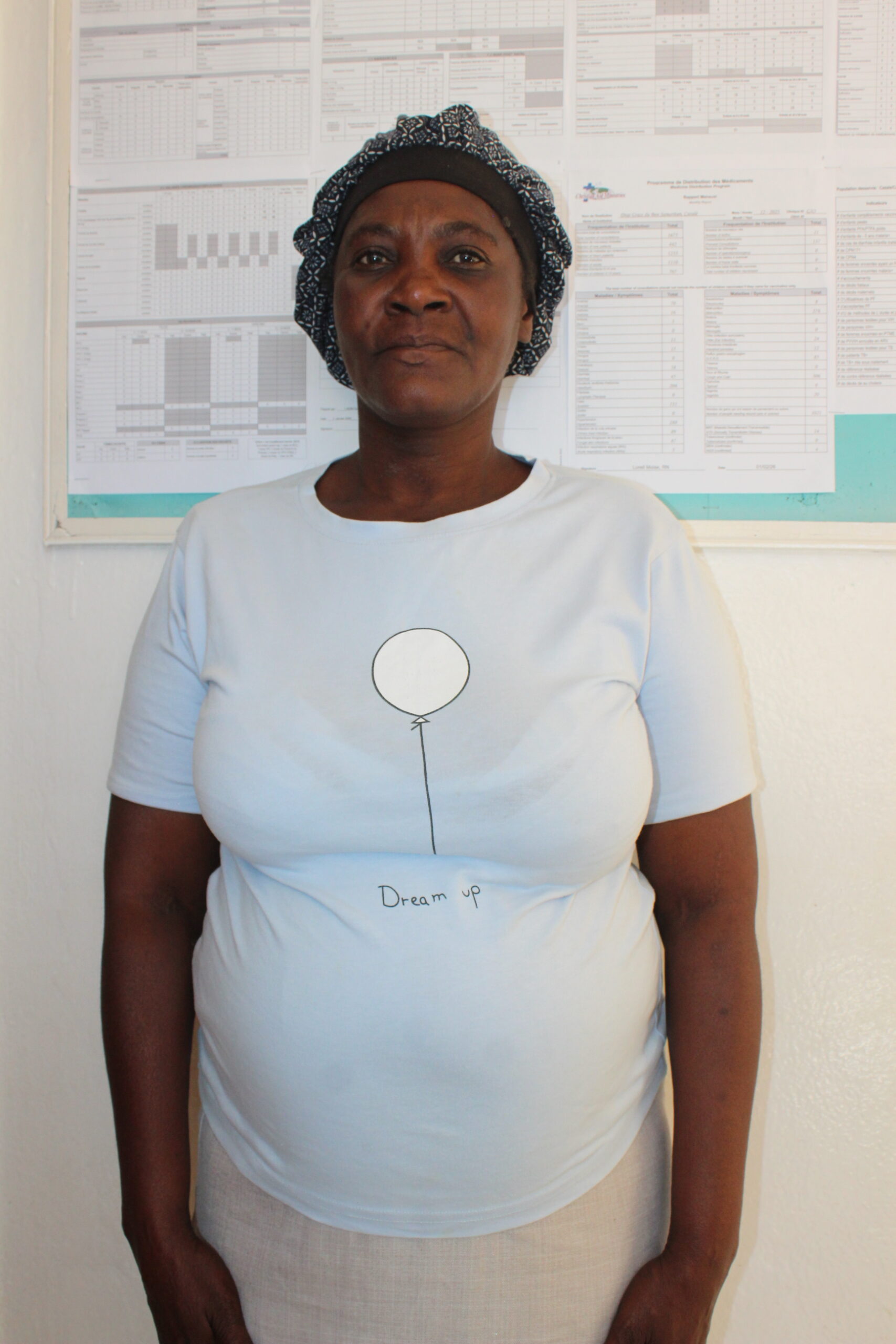
Colacile is a 52-year-old mother of five and a farmer who has been receiving care at our clinic for many years for chronic high blood pressure. She lives in a remote community several hours away, making regular follow-up visits challenging. Despite the distance and the physical strain of travel, she has continued to come when she is able.
Traveling to the clinic is difficult. Transportation is limited, and when options are unavailable, Colacile often walks long distances on rough roads. Along with managing her health, she also cares for her family and works the land to provide food.
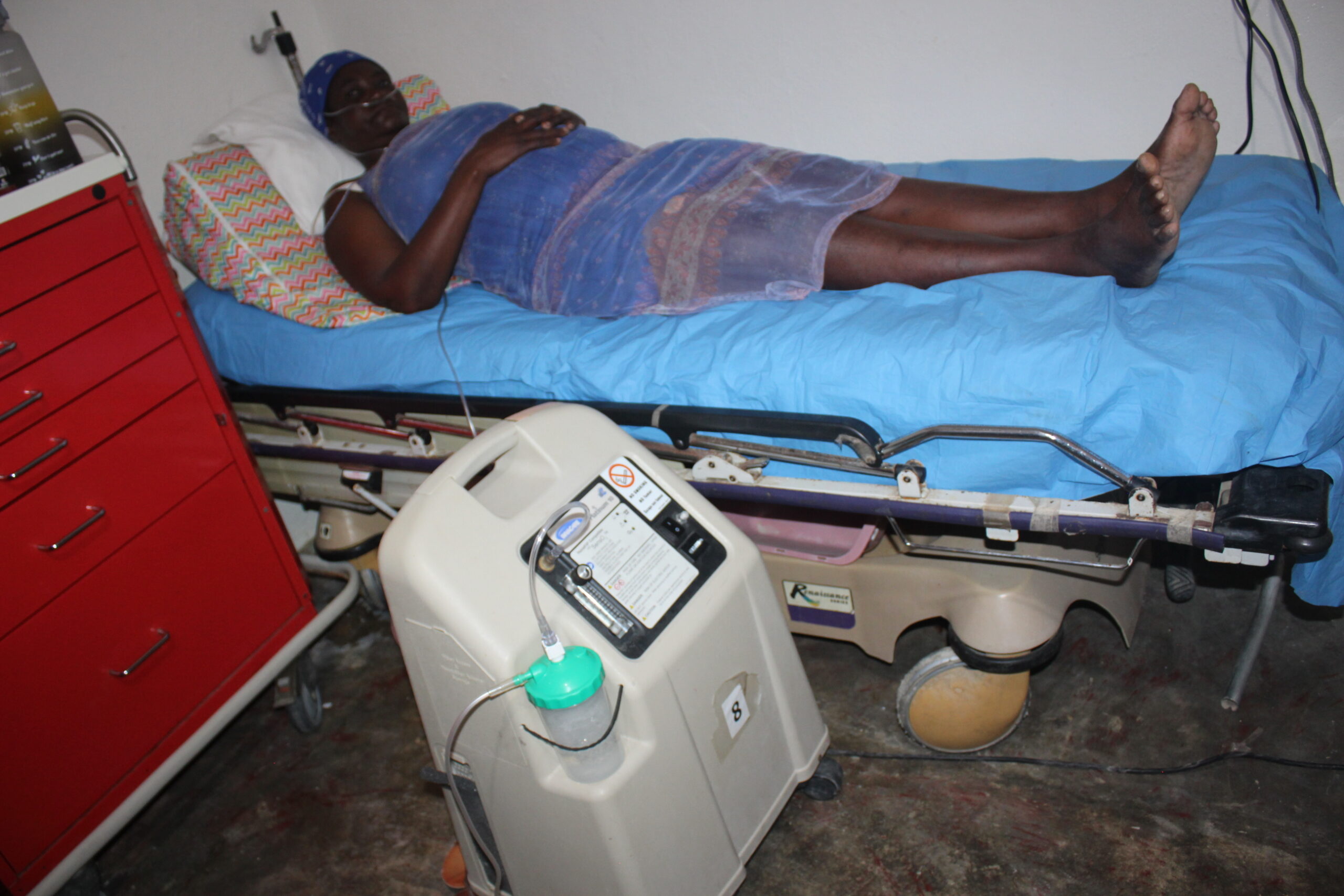
Recently, her condition worsened. She developed breathing difficulties and swelling in her stomach, and her medications at home were no longer effective. When her health declined rapidly, her family and neighbors carried her to the clinic using a wooden stretcher. Upon arrival, she was immediately placed on oxygen and received urgent care.
Her experience explains the challenges many patients face in accessing timely medical care in remote areas. In Haiti, ongoing insecurity and gang activity have made travel even more difficult for the sick and vulnerable. Roads that were once passable are now unsafe or blocked, transportation costs have increased, and families often fear traveling long distances, especially during times of unrest. For patients who already live hours away from health facilities, these conditions can cause dangerous delays in care. Many are forced to wait until symptoms become severe before attempting the journey. Despite these obstacles, families continue to seek help when they can. Thankfully, her story has a happy ending. She is stable and back home. Sadly, this isn’t the case for so many others.