

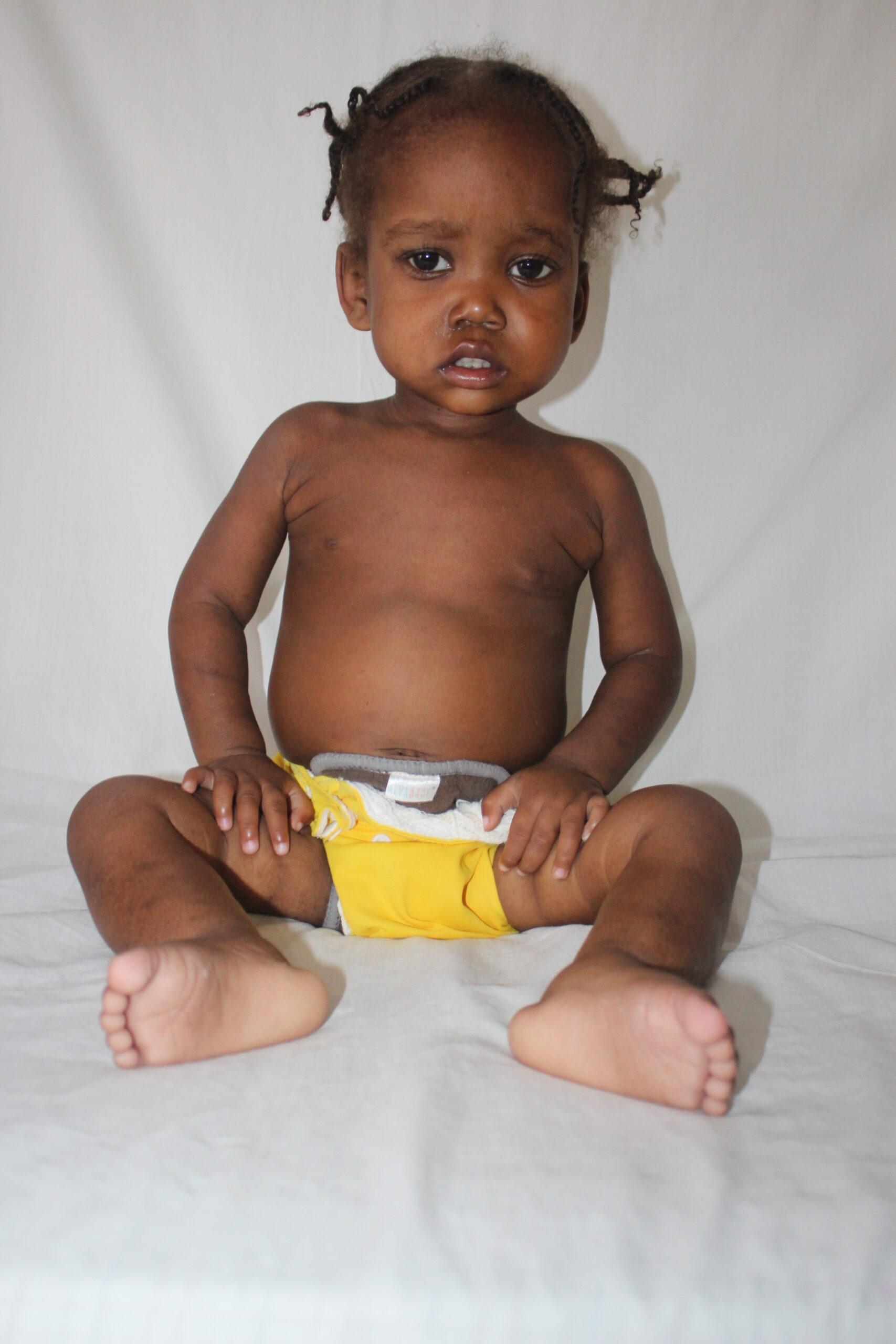
Kenia is 32 months old and was brought to the clinic after her family grew deeply concerned about her health. When she arrived, she weighed just 18.3 pounds. Kenia lives with her parents, three sisters, and two brothers in a small two-room home made of rocks with a tin roof. Her parents are farmers who grow beans and corn in their garden to support the family. Tragically, one of Kenia’s siblings previously died from diarrhea.
The family does not have running water or a flush toilet. They use an outhouse and walk about 30 minutes to collect water. On the day Kenia was admitted, she had not eaten anything, and the day before she had only some soup. Her family’s average monthly income is about $115 USD. Before coming to the clinic, they had not visited any other hospital or clinic and instead tried herbal teas, hoping they would help. To reach care, the family traveled nearly three hours by motorcycle taxi.
At the clinic, Kenia was found to be passing long white worms in her stool and had been suffering from kwashiorkor for about a month. She was immediately started on F-75 therapeutic milk to stabilize her condition and later transitioned to the Medika Mamba program to support her recovery. With proper nutrition and care, Kenia began the journey toward healing and renewed strength.
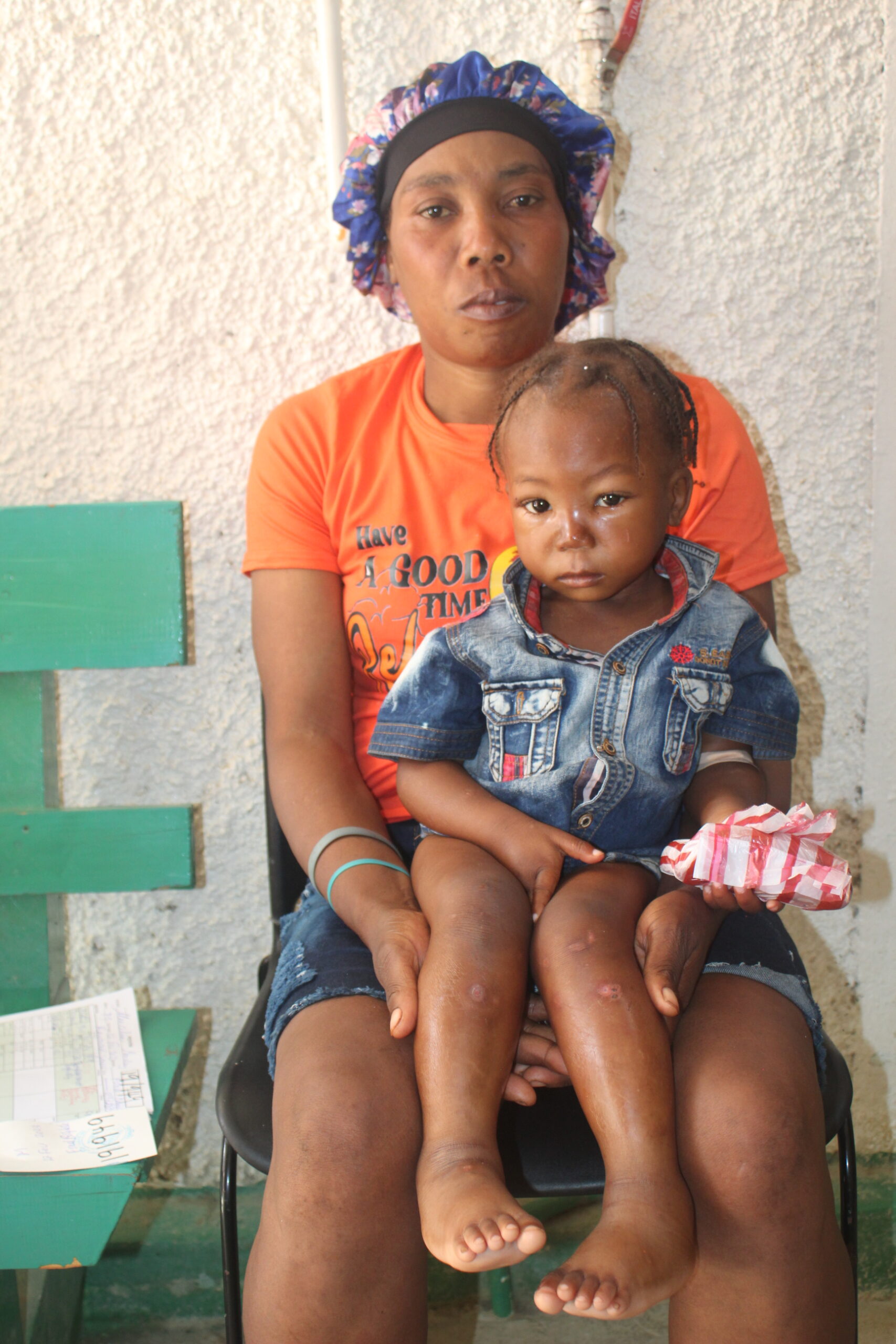
Monday is a 33-month-old boy who was referred to our clinic from another health facility due to severe kwashiorkor. When he arrived, he weighed 21 pounds and had been showing signs of malnutrition for about 22 days. His family lives together in a small two-room home built from cinder blocks and covered with a tin roof. They are farmers who grow bananas, pumpkins, and beans to support their household.
Monday has two sisters and three brothers. Sadly, one sibling has passed away. The family does not have running water or a flush toilet but uses an outhouse. Each day, they walk about one hour to collect water for their home. Their average monthly income is approximately $57 USD.
On the day Monday was admitted, he had eaten a hotdog; the day before, he had some spaghetti. His condition was complicated by the presence of long worms, which were visible coming from his nose. Before coming to the clinic, his family sought help at a church, where a pastor gave him herbal teas to drink. To reach the clinic, Monday and his mother walked for six hours.
Monday was admitted with his mother and immediately started on F-75 therapeutic milk to stabilize his condition. Once he was stronger, he transitioned to the Medika Mamba program to support his nutritional recovery. With consistent care and proper nutrition, Monday began his path toward healing and improved health
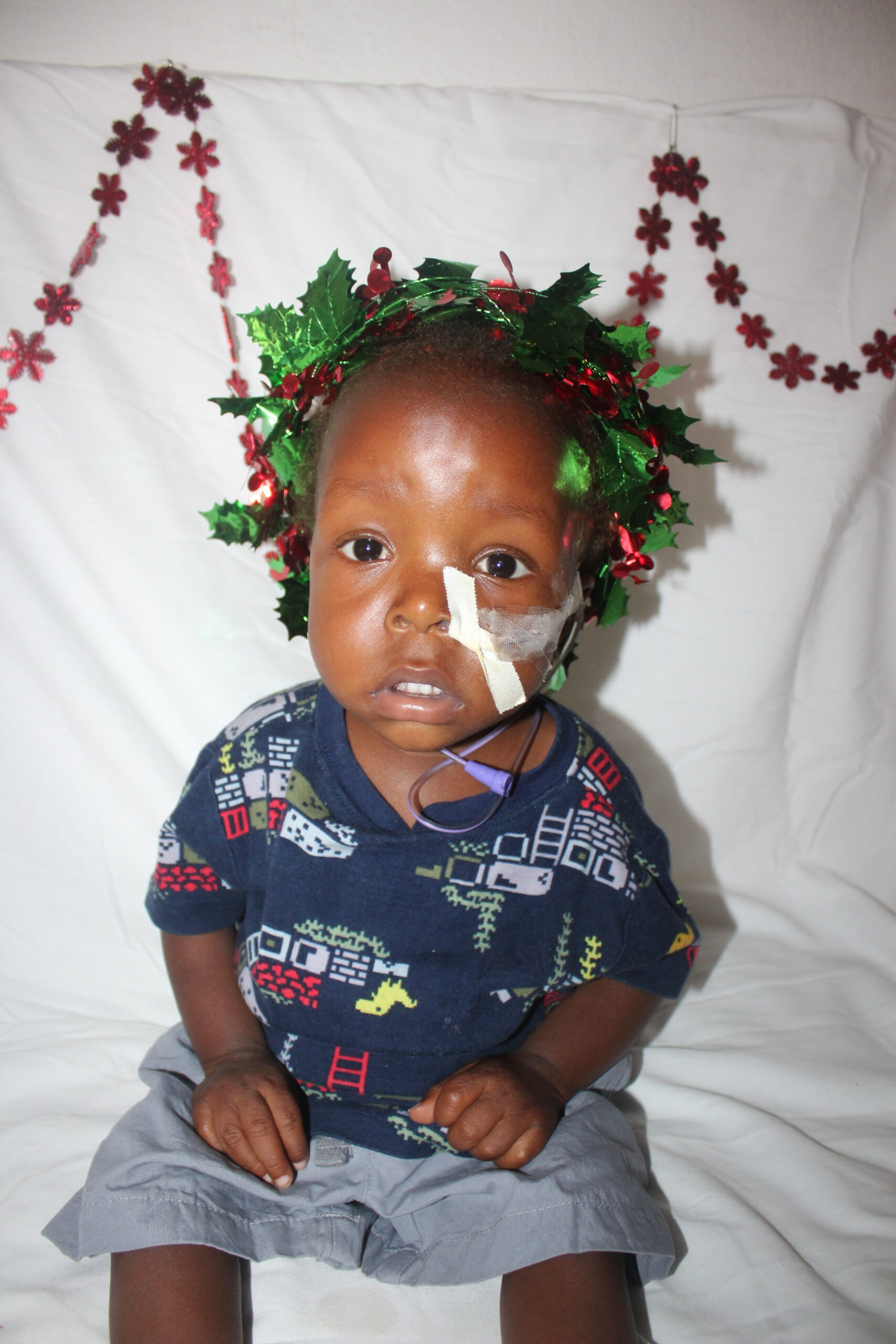
Shelson is a 17-month-old boy who was referred to our clinic from another health center due to serious concerns about his health. When he arrived, he weighed just 13 pounds. He lives with his parents, two sisters, and two brothers in a small two-room home made of rocks and clay, covered with a tin roof. His family are farmers who grow beans, corn, and pumpkins to survive. Tragically, they have already lost three children, making Shelson’s illness especially frightening for his parents.
The family does not have running water or an outhouse. They collect water from a nearby source. On the day Shelson was admitted, he had eaten only some cookies and a salty pastry. The day before, his food consisted of crackers and a plate of rice. The family’s average monthly income is just $28 USD.
To reach the clinic, Shelson and his mother traveled nearly 10 hours by foot and motorcycle taxi. His mother remained with him throughout his care. Upon admission, Shelson was started on F-75 therapeutic milkto stabilize his condition and later transitioned to the Medika Mamba program. With consistent nutrition and medical support, Shelson began his journey toward recovery and renewed strength.
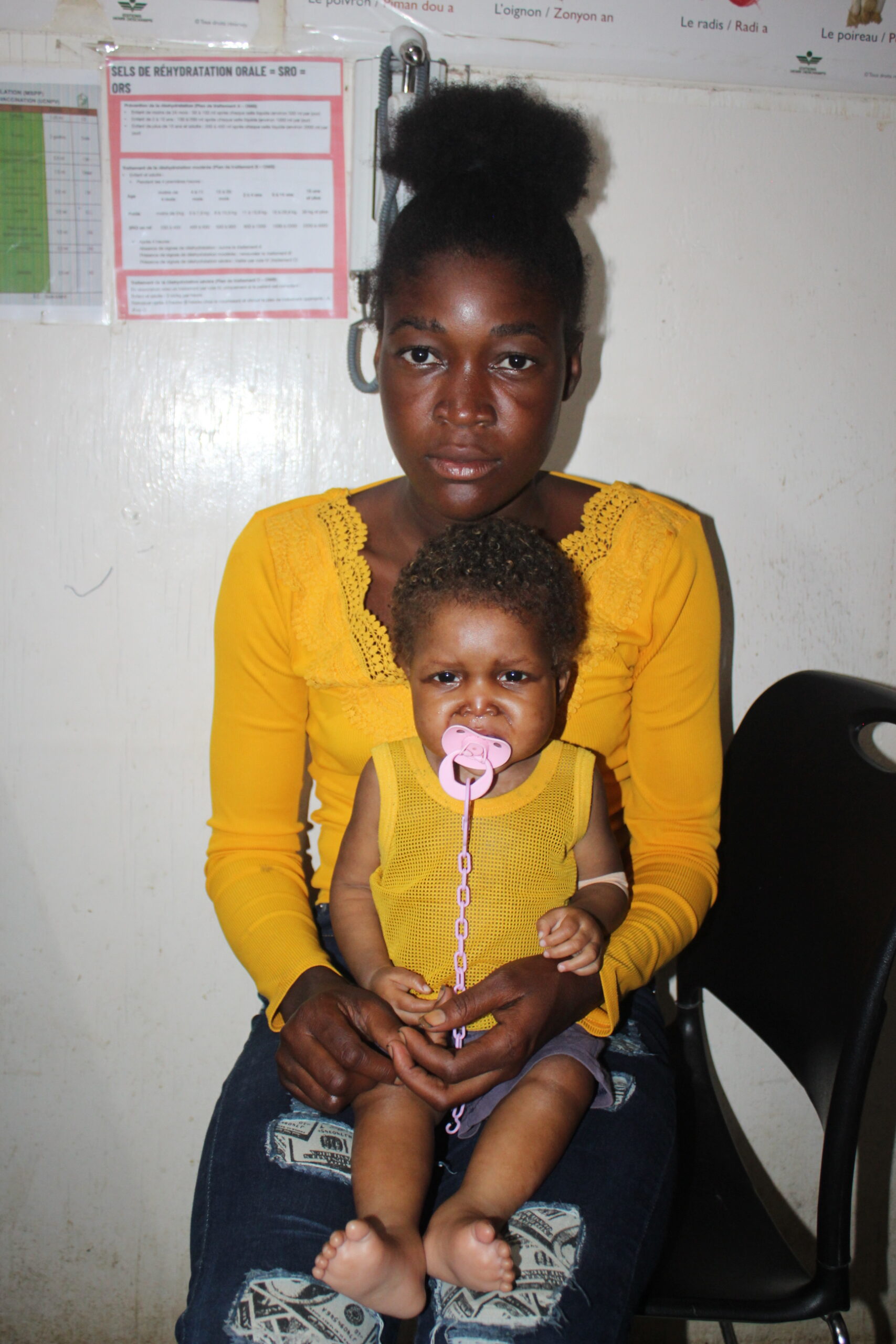
Rose Milove is a 13-month-old baby girl who was brought to the clinic after her family became concerned about her health. When she arrived, she weighed just 12 pounds. Rose is her mother’s only child. For several months, she was not breastfed because her mother had been ill. Now that her mother’s health is improving, our team is working closely with her to safely reintroduce breastfeeding alongside nutritional support.
Rose Milove and her mother live in a small two-room home made of tin and sticks. Her mother tends a small garden where she grows beans, corn, and rice to support the household. They do not have running water at home but do have an outhouse, and they must travel about one hour to reach their nearest water source. The family’s average monthly income is approximately $117 USD.
Rose had been coughing for about a week and had signs of kwashiorkor for several days. This is her second time experiencing kwashiorkor. On the day she arrived at the clinic, she had eaten some soup; the day before, she had nothing to eat.
Upon admission, Rose was started on F-75 therapeutic milk to stabilize her condition and was later transitioned to the Medika Mamba program to support her recovery and growth.
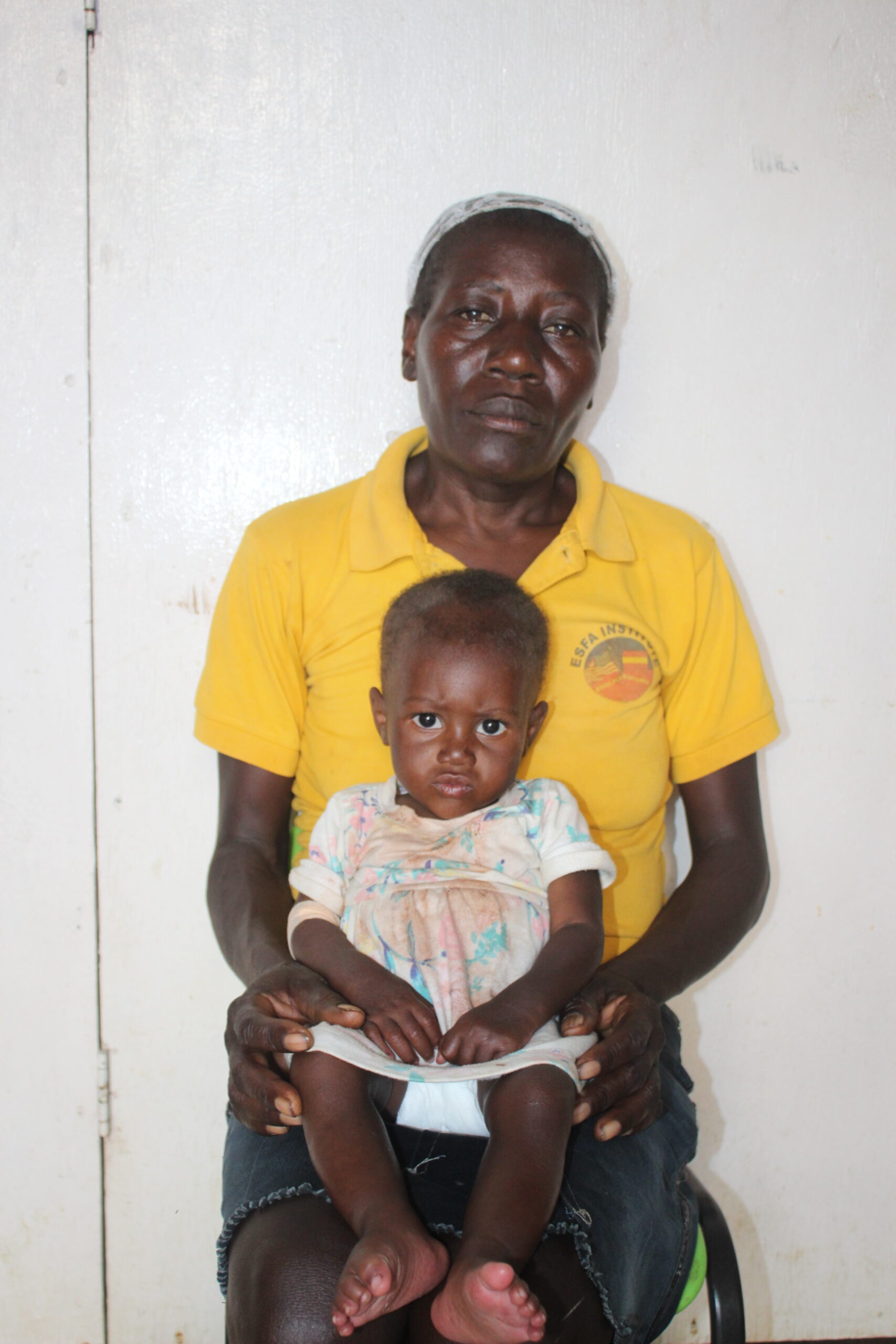
Nayou is a 14-month-old baby girl who has been admitted to our clinic for the second time due to severe malnutrition. When she arrived, she weighed just 14 pounds and was extremely weak, showing signs of kwashiorkor with 2+ edema, along with symptoms of a recent cold and fever. Her condition required immediate medical and nutritional care.
Nayou’s mother passed away from illness when she was only six weeks old. Her father is still alive but is often away during the day working and cannot provide the constant care Nayou needs while recovering. She is his only child, and her grandmother has been her primary caregiver. The family are farmers who grow beans, corn, and millet. They live in a very simple home with no running water and no outhouse, and their nearest water source is a four-hour walk away. Their monthly income is about $23 USD.
At the clinic, Nayou was started on F-75 therapeutic milk to stabilize her condition and then transitioned to Medika Mamba.