

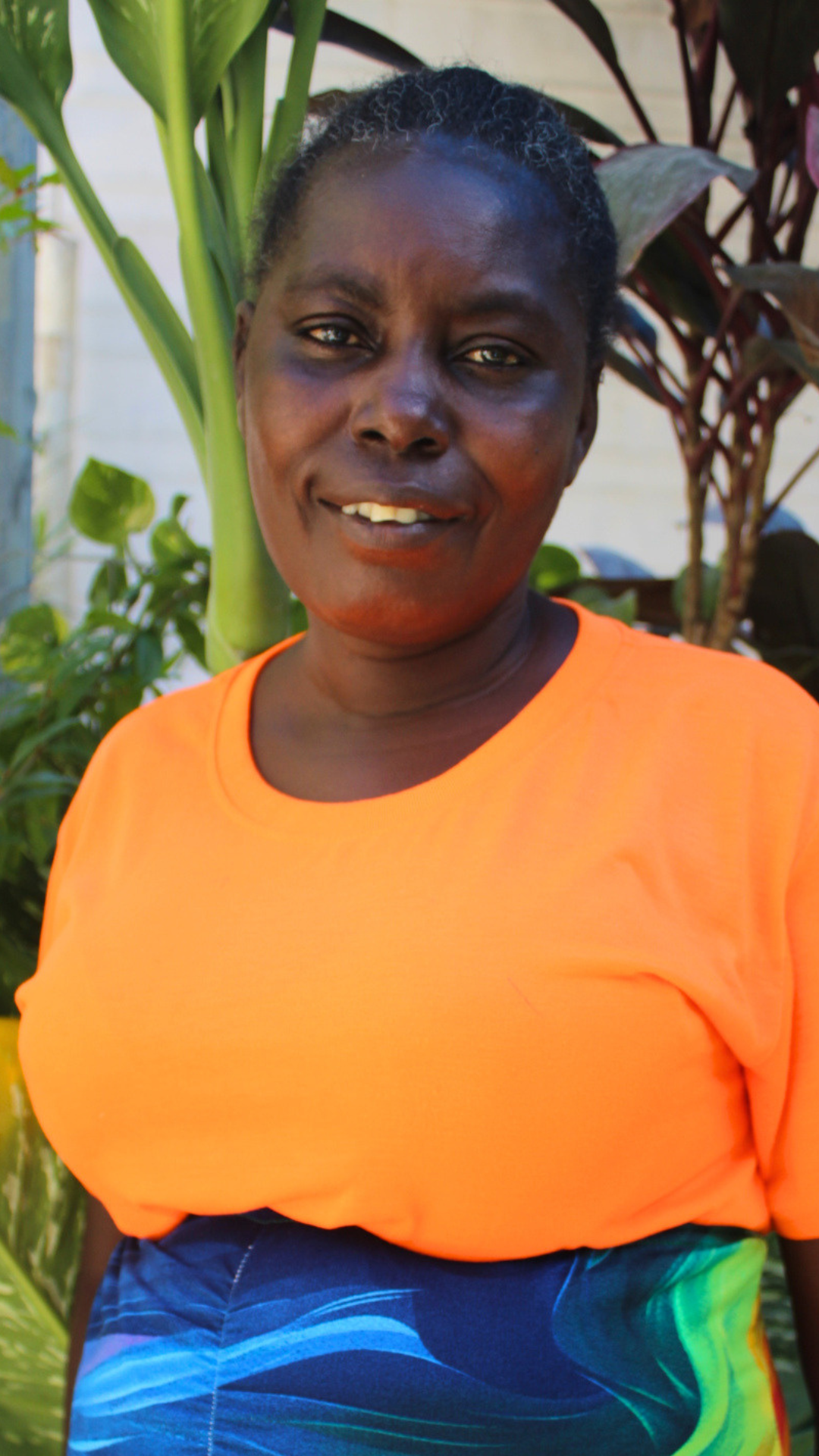
In many rural areas of Haiti, patients face a battle that goes far deeper than any physical illness. They’re fighting distance. Isolation. Hunger. Roads that seem designed to keep them from help. For someone already struggling with sickness, these obstacles can feel as threatening as the disease itself. May knows this battle well.
At 50 years old, May lives in a remote area a couple of hours from our clinic. She has no mother or father. No close family nearby. Years ago, she made the difficult decision to move to this isolated place to work the land and try to survive on her own. The work is backbreaking. The land is unforgiving. But it’s her only way to eat, her only way to continue living.
Over time, her body began to fail her.
First came the dizziness. Then severe headaches that wouldn’t stop. Exhaustion that made even simple tasks feel impossible. A constant discomfort that gnawed at her every waking moment. There were many nights when May lay alone in the darkness and believed she was going to die. Without family to comfort her, without anyone to hold her hand or encourage her, she spent those nights crying in fear.
Someone from her community eventually told her about our clinic. Hope flickered. Help existed somewhere. But knowing help was available didn’t make reaching it any easier.
To get to us, May has to travel nearly two hours on rough roads, under the scorching sun, over rocky and dusty paths that test every ounce of strength she has left. For someone already sick, already weak, that journey itself becomes another form of suffering.
When May finally arrived at our clinic, our team examined her carefully. The diagnosis came back: high blood pressure. It was treatable. She could feel better. But it would require medication and regular monitoring – appointments she would need to keep coming back for, month after month.
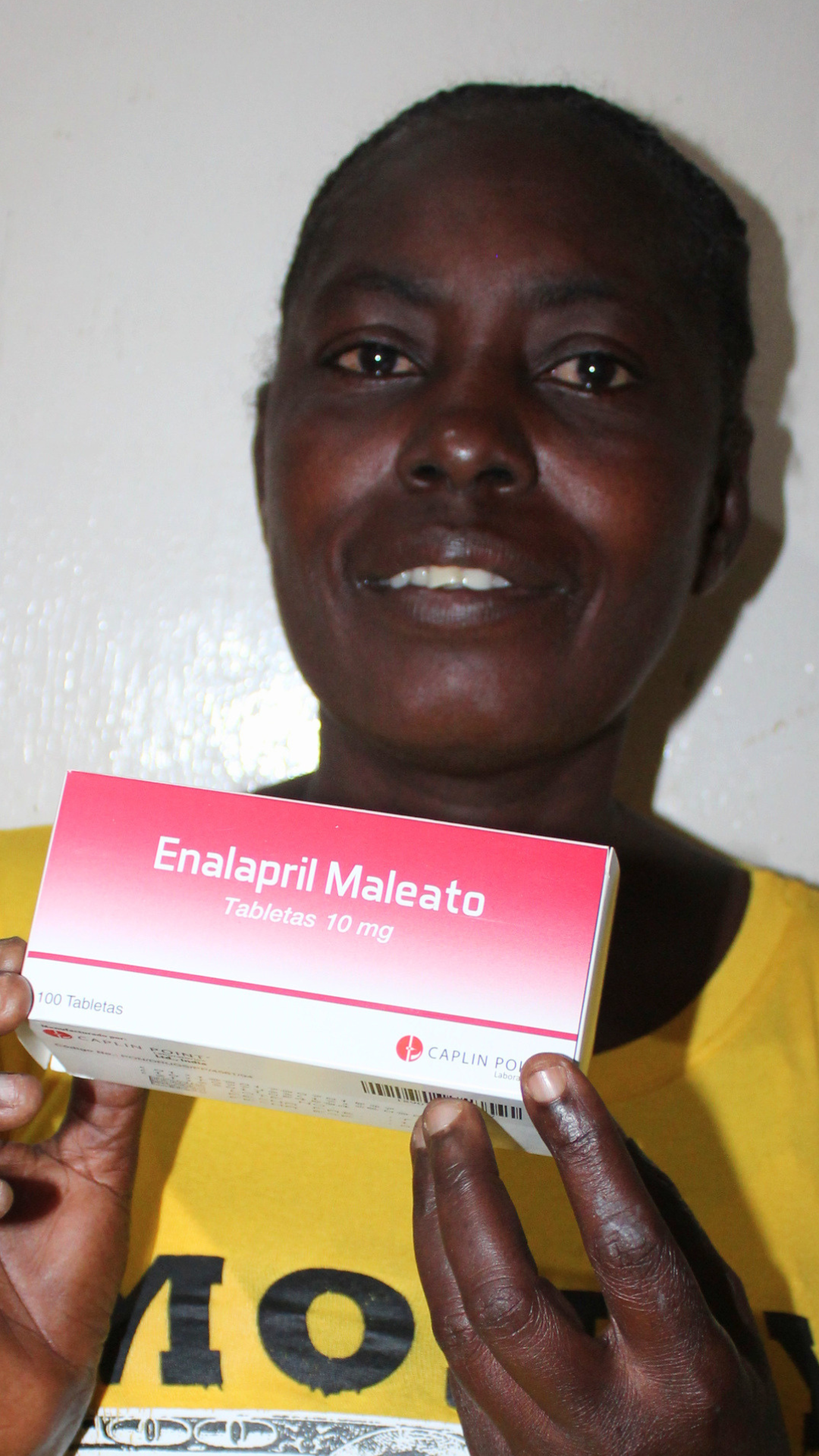
And that’s when May faced her next choice.
She explained to us that many times, she doesn’t have money for motorcycle transportation to her appointments. On those days, she wakes up before dawn, puts on her shoes, and walks for hours through to reach us. She makes these exhausting journeys because she understands something profound: missing her medication or her appointments could make everything worse. She could lose her health entirely.
So she walks.
May’s story is not an outlier. It’s the reality for so many patients we see. Even when treatment exists and even when we have the medicine and the knowledge to help, access to care remains a mountain that seems impossible to climb. For people like May, distance isn’t just geography. Poverty isn’t just lack of money. Isolation isn’t just loneliness. These things become woven into the illness itself, making recovery a battle on multiple fronts.
What May needs isn’t just medication. She needs support. She needs to know that her life has value, that her struggle matters, that someone sees her and cares about her survival.
As you read May’s story, we ask you to hold her in your prayers. Pray for her health and her strength – both physical and spiritual. Pray for the countless others like her living in remote areas, making impossible choices every day. And if you’re called to action, consider how you might help ensure that distance and poverty don’t become barriers to healing. When organizations and individuals choose to support clinics like ours, they’re not just providing services. They’re saying to people like May, “You matter. Your life matters. We see you and we’re going to help carry you through this.”