

Understanding Severe Malnutrition: Kwashiorkor and Marasmus
At our Nutrition Center, many of the children we care for are suffering from severe malnutrition. The two major clinical forms we see are kwashiorkor and marasmus. Both conditions are serious and require urgent medical attention, specialized nutrition, and close monitoring.
Malnutrition occurs when a child does not receive enough energy, protein, and other essential nutrients needed for healthy growth and development. It can be caused by food insecurity, limited access to nutritious foods, prolonged illness, or repeated infections. For many families, poverty and difficult living conditions make it extremely challenging to provide children with the nutrition they need to remain healthy.
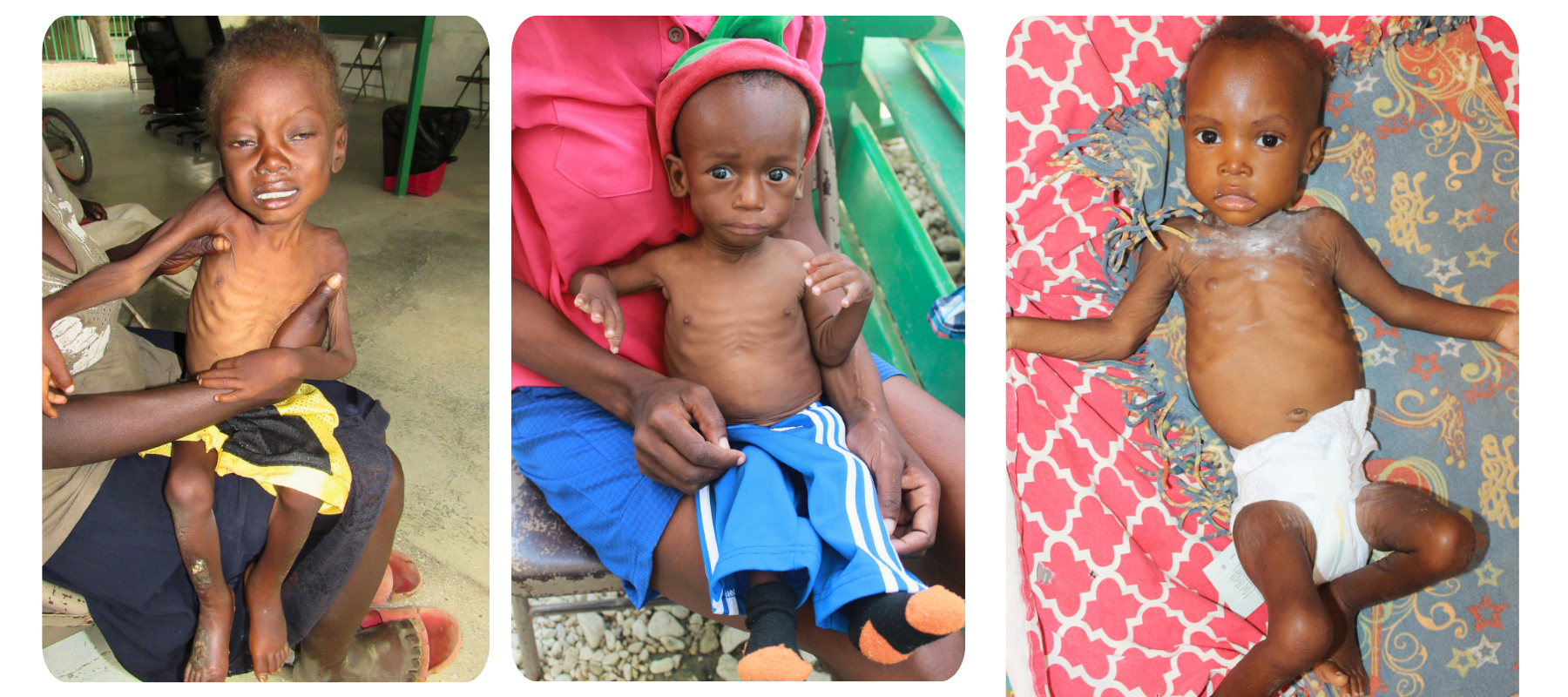
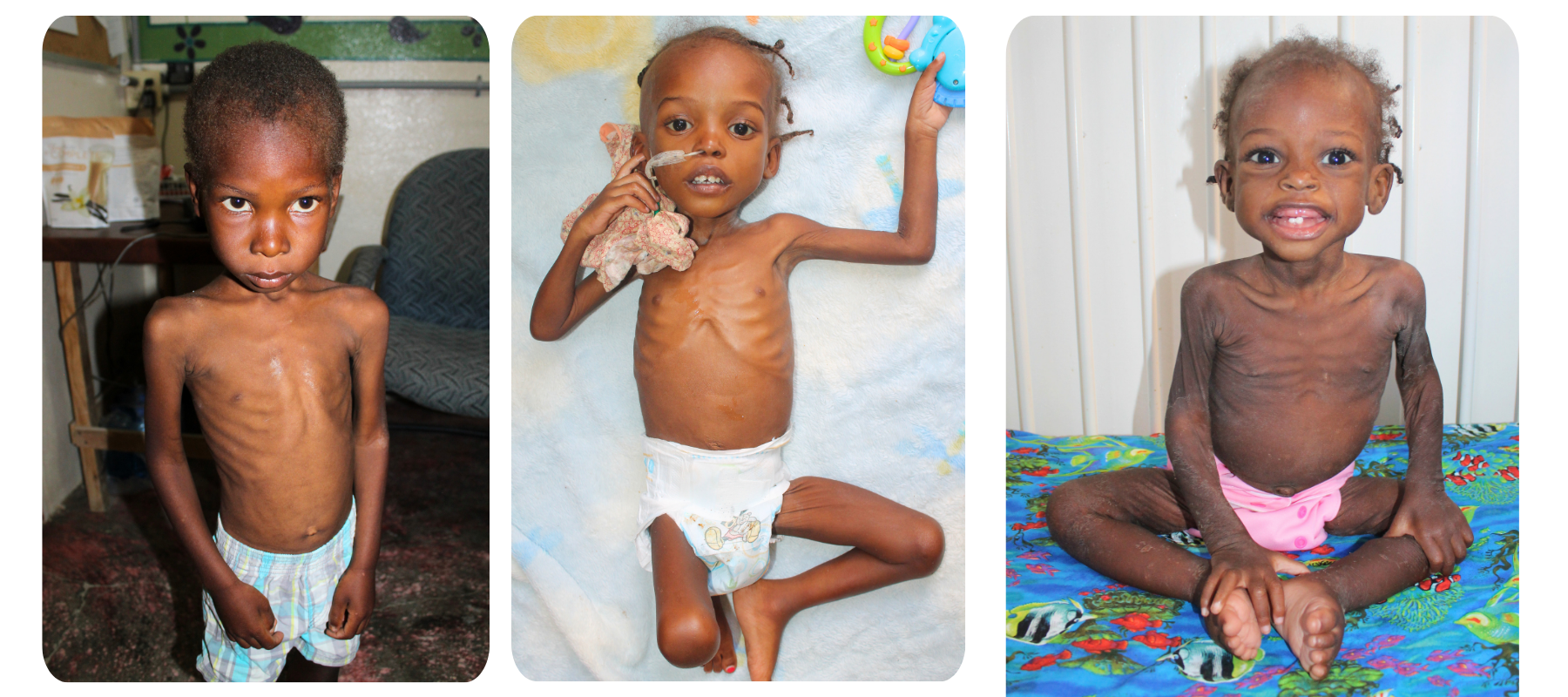
Children with marasmus are often extremely thin. Their arms and legs may become very small as they lose muscle and body fat. Their skin can become loose and wrinkled, sometimes making them appear much older than they really are. Although these children may be incredibly weak, they often have a strong appetite. When they see food, they may eagerly reach for it or cry because they want to eat. This appetite can be an important part of their recovery once treatment begins.
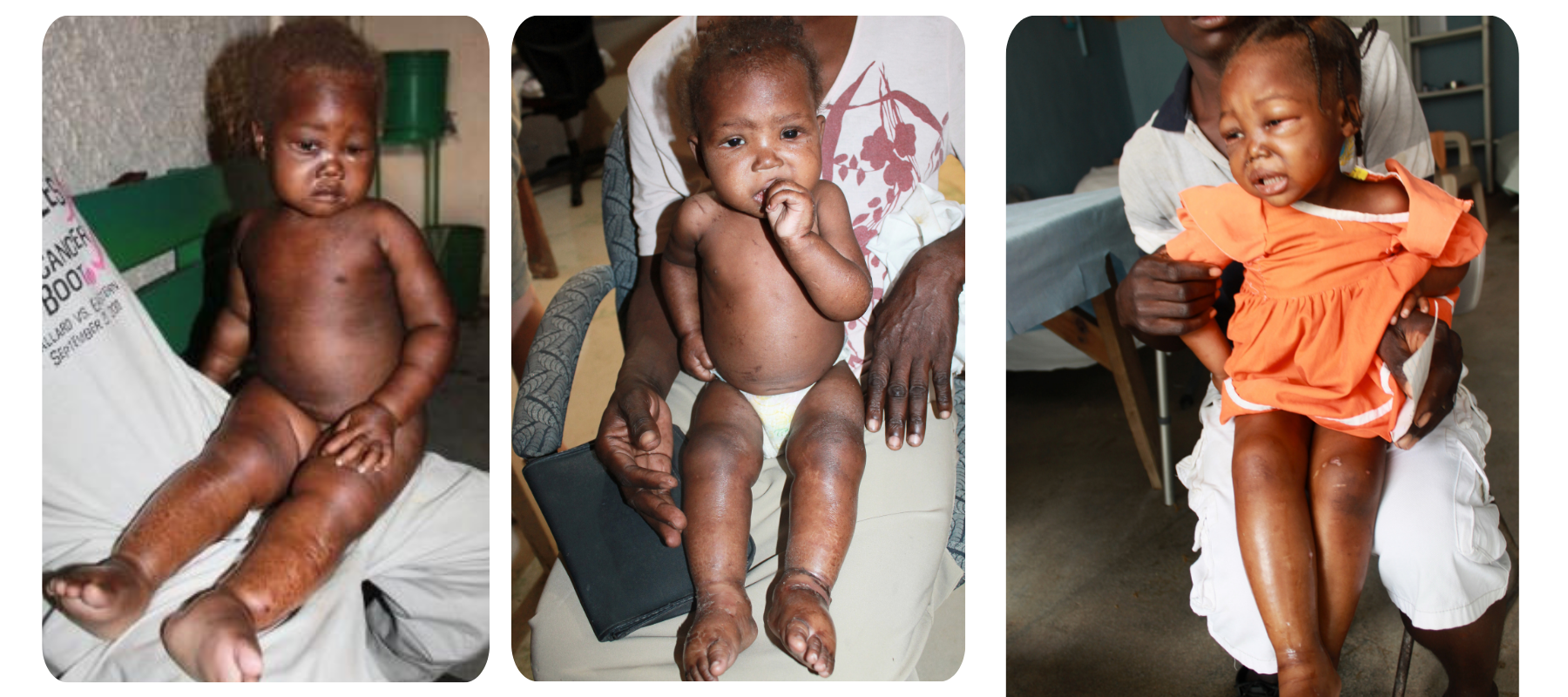
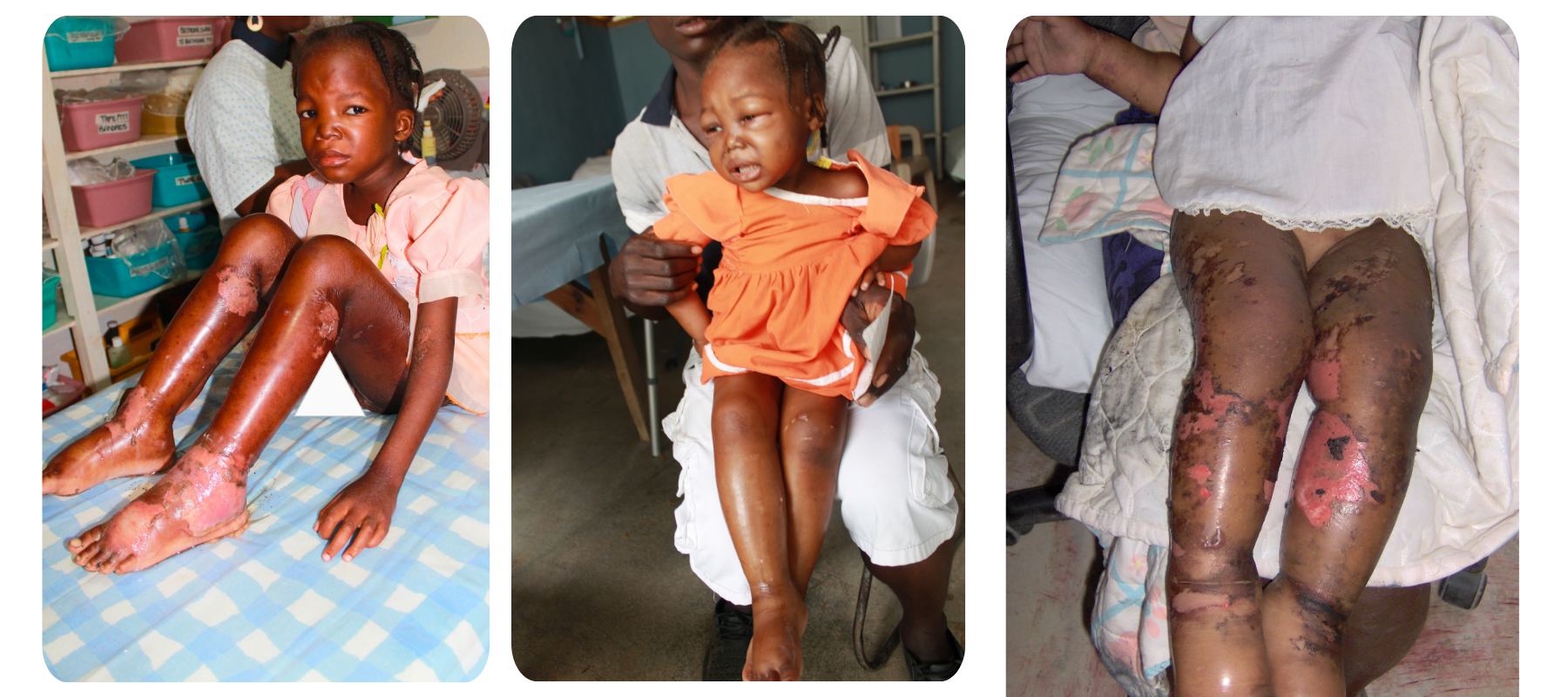
Kwashiorkor can look very different. Children with kwashiorkor may not appear thin because their bodies retain excess fluid, causing edema, or swelling. The swelling may affect the feet, hands, face, abdomen, or even the entire body. These children often have little or no appetite and may refuse food and liquids. They may be weak, irritable, or cry frequently. In severe cases, their skin may crack and ooze fluid, their hair may become thin or change color, and their eyes may become so swollen that they have difficulty opening them. Severe swelling can even make breathing difficult.
Kwashiorkor is the form of severe malnutrition we see most frequently at our Nutrition Center. Some children experience both conditions at the same time. A child may have a swollen abdomen caused by edema while having extremely thin arms and legs. This combination is a sign of very serious malnutrition.
Caring for children with severe malnutrition requires patience, specialized knowledge, and constant attention. Treatment often begins with therapeutic milk to help stabilize the child’s condition. As the child improves, treatment may progress to ready-to-use therapeutic foods such as Medika Mamba, which provides concentrated nutrition to help children regain weight and strength.
At the same time, medical teams must look for and treat infections, address dehydration or anemia when necessary, and carefully monitor the child’s response to treatment. Parents and caregivers also receive education about proper nutrition and feeding practices so they can continue supporting their child’s recovery after leaving the Nutrition Center.
Every child’s recovery is different. Some begin eating quickly, while others require feeding tubes and constant encouragement. Some regain their strength within weeks, while others need months of care.
But with timely medical treatment, therapeutic nutrition, careful monitoring, and the support of their families, many children who arrive extremely sick are able to recover. They can regain their strength, return home, and have the opportunity to grow and thrive.
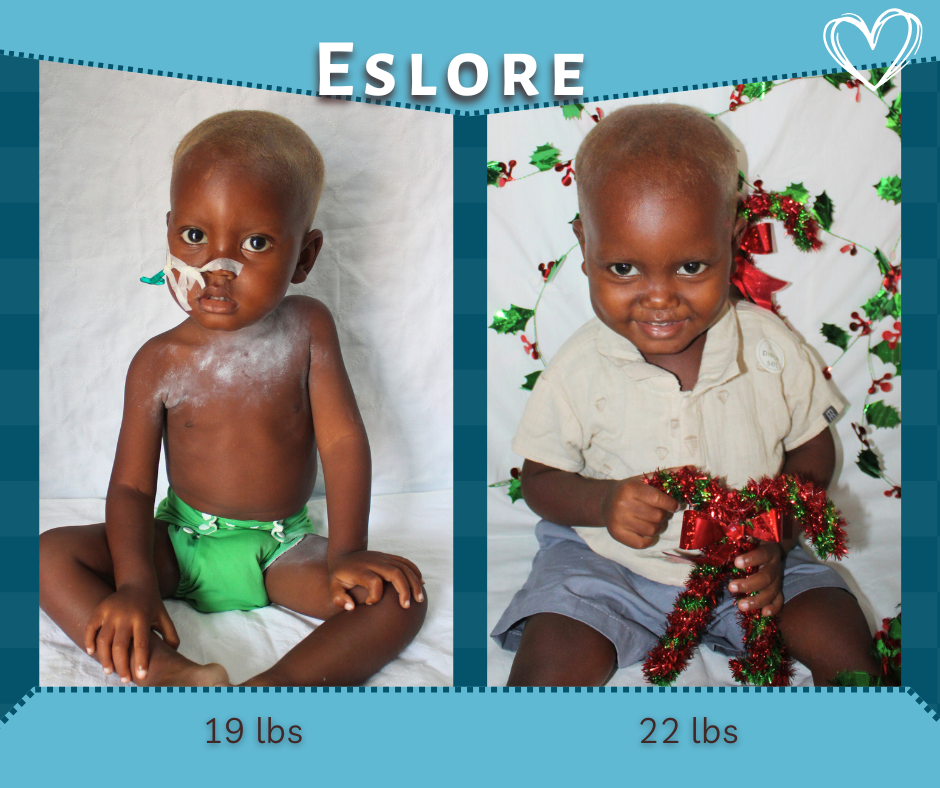
The children who come to our Nutrition Center are facing some of the most serious health challenges imaginable. But with the right care and support, recovery is possible. Each child who regains their appetite, begins to smile, gains weight, or takes their first steps toward health reminds us why this work matters so deeply.