

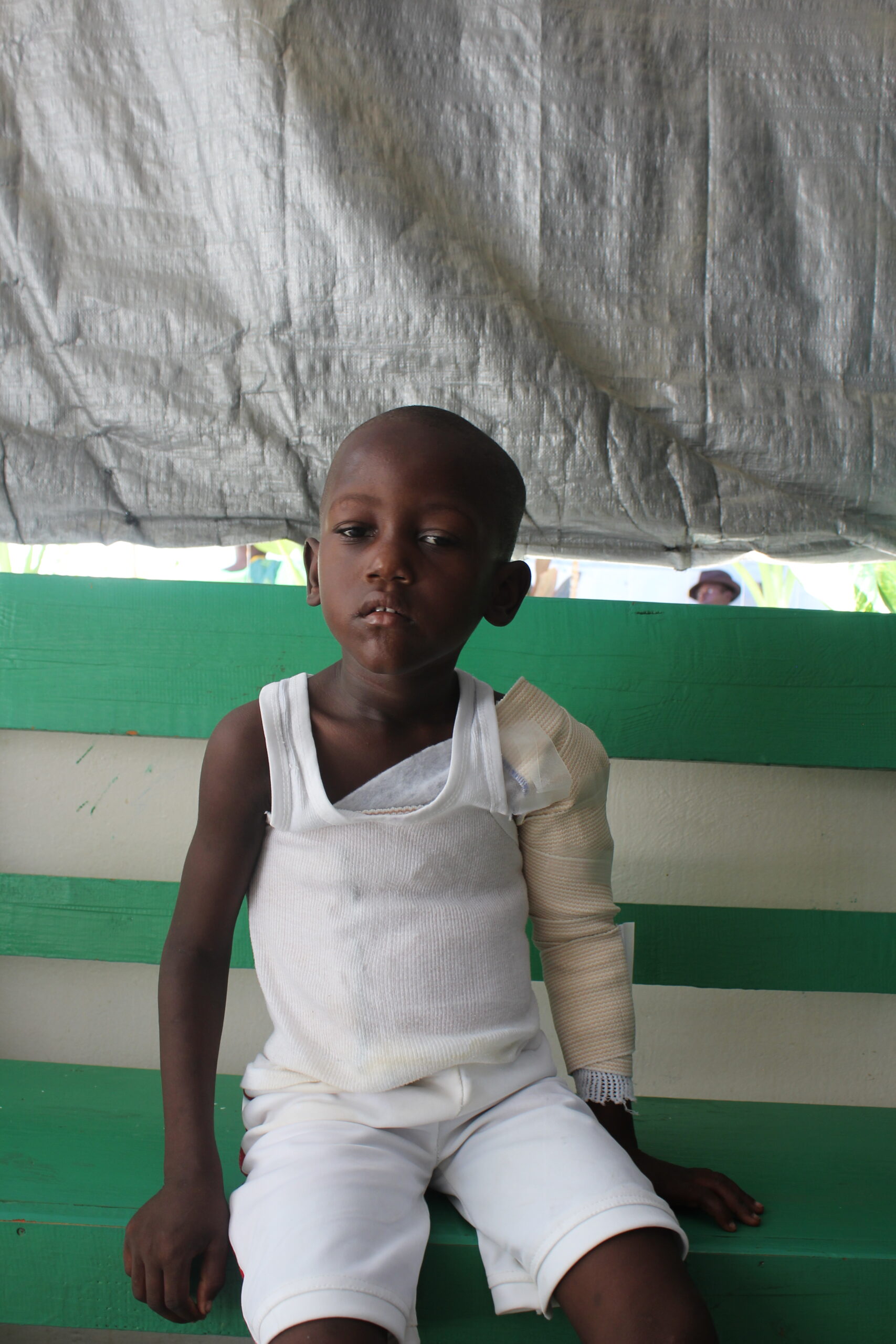
Wood, a young boy, was severely burned when hot water accidentally spilled onto him. Due to the distance from the clinic, his mother made the decision to stay with him so he could receive daily dressing changes and proper care for his injuries.
Wood’s weight-to-height ratio puts him at a -1 SD rating, signaling mild malnutrition. He lives with his mother, maternal grandmother, and his brother in a modest home made of cinder blocks with a tin roof. While their home lacks running water, they do have an outhouse and access to a nearby water source, which the family relies on for their daily needs. Tragically, Wood has lost one sibling, and now lives with his only living brother.
Before arriving at the clinic, Wood had eaten spaghetti on the day of his admission, and rice and beans the day prior. The family’s financial situation is tough, with an average monthly income of just $38, making it difficult for them to afford basic necessities.
They traveled 90 minutes by motorcycle to get Wood the help he needed. Despite these challenges, Wood’s mother remains at his side, ensuring he receives the care he needs as they work toward his recovery together.
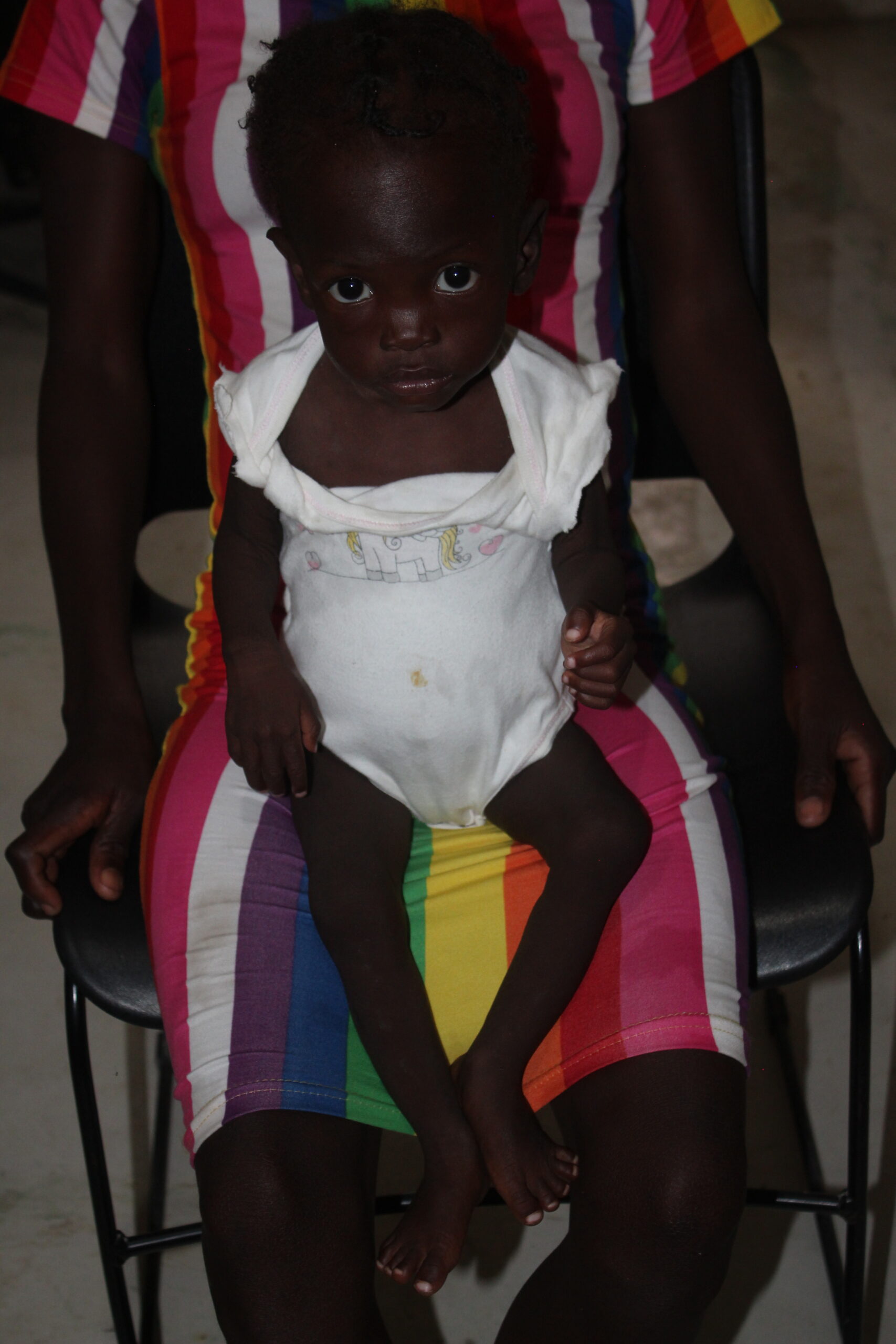
Meet Francesca, a 14-month-old girl whose family brought her to our clinic after five months of steadily losing weight. With a -4 SD rating for height-to-weight ratio, Francesca’s malnutrition was critical, and immediate care was essential for her survival. Francesca lives with her extended family—12 members in total—in a modest two-room home made of rocks and clay, covered by a tin roof. Their living conditions are difficult; they do not have running water or even an outhouse. The family must walk an hour to reach their nearest water source, making basic sanitation and hydration a daily struggle. The day Francesca was admitted, she had only consumed a little milk, and the same the day before. With a family income averaging just $40 a month, ensuring proper nutrition has been a challenge. Her journey to our clinic was long and —her family traveled for four hours by motorcycle to reach us. Upon arrival, Francesca was immediately started on F-75 therapeutic milk to stabilize her, and once she showed signs of improvement, she transitioned to the Medika Mamba program, a nutrient-dense therapeutic food designed for malnourished children.
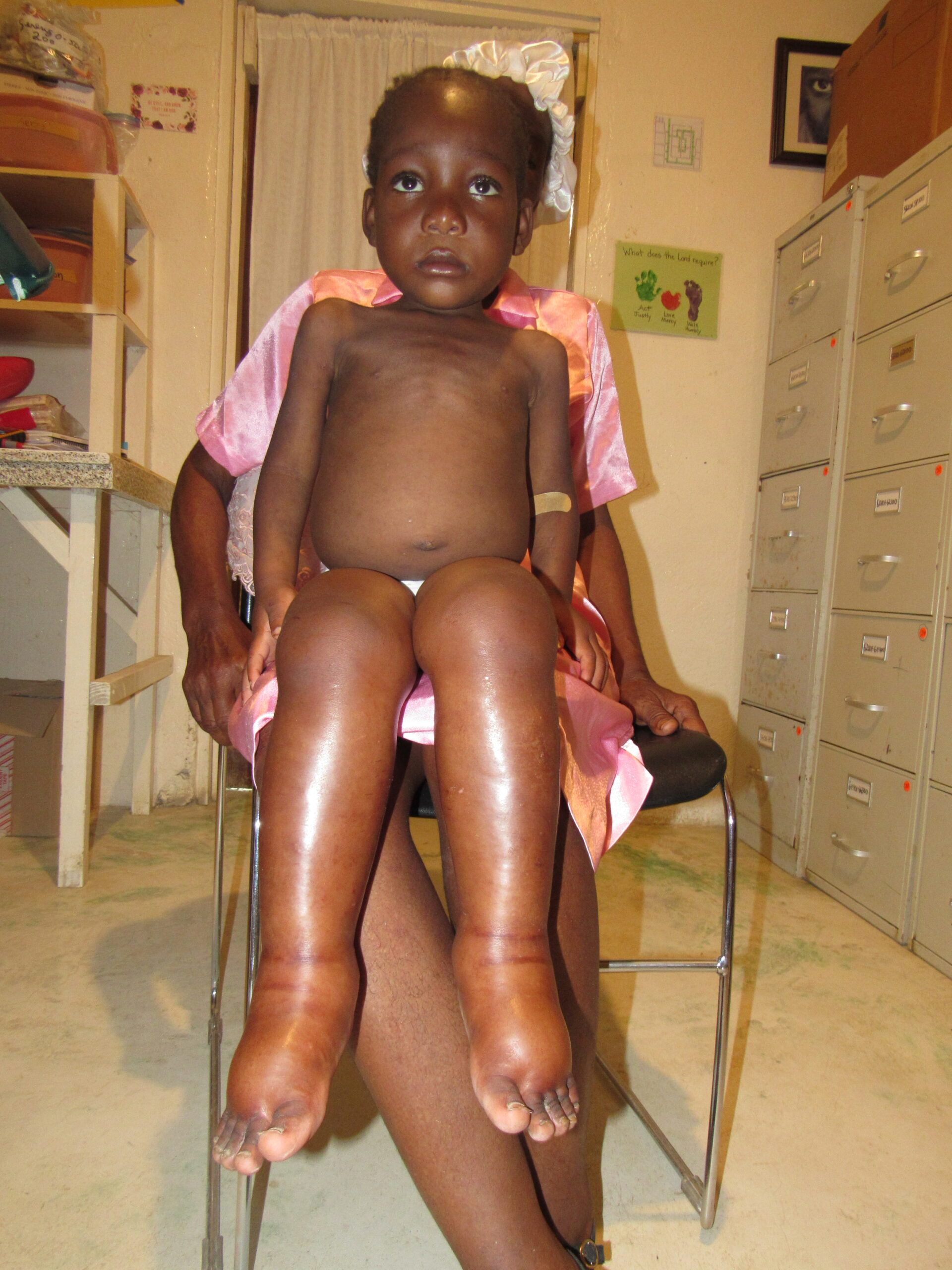
Liveline, a 5-year-old girl, was referred to us from another clinic, suffering from 3+ degree edema caused by kwashiorkor, a severe form of malnutrition. In addition to the swelling, she had been experiencing vomiting and had steadily been losing weight for months before the edema developed. Her condition was critical, and she needed urgent care. Liveline’s family situation is difficult. She lives with six family members, including her father and paternal grandmother, in a four-room home made of rocks and clay, with a tin roof. Their home lacks running water and an outhouse, and the nearest water source is a two-hour walk away. The day before she was admitted, Liveline had only eaten a small portion of rice and beans, and the day prior, she had soup. With her family’s average monthly income at just $36, ensuring proper nutrition and care has been a constant challenge. Liveline and her family traveled five long hours by motorcycle to reach our clinic. Upon arrival, we immediately started her on F-75 therapeutic milk to help stabilize her condition. As she showed signs of improvement, she transitioned to the Medika Mamba program, a specialized, nutrient-rich food designed for children suffering from severe malnutrition.
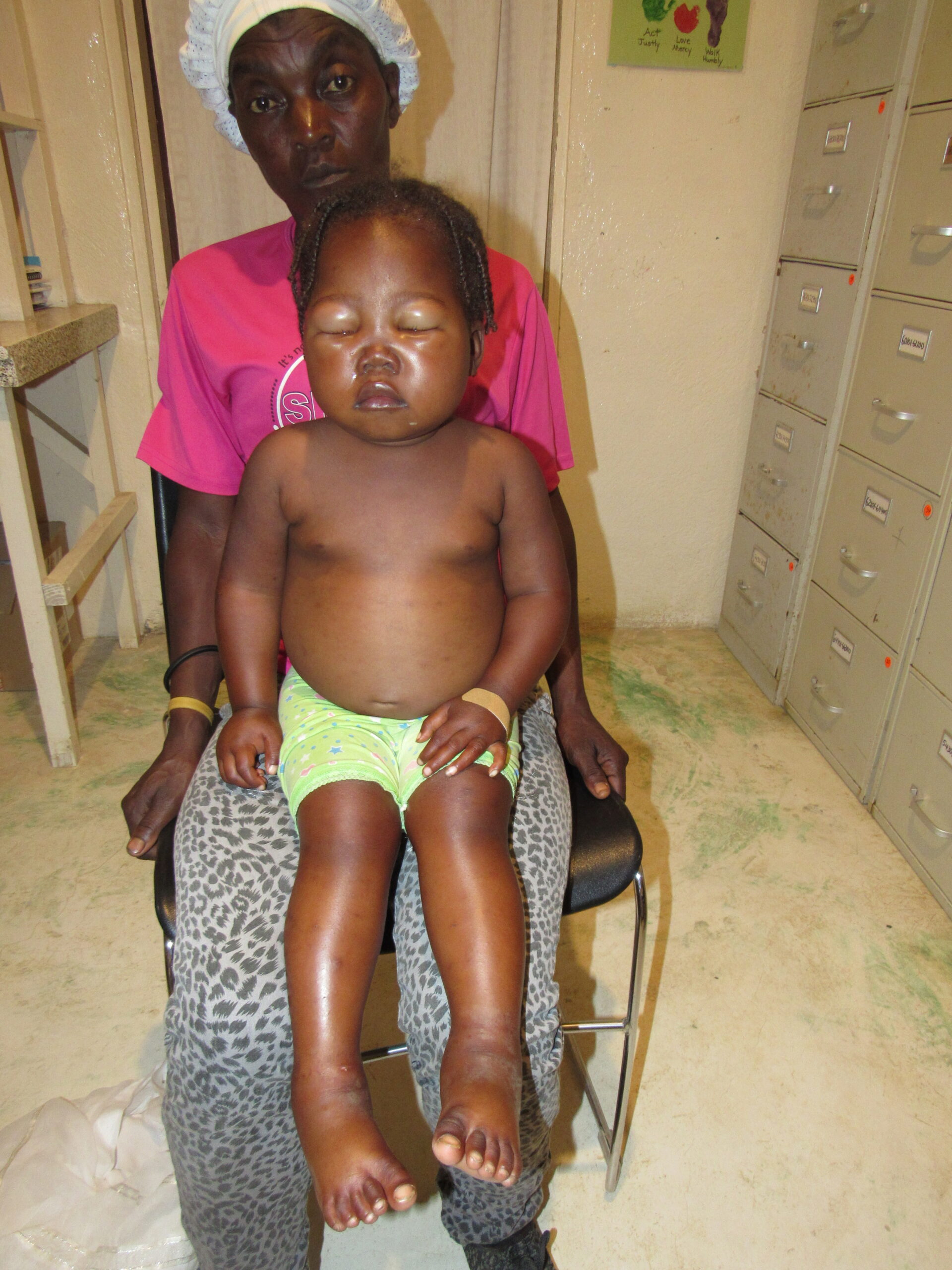
Lynda, a young girl, had been steadily losing weight for several months before developing severe edema due to malnutrition. Her condition placed her in the median SD range for height-to-weight ratio, but with her kwashiorkor she is considered severely malnourished. Lynda lives with her two brothers, parents, and siblings in a four-room home made of rocks and clay, with a tin roof. Lynda’s family works as farmers, growing corn, beans, and millet, which they sell at an open-air market. While they work hard to make a living, their circumstances are difficult. Their home lacks running water and an outhouse, and the nearest water source is a 1.5-hour walk away. The day before she was admitted to our clinic, Lynda had only eaten some crackers, and the day prior, she had soup. With a monthly income of just $76, it’s challenging for the family to ensure adequate nutrition. When Lynda’s condition worsened, her family made the difficult five-hour journey by motorcycle to bring her to our clinic. Upon her arrival, we immediately started her on F-75 therapeutic milk to stabilize her condition. As Lynda began to improve, she was transitioned to the Medika Mamba program, which provides nutrient-dense food specially designed to fight malnutrition.
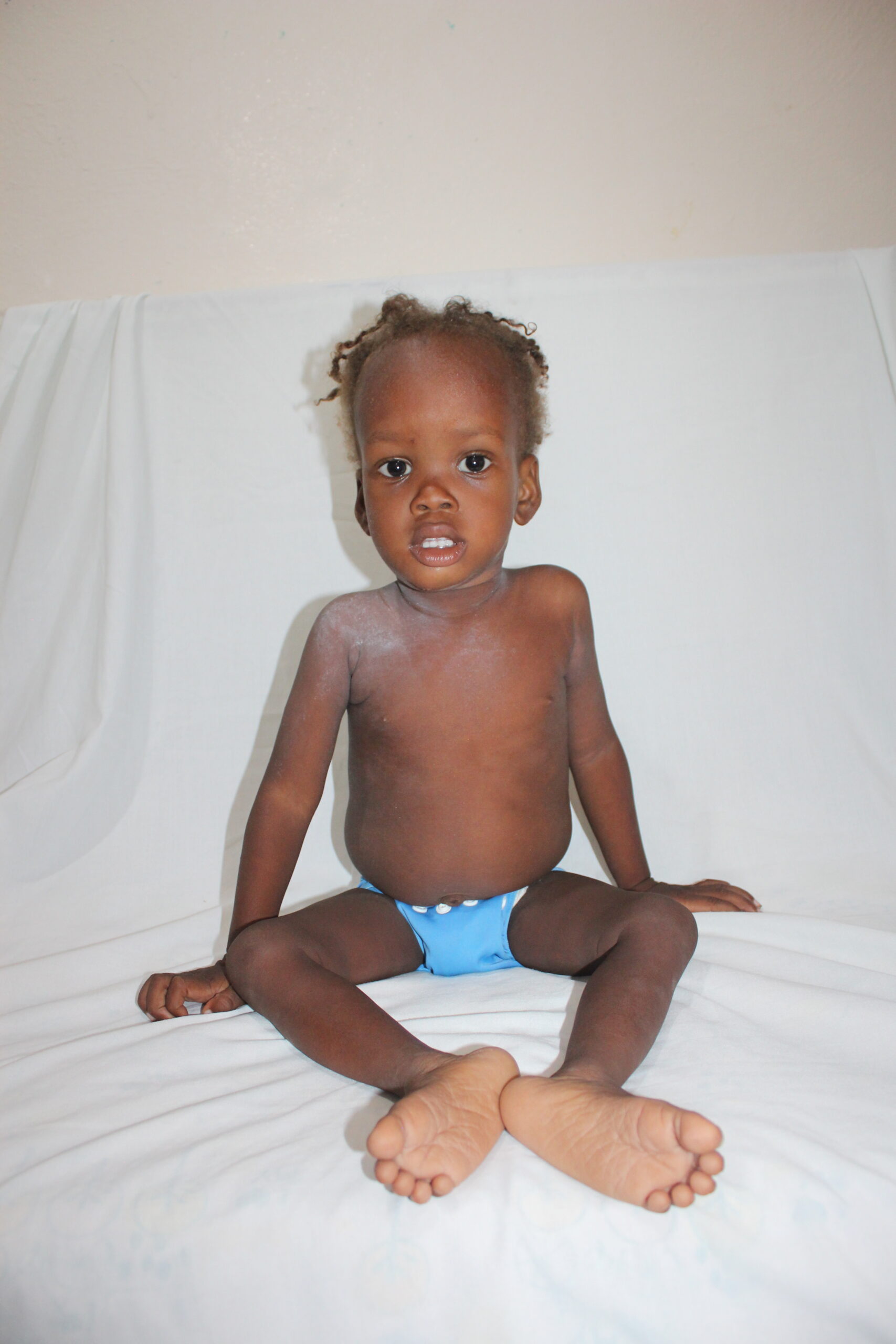
Valery, an 18-month-old girl, has faced health challenges for most of her young life. She has been losing weight for the past 12 months and was admitted to our clinic with an abscess under her chin, as well as a fever and cough. Her condition has placed her at a severe -4 SD rating for height-to-weight ratio, highlighting the extent of her malnutrition. Valery lives with her mother, two sisters, and two brothers in a small, one-room home made of bricks and clay with a tin roof. Her father is a farmer who grows corn, beans, and millet, which he sells at an open-air market. Her mother also contributes by purchasing goods in bulk and reselling them for a profit. Despite their efforts, the family struggles financially, with an average monthly income of $192 USD. While the family does not have running water at their home, they rely on a truck that delivers water a few times a week. They do have an outhouse, but access to clean water remains a challenge. The day Valery was admitted to the clinic, she had only eaten a pack of cookies, and the day before, she had bean sauce. After traveling an hour by motorcycle to reach the clinic, Valery was immediately started on F-75 therapeutic milk to stabilize her. As her condition improved, she transitioned to the Medika Mamba program, which is specially designed to address severe malnutrition.
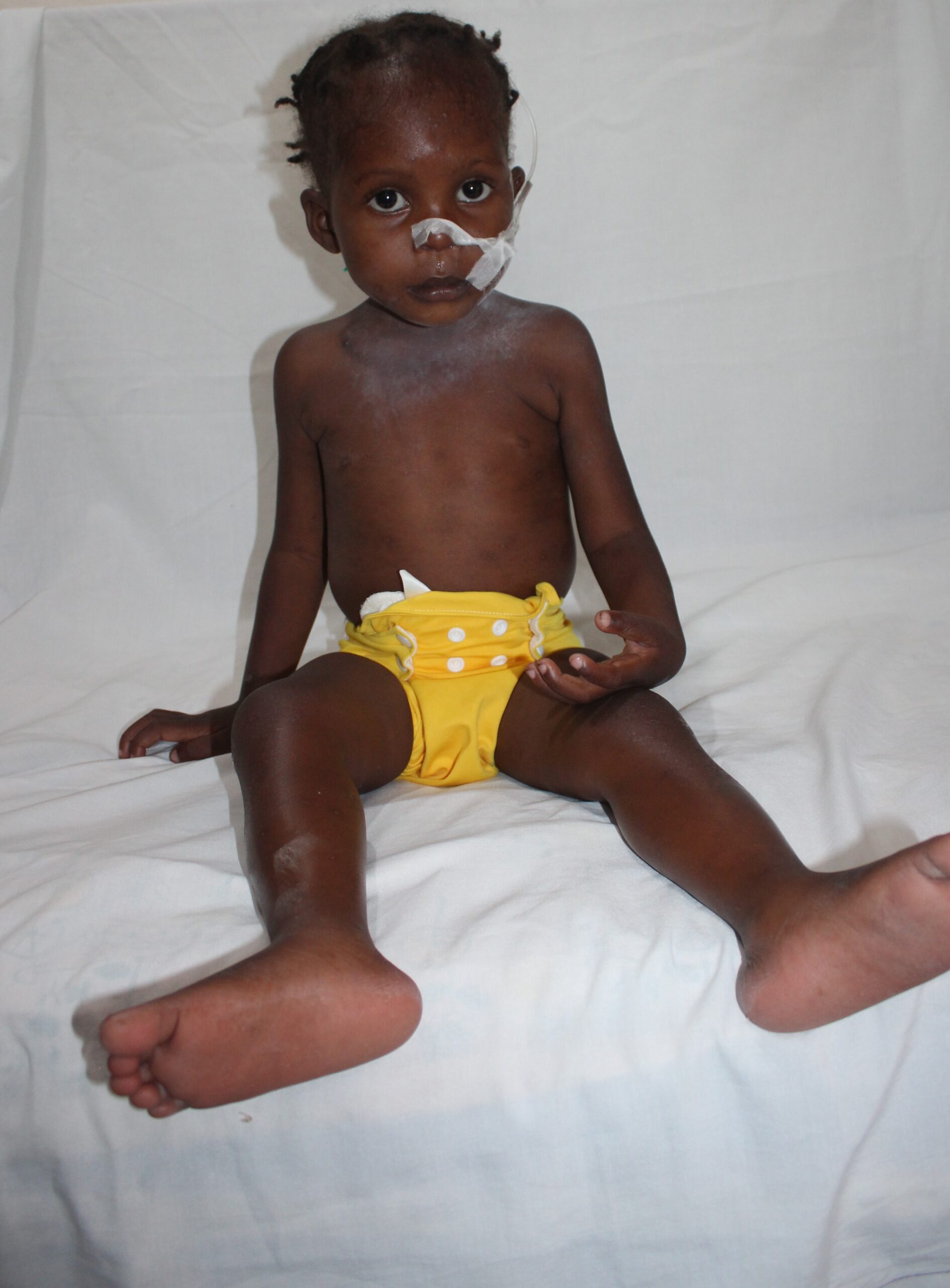
Guiverlande was in our care earlier this year. She recovered and returned home with her family. Her dad had a injury to his leg and was unable to work for several months. Now he is working in his gardens each day and is unable to be there during the day to care for her. She is taken care of by her older sister. Guiverlande lives with her dad and one sister in a modest two-room home made of rocks and clay, topped with a tin roof. The family works hard as farmers, growing millet, beans, and corn, which they sell at open-air markets to support themselves. Their home lacks basic amenities such as running water, a flush toilet, or even an outhouse. Each day, they must walk 20 minutes to collect water from a nearby source.