

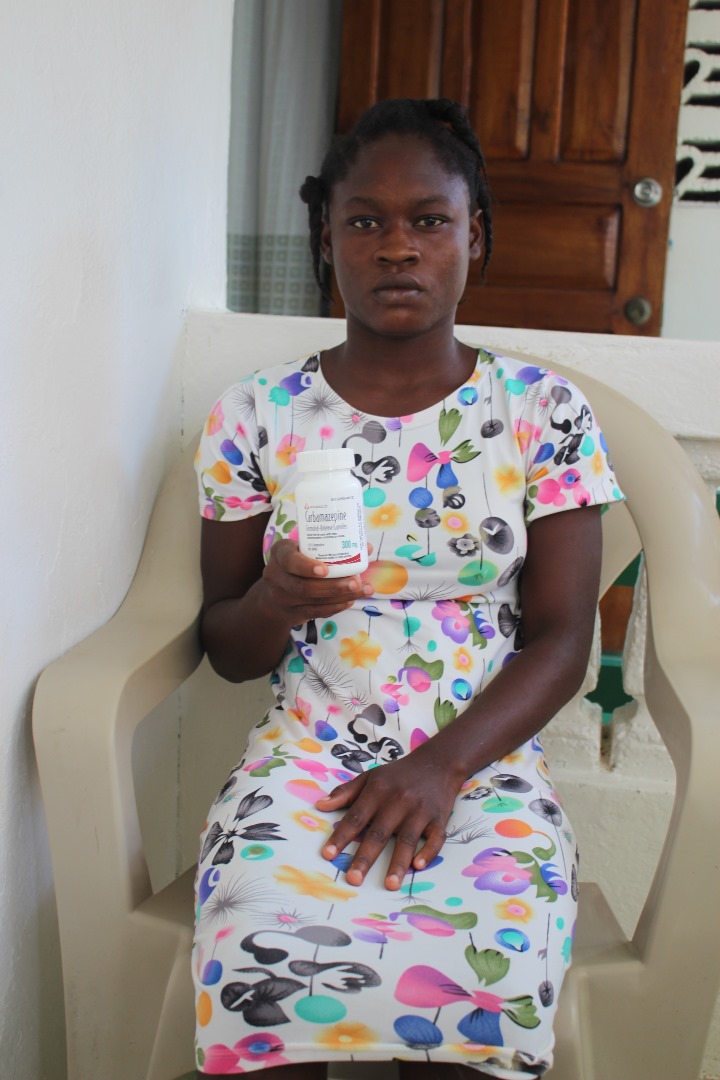
Selena is a 19-year-old patient who lives in a rural area with her father and stepmother. Since the age of 10, she has experienced epileptic seizures. For nearly a decade, her condition remained unmanaged. Due to cultural beliefs and a lack of medical understanding, her family attributed the seizures to non-medical causes. As a result, they relied on traditional remedies and local herbal treatments, which ultimately did not improve her condition.
Over time, Selena’s stepmother—who was already receiving care at our clinic—grew concerned about Selena’s ongoing seizures. Recognizing that the traditional methods were not working, she encouraged Selena’s father to seek medical help. Eventually, he agreed, and they brought Selena to our facility for evaluation.
This situation is not uncommon in Haiti, where stigma, misinformation, and cultural beliefs can delay appropriate medical care. Conditions that could be managed with basic treatment are often left unaddressed, sometimes for years.
At the clinic, Selena received a full medical evaluation, including laboratory testing to rule out secondary causes and confirm a diagnosis of epilepsy. She was then started on a tailored treatment plan using antiepileptic medication, which our clinic provides free of charge through our medication support program.
Selena now comes in for monthly follow-up appointments, where our medical team monitors her response to treatment and adjusts her medication as needed. Since beginning her new regimen, she has had a noticeable reduction in seizure frequency and reports a much-improved quality of life. She is currently stable and is able to carry out her daily activities with fewer interruptions.
Selena’s case underscores the value of accessible healthcare, patient education, and continued follow-up. It also reflects the broader need for outreach and accurate health information in communities where clinical care is not always the first choice. Early diagnosis and proper treatment can change lives—and Selena’s journey is a clear example of that.
We share her story to encourage other families to consider medical intervention when dealing with chronic health issues. With the right support, long-term health improvements are possible.