

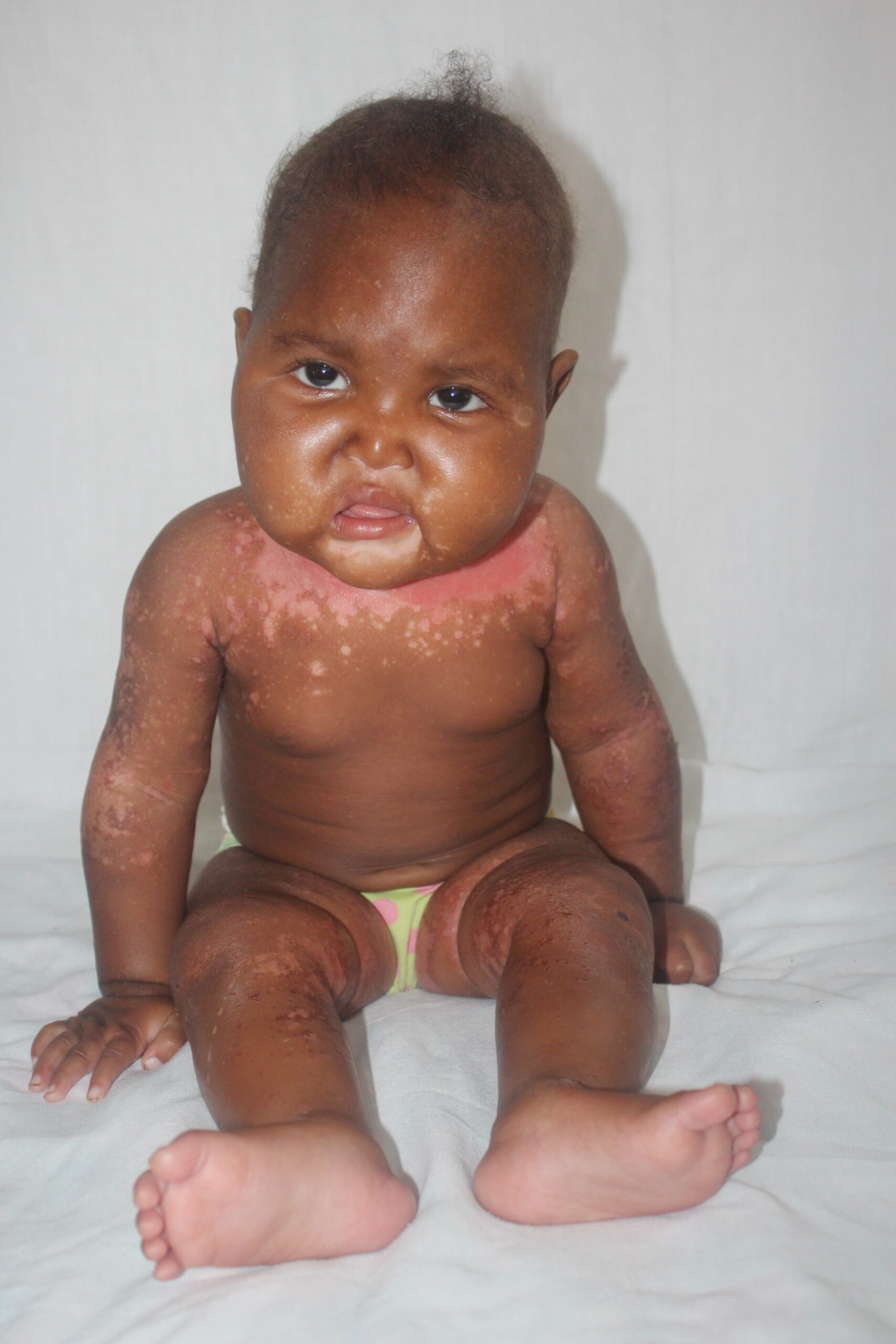
Edeline is a 6-month-old baby girl who arrived at the clinic weighing just 12 pounds. She was suffering from 2+ edema, a clear sign of kwashiorkor—a severe form of malnutrition. Her skin had been peeling for over a week, and she had been vomiting for several days. Edeline lives with her aunt and siblings, as her mother is very sick and also blind, unable to care for her.
The family survives through farming, growing corn, millet, and beans. Seven people live together in a small three-room home made of rocks and clay, with a tin roof. They have no running water, no flush toilet—not even an outhouse. Their only water source is a 15-minute walk from their home.
Despite the long and difficult journey, Edeline’s family traveled three hours by taxi motorcycle and on foot to bring her to the clinic. She was immediately started on F-75 therapeutic milk to stabilize her condition. Once she improved, she transitioned to Medika Mamba, a peanut-based therapeutic food designed to treat severe malnutrition.
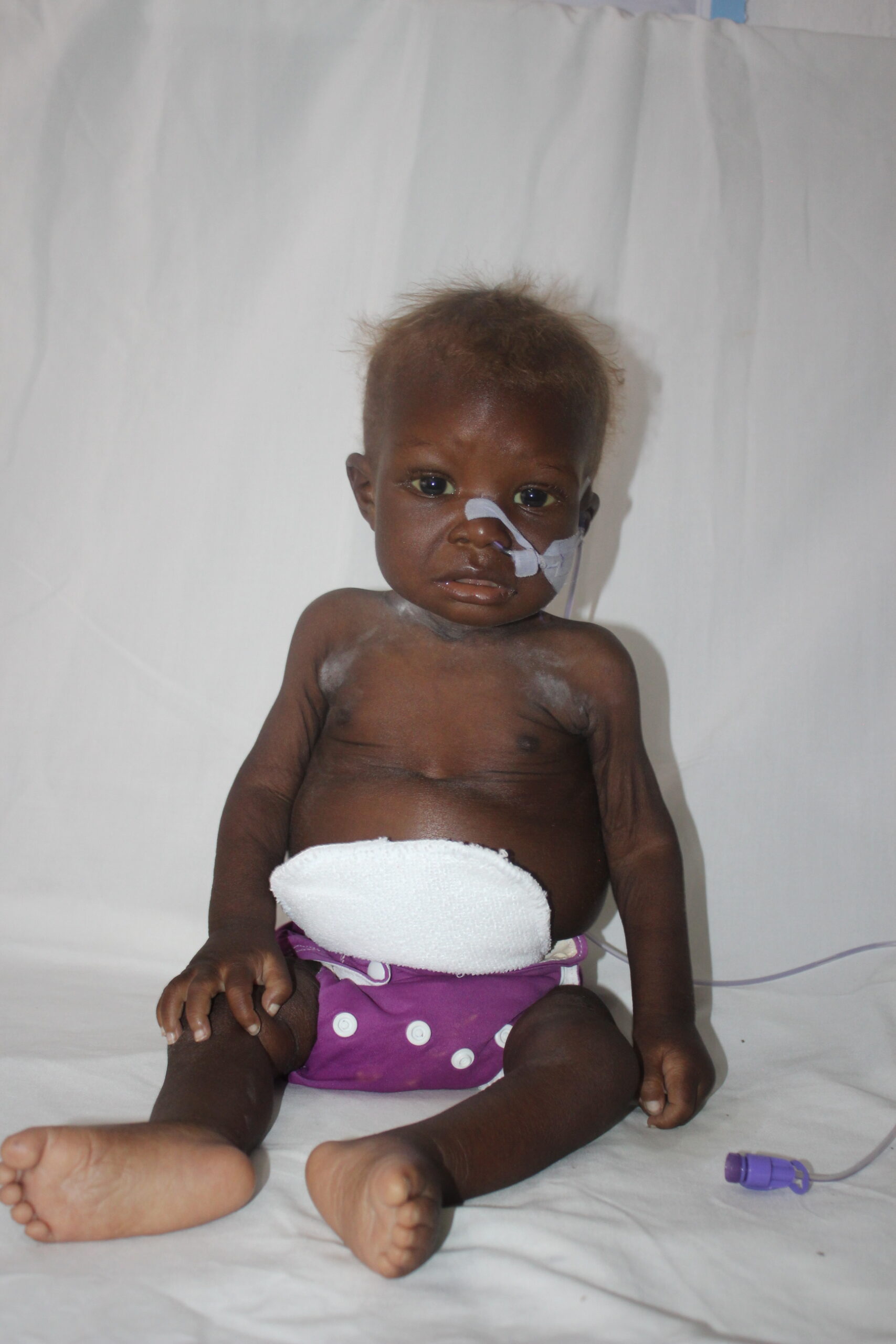
At just 9 months old, Asquiou weighs only 10 pounds—well below the healthy range for his age. He arrived at our clinic visibly swollen from kwashiorkor, a severe form of malnutrition that causes dangerous fluid retention (2+ edema) and significant weight loss. This isn’t his first battle with the disease—it’s the second time his young body has faced this life-threatening condition.
Asquiou lives with his parents, his older sister, and brother in a one-room home made of cinder blocks and covered by a tin roof. The family doesn’t have running water or a flush toilet, but they use an outhouse and collect water from a nearby hand pump. His parents earn a small income by buying snacks like crackers and cookies in bulk and reselling them in their community. On average, they make just $12 a month—barely enough to survive, let alone meet the nutritional needs of three growing children.
When Asquiou fell sick about a month ago, his health declined quickly. He developed swelling, started losing weight, and battled diarrhea for a full week. Yesterday, he had a little soup. Today, just a few crackers. Still, his family didn’t give up. They made the one-hour journey by foot and motorcycle to bring him to our clinic, hoping for help.
Upon arrival, he was diagnosed with severe acute malnutrition (-3 SD) and immediately started on F-75 therapeutic milk, a formula designed to stabilize children in critical condition. Once he responded well, he was transitioned into our Medika Mamba program, where he’ll continue to receive treatment and life-saving nutrition.
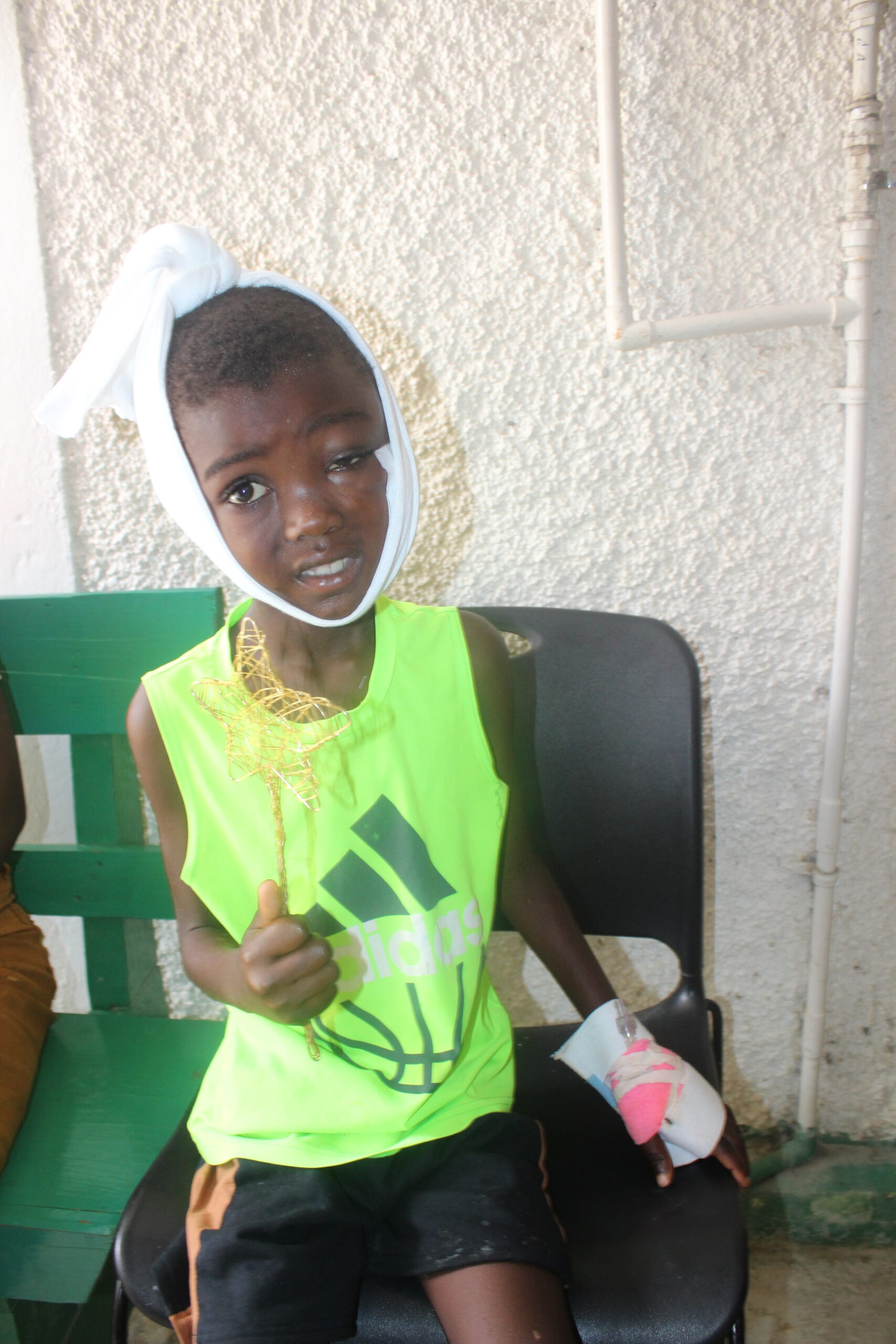
Eight-year-old Marvens arrived at our clinic with a high fever, severe tooth pain, and large abscesses spreading across his face and neck. The pain was so intense he could barely eat, and his small frame was beginning to show signs of weight loss and weakness.
Marvens lives in a remote rural community with his mother, two sisters, and one brother. His father passed away several years ago, and since then, his mother has worked tirelessly to support the family by cultivating beans, corn, and millet in their garden. They live in a three-room home made of wood and tin, without running water, a flush toilet, or even an outhouse. The family walks about five minutes each day to collect water from a nearby source—an added challenge to their already difficult circumstances.
Because Marvens’ condition was so serious, his mother brought him to our clinic, traveling four hours by motorcycle taxi in hopes of finding relief for her son. He was immediately admitted to inpatient care where he is now receiving daily wound care and medications to help fight the infection. Soon, he will also be evaluated and treated by a dentist to address the root of the problem and prevent future complications.
Marvens is staying at the clinic under close observation, and his mother remains faithfully by his side throughout his treatment. Her presence is a powerful source of comfort and strength for him during this difficult time.
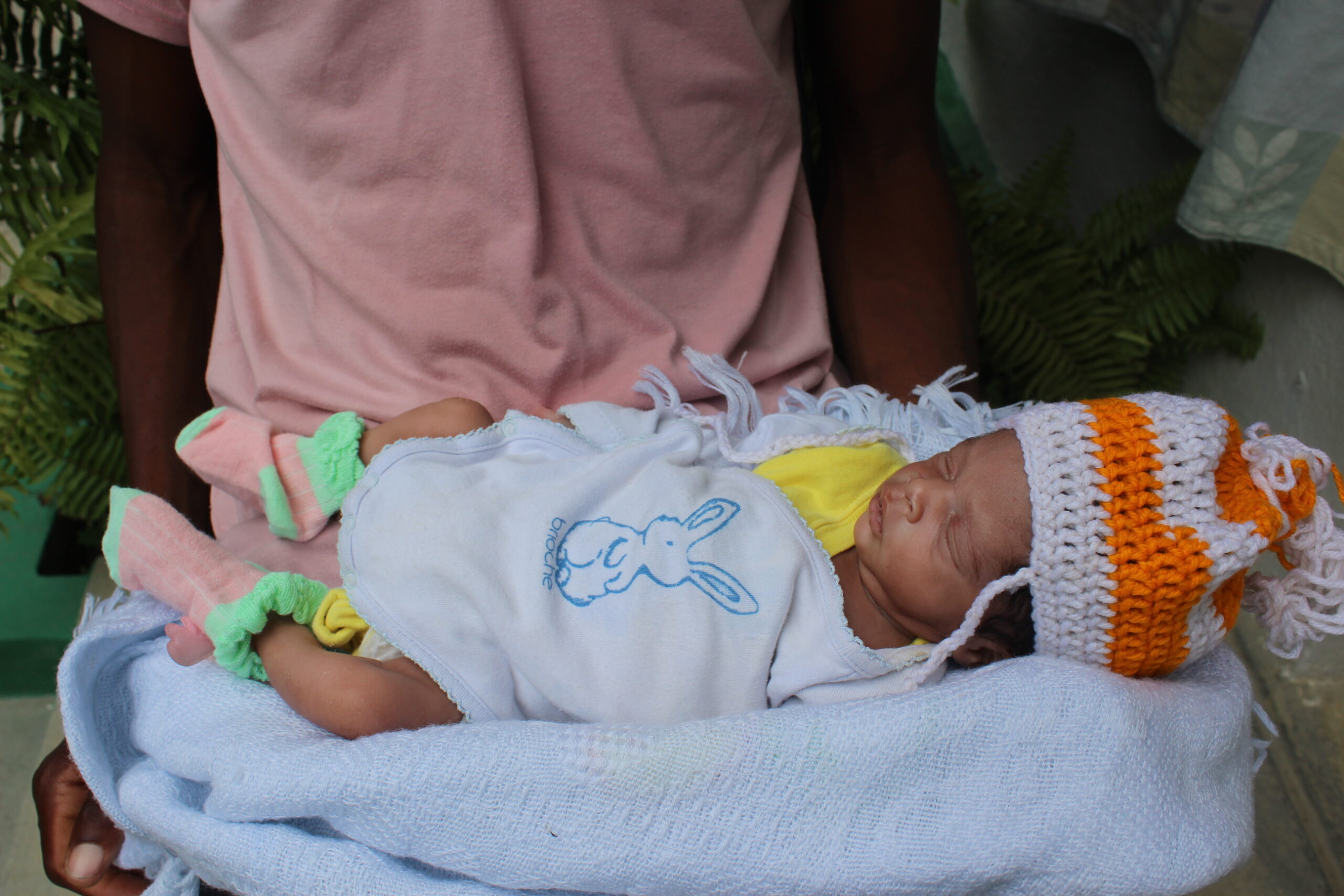
Just a few weeks ago, Love Maida’s family was facing a heartbreaking crisis. Her mother was dangerously ill—so severely anemic that her life was at risk. With hospitals across the country shutting down, her husband was left with few options and was desperately searching for help to save his wife and unborn child.
With the support of our team, the family found a hospital willing to admit her, and we were able to assist with some of the costs to make it possible. Not long after arriving, she went into early labor and gave birth to a tiny baby girl—Love Maida.
At just 20 days old, Love Maida came to our care center weighing only 4 pounds. She had spent her first days in an incubator, gaining strength after her premature birth.
Now, mother and baby are both with us. We’re focused on helping Love Maida steadily gain weight and making sure her mother continues to recover from her illness. Their journey is not over, but thanks to timely intervention and ongoing care, they are both on a path toward healing and hope.
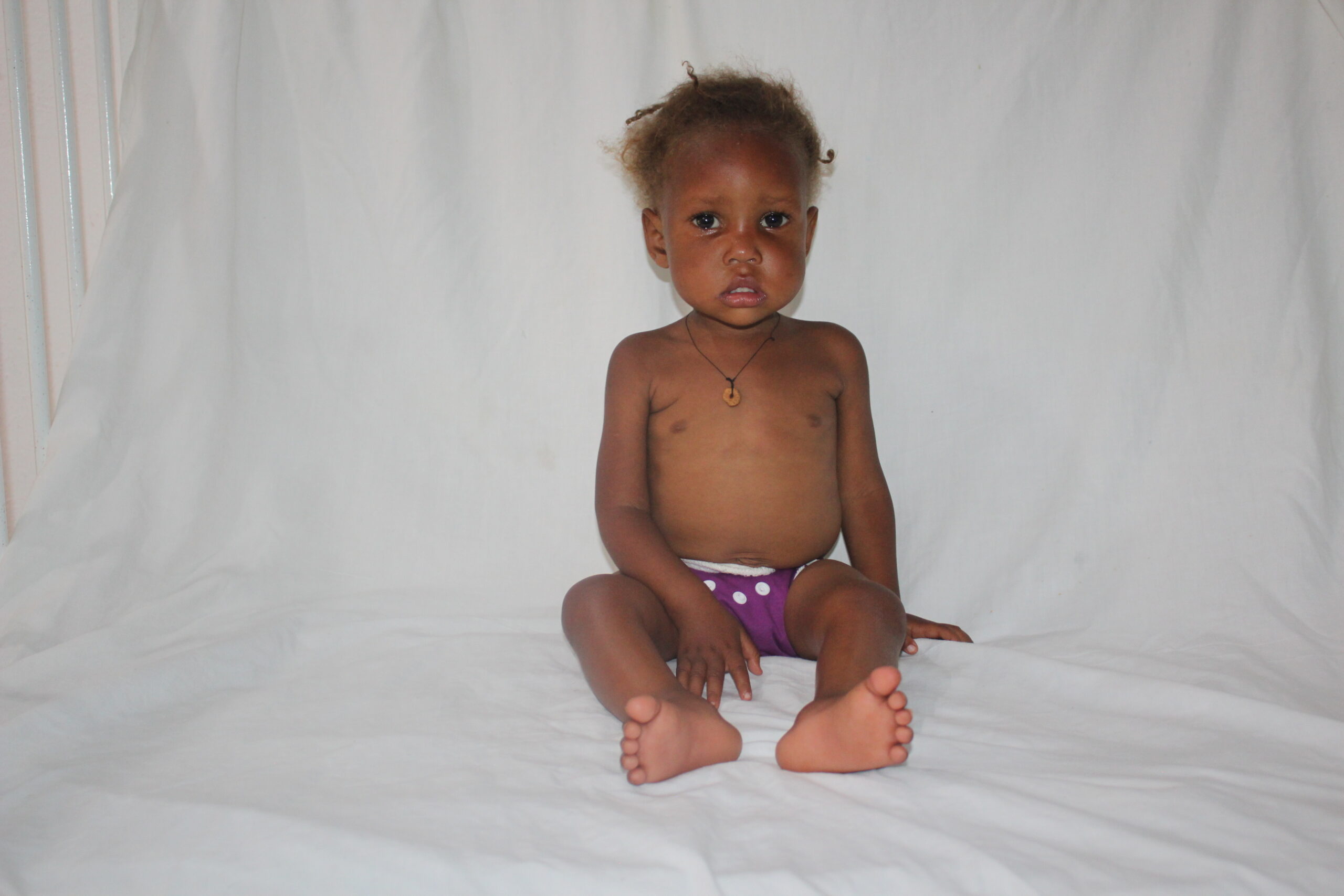
Sophia is a 22-month-old girl, who weighted 16 pounds when admitted. She arrived at the clinic showing signs of malnutrition and the early stages of kwashiorkor—a serious condition caused by a lack of protein. She lives in a modest four-room home made of rocks and clay with a tin roof, shared by nine family members. Her father and paternal grandmother care for her, as her mother, who struggles with mental health issues, has been missing for several months. Heartbreakingly, Sophia has already lost two siblings to fever and illness.
Her family grows corn, pumpkins, beans, and millet in their gardens, but they lack many basic necessities. Their home has no running water or flush toilet—only an outhouse—and they must walk 25 minutes to collect water. With a monthly income of just $76 USD, food is scarce. The day Sophia was admitted, her only meal had been a single hotdog. The day before, she ate a hotdog and drank coffee. Sophia and her family traveled two hours on a taxi motorcycle to reach the clinic. Upon arrival, she was started on F-75 therapeutic milk to stabilize her condition. Once stronger, she began receiving Medika Mamba, a high-calorie, nutrient-rich peanut paste designed to treat severe malnutrition.