

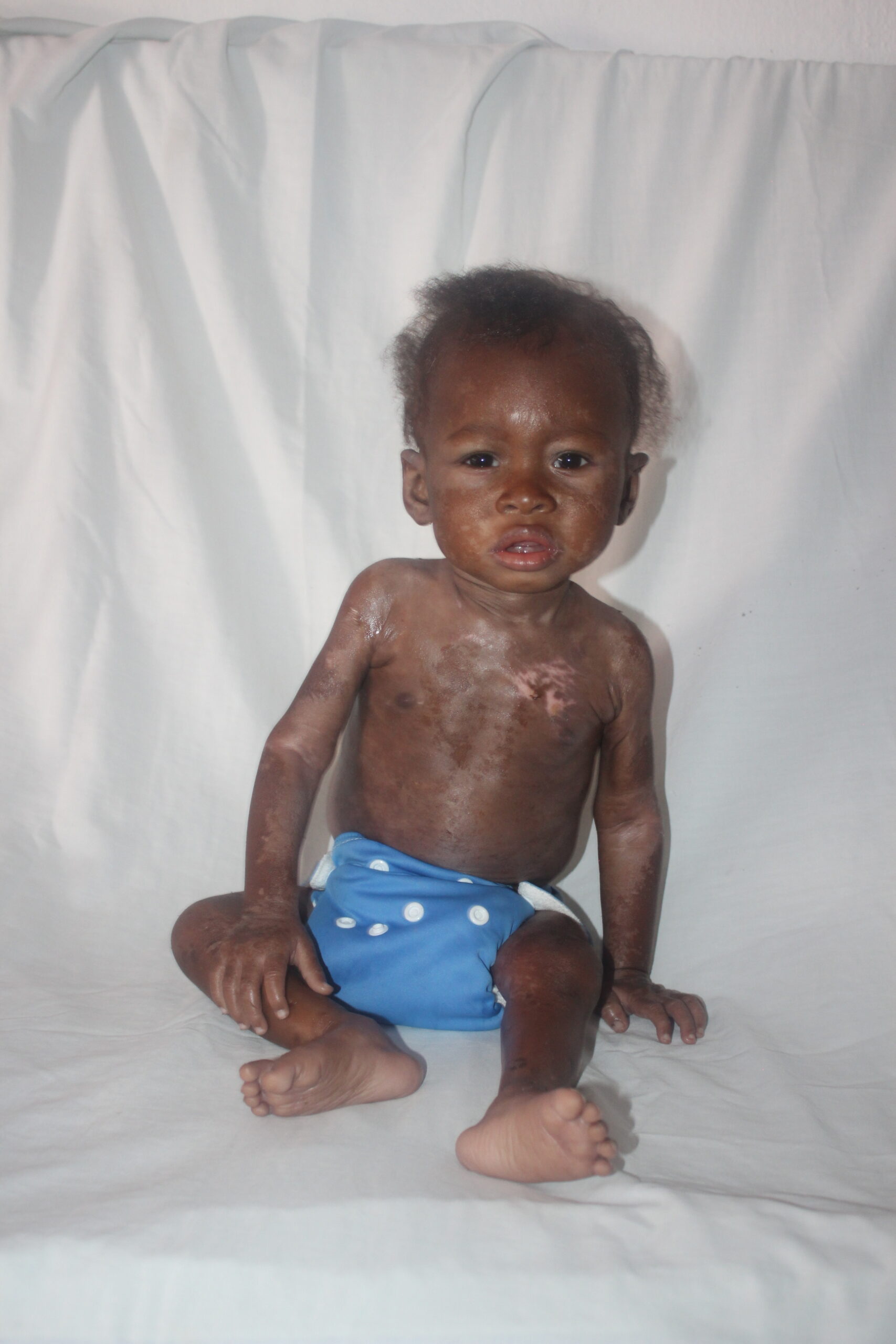
Kerwens is just 8 months old and weighs only 11 pounds. His growth has fallen far below normal, and his tiny body shows the painful signs of malnutrition. He arrived at the clinic with severe skin rashes and a painful diaper rash on top of his frail condition.
Life has been very hard for this little boy. His father died in an accident, and his mother left for the Dominican Republic when he was still a baby. Since then, he has been cared for by his grandmother, along with one surviving sibling.
The family lives in a two-room home made of tin and sticks. They have no running water, no flush toilet—only an outhouse. Their drinking water comes from a source about five minutes away, and they survive on an income of just $46 a month.
To reach the clinic, his grandmother carried him part of the way on foot before taking a two-hour journey by motorcycle taxi. When they arrived, Kerwens was immediately admitted. He was started on F-100 therapeutic milk to stabilize his condition, and later transitioned to Medika Mamba, a fortified peanut paste used to treat malnutrition.
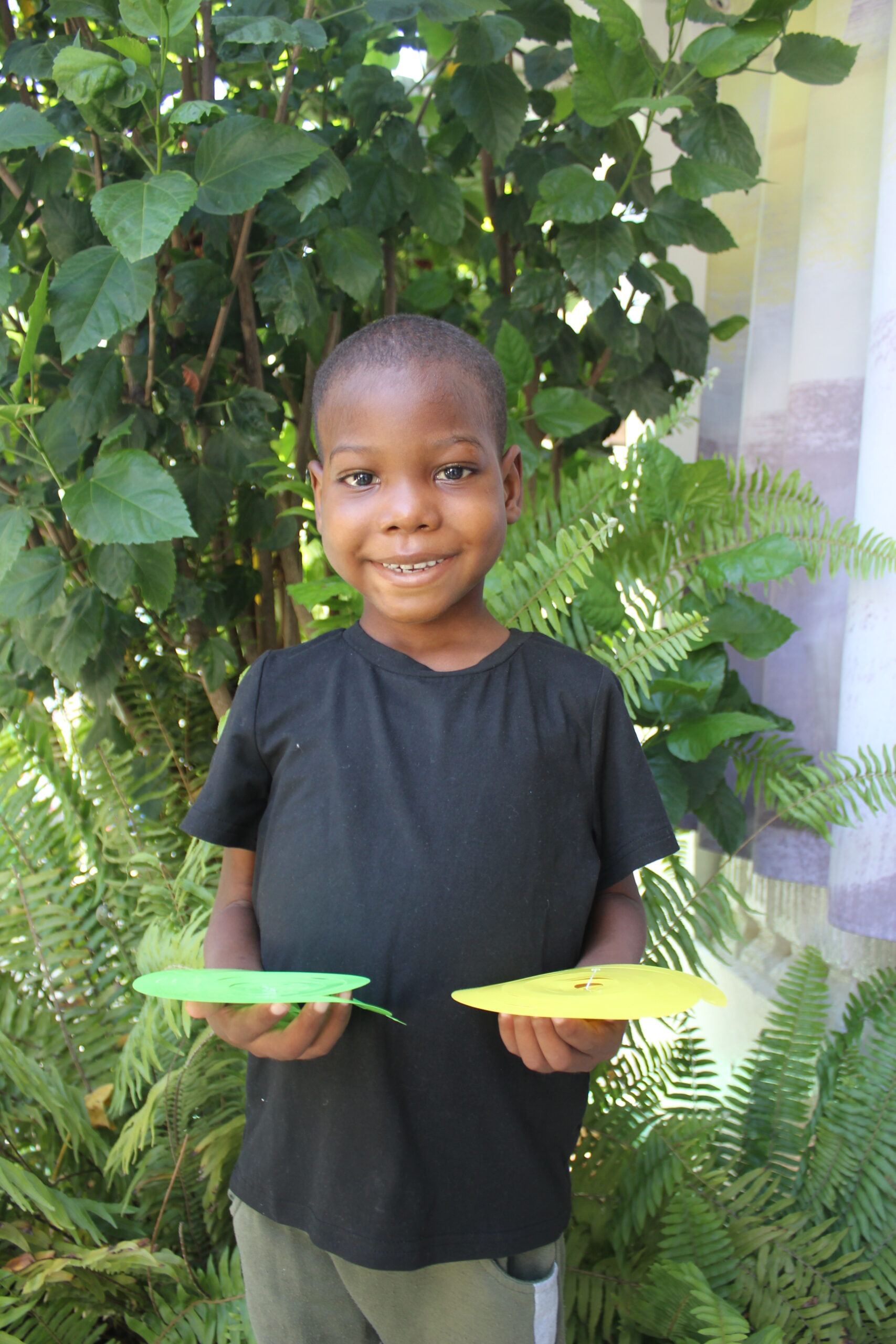
Even is a 5-year-old boy who weighs just 37 pounds. He arrived at the clinic with kwashiorkor, a dangerous form of malnutrition, and a fever.
Even lives with his parents, sister, and two brothers in a single-room home made of rocks and clay, topped with a tin roof. His family works hard as farmers, growing corn, beans, and grains. To make a little extra income, they also buy food staples like rice, beans, oil, and chicken bouillon in bulk to resell. Despite their efforts, their average monthly income is only $57.
Life at home is far from easy. The family has no running water, no toilet or even an outhouse. Their only water source is a 40-minute walk away.
When Even grew too sick, his family made the difficult four-hour journey to the clinic on a motorcycle taxi. He was admitted and started on F-75 therapeutic milk, later moving to Medika Mamba, a fortified peanut paste that helps children recover from malnutrition.
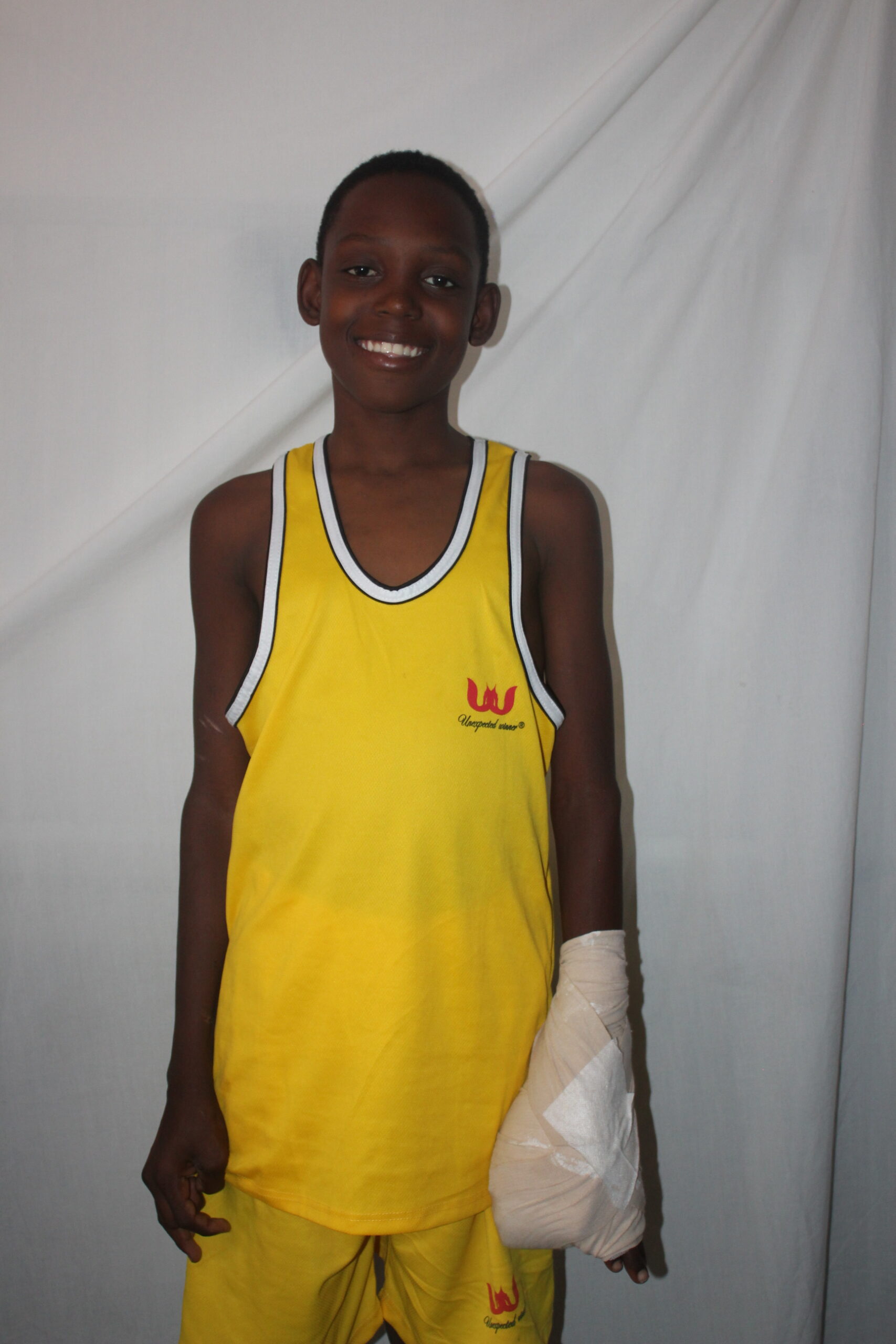
Audens is a 14-year-old boy who came to the clinic after a bad fall left his thumb severely injured. The damage required surgery at a hospital before he could return for follow-up care.
His life has not been easy. His mother left him with his grandmother when he was a newborn, and no one has seen her since. His father was never known. Since birth, Audens has been raised by his grandparents in their small two-room home built from rocks and dirt with a tin roof. They survive on about $38 a month, with no running water or flush toilet, though they do have an outhouse and a water source just a few minutes away.
He traveled an hour and a half by foot and motorcycle taxi to reach the clinic. Now, he is staying to heal, receive good nutrition, and get daily dressing changes for his injury.
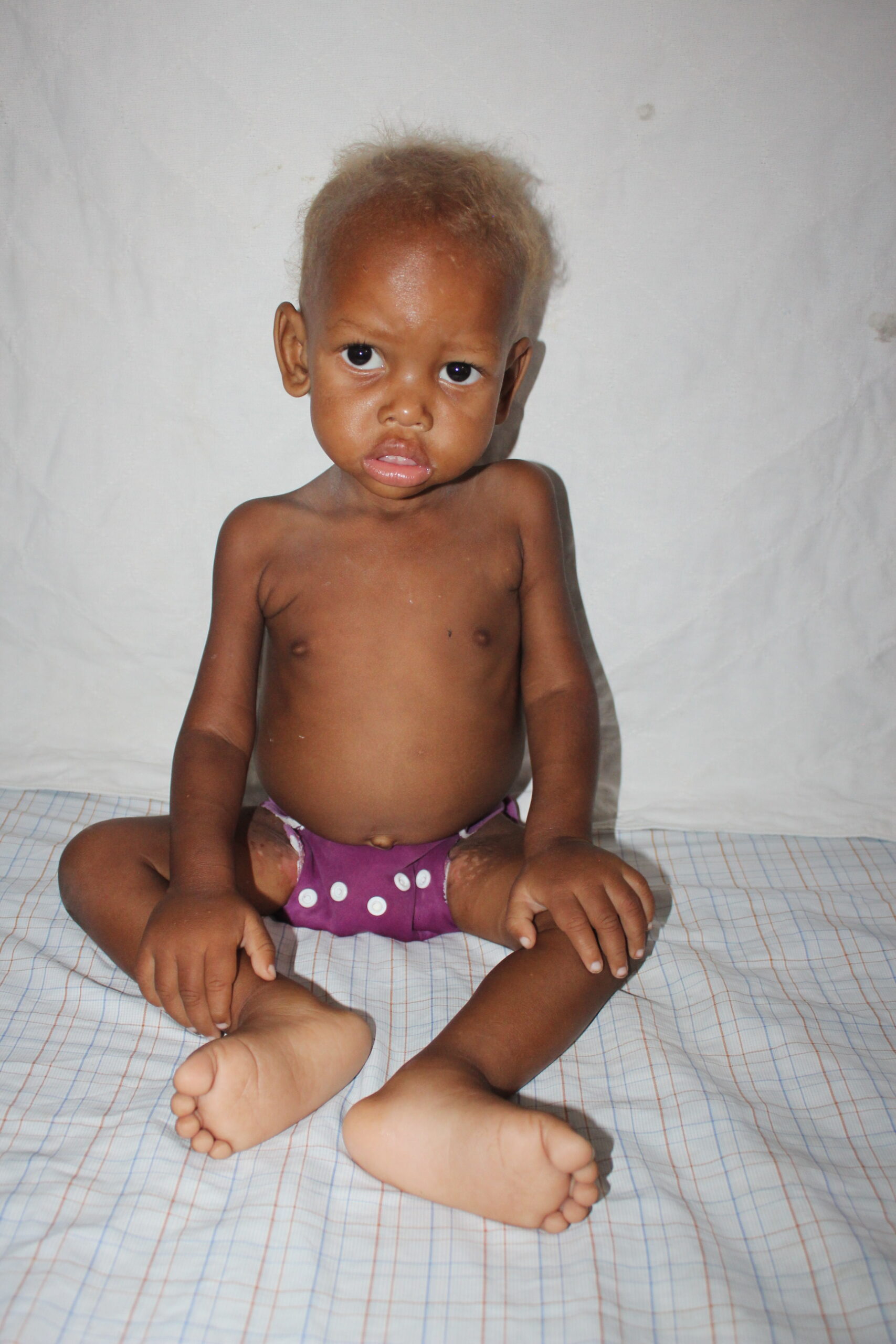
At just 15 months old, little Gordensley weighs only 16 pounds. His tiny body is swollen with edema, and for the past three days, he has battled diarrhea. But his struggle has gone on much longer—he has been losing weight for months.
Life took a hard turn when his father became ill and had to be hospitalized. His mother left to care for him, leaving Gordensley in the care of his grandmother. Without his mother, he was no longer breastfed and his health quickly declined.
The family lives simply in a three-room home made of rocks and clay with a tin roof. They grow beans, corn, roots, and sweet potatoes in their garden. There is no running water or flush toilet. Instead, water comes from a piped system a short walk away. Their monthly income averages just $76.
When Gordensley became too weak, his family made the difficult two-hour journey to the clinic by motorcycle taxi. There, he was admitted and began treatment with F-75 therapeutic milk and Medika Mamba, a fortified peanut paste that helps children recover from malnutrition.
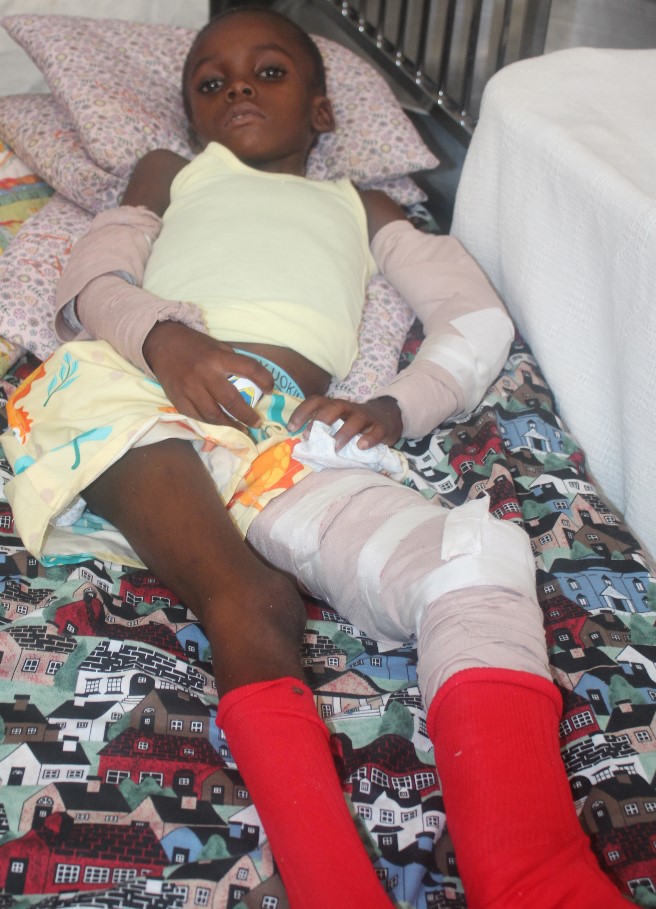
Djivenson came to the clinic after a terrible fall from a mango tree. His leg had been broken for three weeks without treatment, and by the time he arrived, it was severely infected and filled with pus. He was quickly referred to a hospital, where surgeons cleaned the wound and operated on his leg.
Djivenson lives with his mother, one sister, and six brothers in a small two-room home made of tarps, sticks, and sheets. His mother works hard to provide for the family, selling beans and watermelons from her garden, though her monthly income is only about $75.
After surgery, Djivenson returned to the clinic to recover. He continues to battle pain and fevers but is now receiving proper care, daily attention, and good nutrition to help him heal.