

In Haiti, many women still give birth at home. This is often due to limited access to healthcare facilities, long travel distances, cost, or deeply rooted cultural traditions. In some communities, childbirth has long been supported by family members and traditional birth attendants, and home births are considered normal and familiar. When possible, some women visit a clinic or hospital after delivery to receive postnatal care for themselves and their babies. However, for families living in remote or hard-to-reach areas, this option is often unavailable.
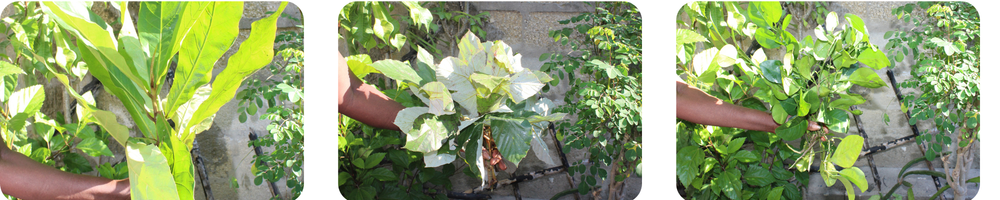
In these regions, postnatal care depends largely on traditional practices passed down through generations. After childbirth, family members prepare hot herbal baths for the mother during the first three days, believed to cleanse the body and support healing. Mothers also drink herbal teas, such as avocado bark tea, during this period. For the following three days, hot baths continue without herbs. Then, for about a month, the mother takes daily hot water baths, often sitting in the sun, which is believed to promote strength and recovery.
Nutrition is also an important part of postpartum care. New mothers are encouraged to eat broth, meat, chicken, and other foods considered “strong,” thought to restore energy and help the body heal. These traditions remain an essential source of care and support for women, especially in areas where access to modern medical services is limited.