

E.J. is a 26-year-old young mother living with her family, surviving through small-scale farming. Life has never been easy, but over the past six months it became overwhelmingly difficult as her health began to fail.
What started as symptoms that seemed manageable—fever, cough, diarrhea, and skin rashes—slowly took over her body. Like many in rural communities, E.J. first turned to home remedies, hoping time and herbal teas would bring relief. Instead, her strength faded day by day.
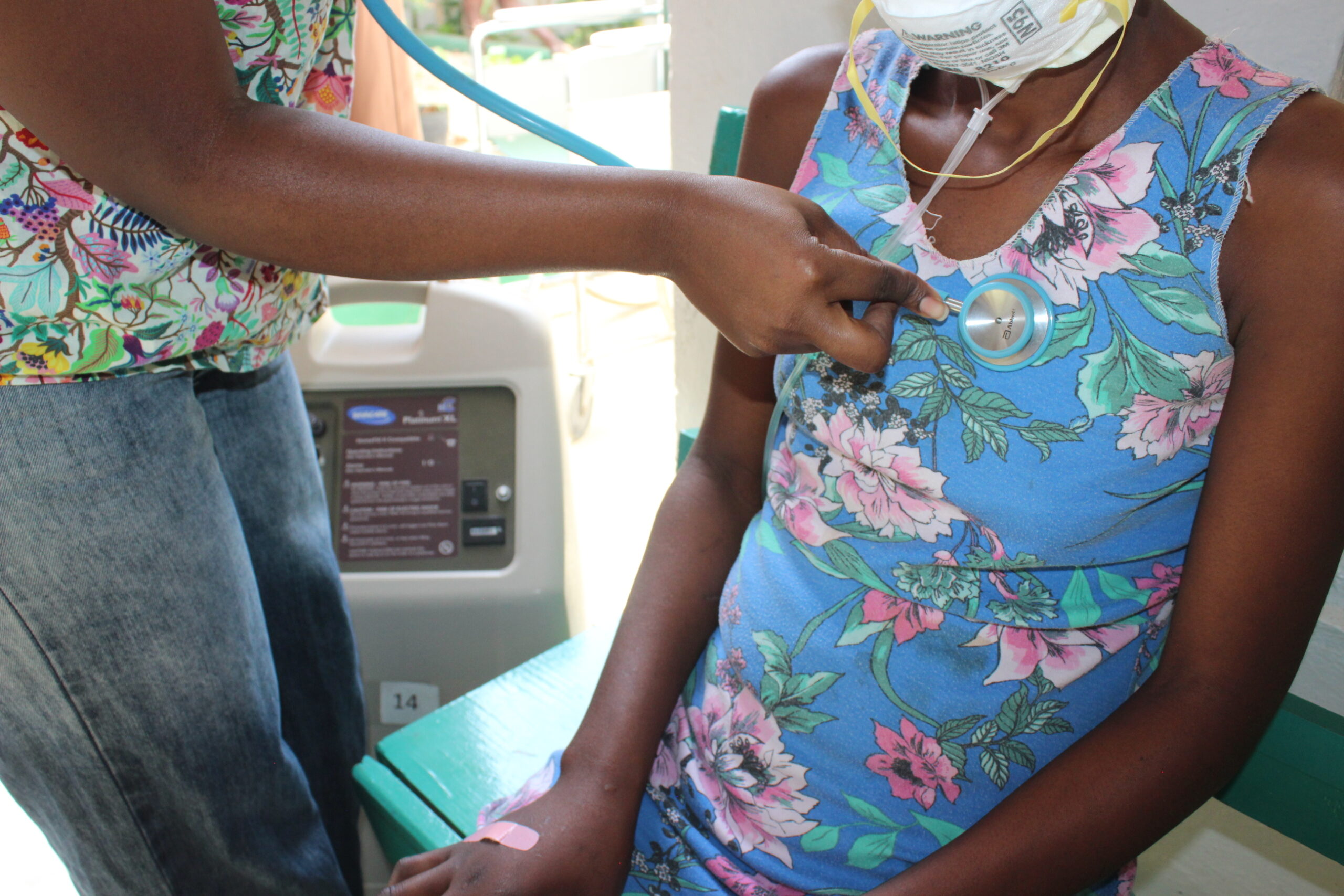
She eventually sought help at a nearby clinic, where basic care was provided. But her condition was too severe, and she was referred to our clinic. By the time she arrived—traveling by motorcycle taxi, the only option available—her health had significantly deteriorated.
Tests revealed a heartbreaking reality: E.J. was HIV positive and suspected of having tuberculosis. In places with stable healthcare systems, these diagnoses are challenging. In Haiti today, they can be devastating. Ongoing insecurity has forced many hospitals and treatment centers to close, making life-saving medications increasingly difficult to access.
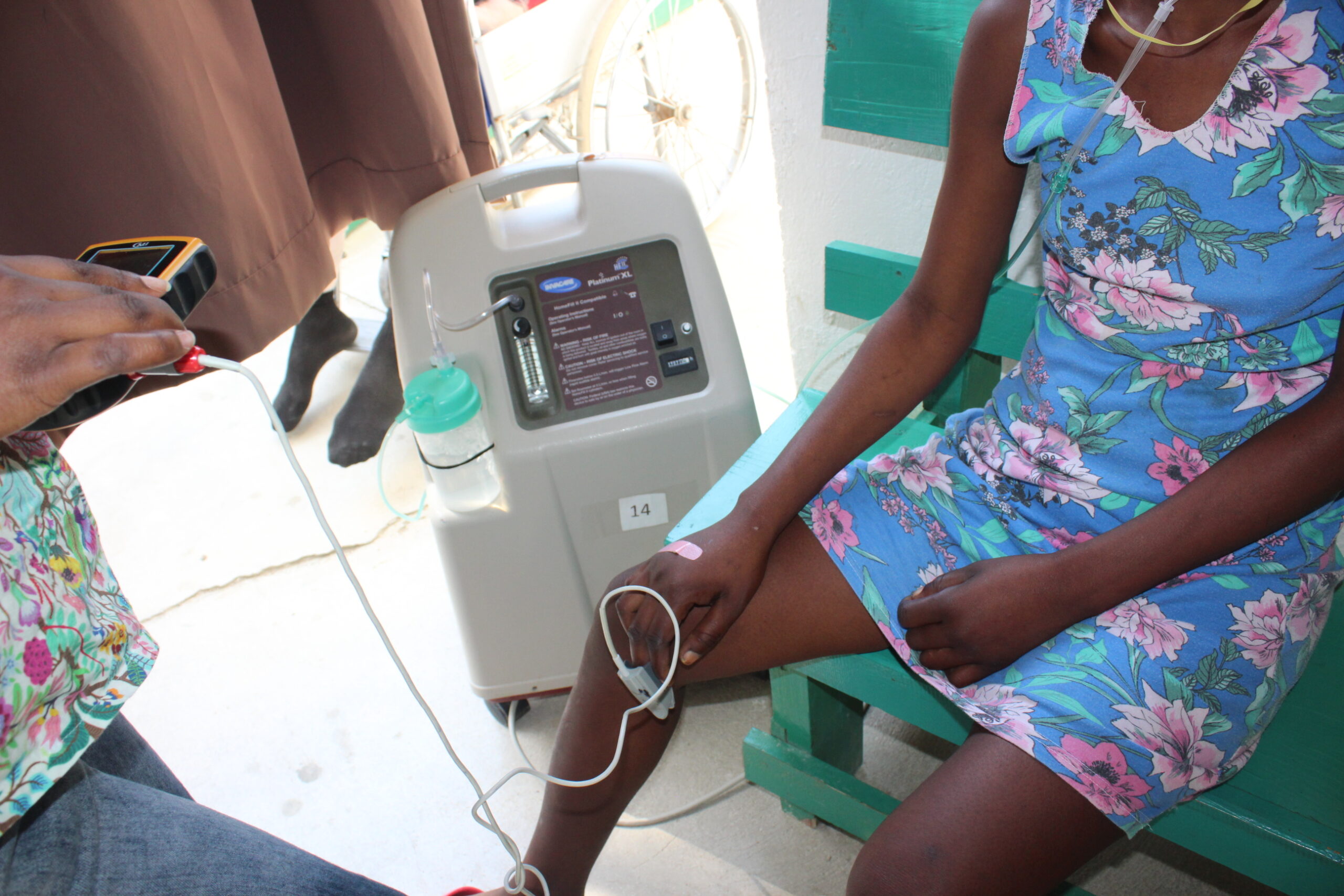
E.J. was not only battling serious illness; she was battling distance, unsafe roads, limited resources, and a fractured healthcare system. We provided emergency care and stabilization, but without access to specialized treatment, her life remained in danger.
With heavy hearts, we transferred her once again, hoping another facility could offer the care she desperately needed. E.J.’s story does not end with recovery. It reflects a painful reality faced by many—where diagnosis does not guarantee treatment, and survival depends on access that is too often out of reach.