

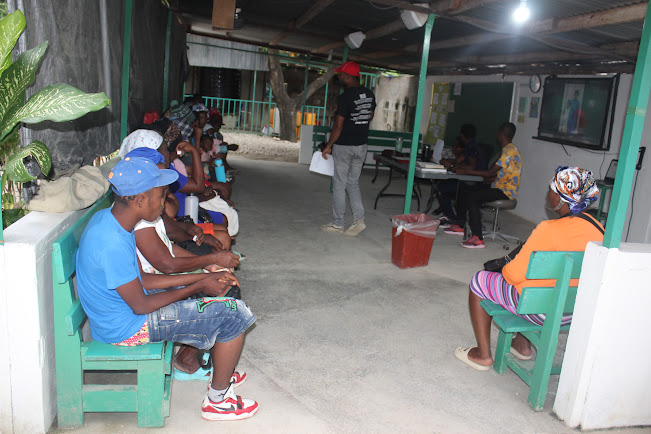
Before offering education on affection and attachment, our clinic team takes time to carefully observe and reflect on the emotional needs of the families we serve. In home visits and daily interactions, we notice children who cry often, seem fearful, withdrawn, or unresponsive. We also hear from parents who feel exhausted and confused by their child’s behavior, sometimes describing them as “difficult” or disobedient. As we listen and observe, we recognize that many of these challenges are rooted in a deep lack of affection and secure attachment. This understanding led us to develop teaching on this topic because it directly impacts both a child’s emotional and physical development.
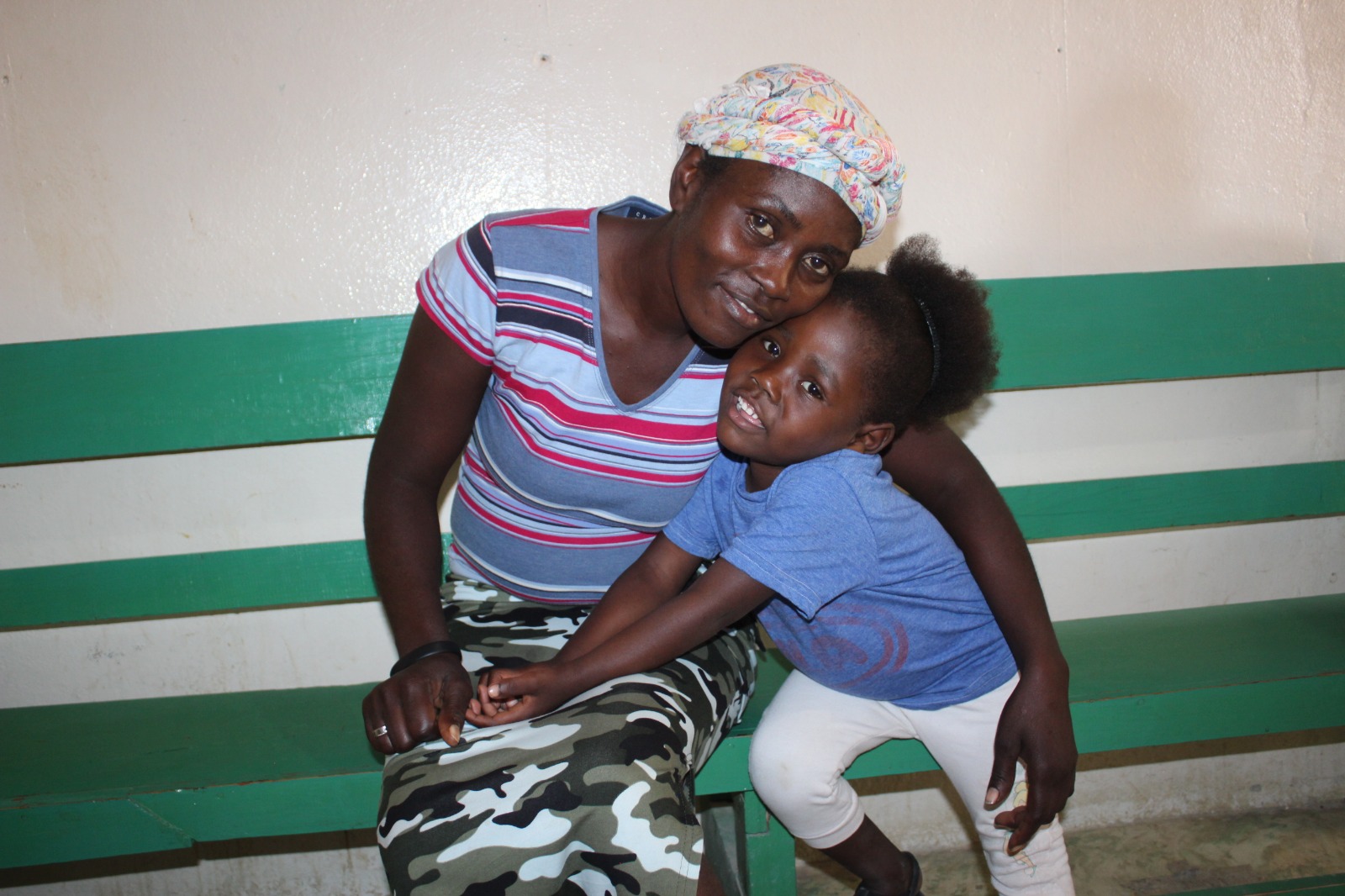
These education sessions take place under the clinic shelter while families wait for consultations. What may seem like a short waiting period becomes a meaningful time of learning and reflection. We explain that affection is more than hugs and kisses. It includes being present, listening, responding to a child’s cries, speaking their name gently, making eye contact, and taking time to play and talk. As parents begin to understand this, many realize they had not fully recognized the importance of these daily interactions.
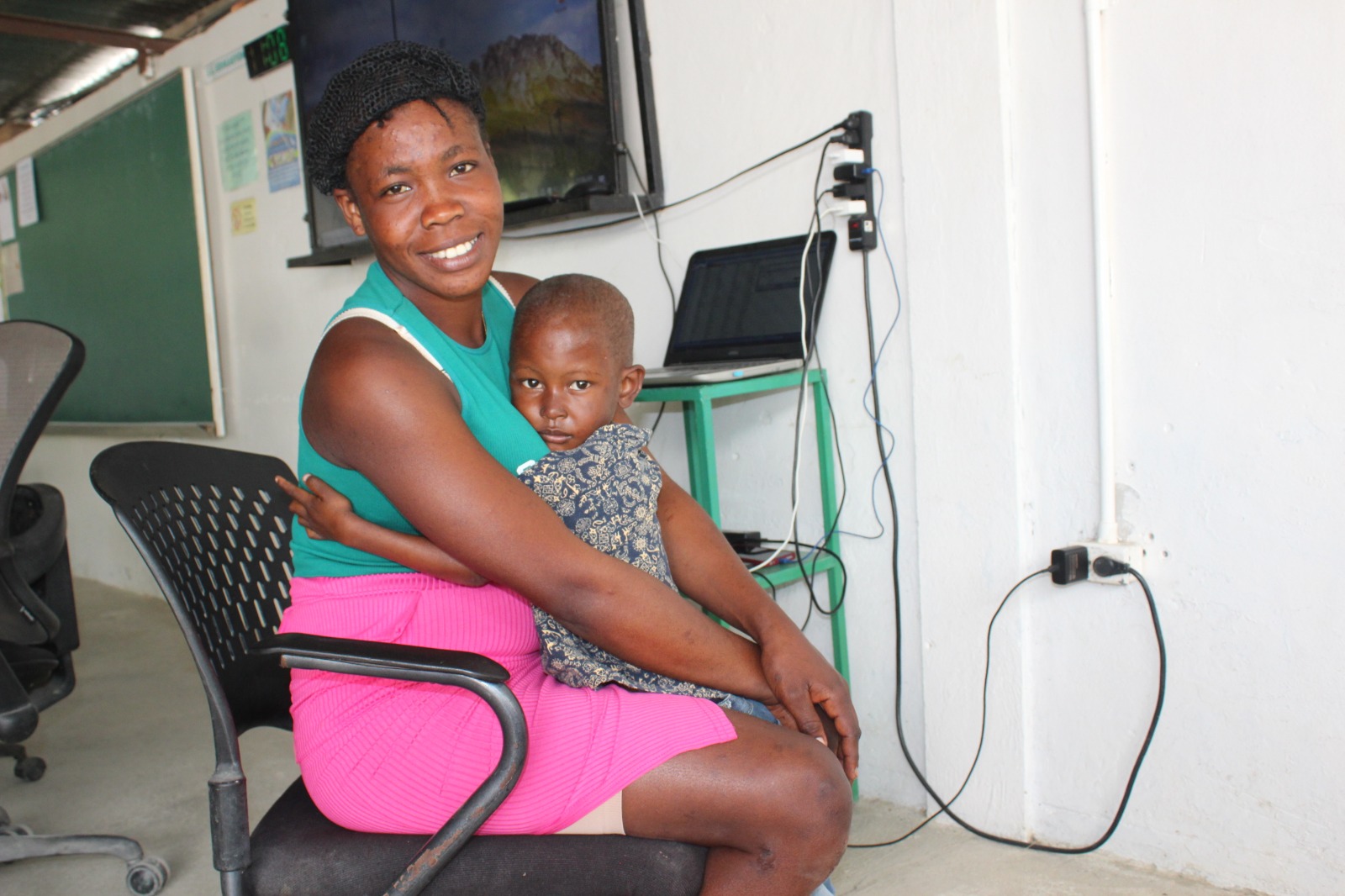
We use simple stories and real-life examples to show how affection can bring change. We share about children who once seemed distant or aggressive but began to respond positively when they consistently received kind words, loving touch, and patient attention. Parents begin to see that emotional security can calm anger, encourage communication, and build confidence.
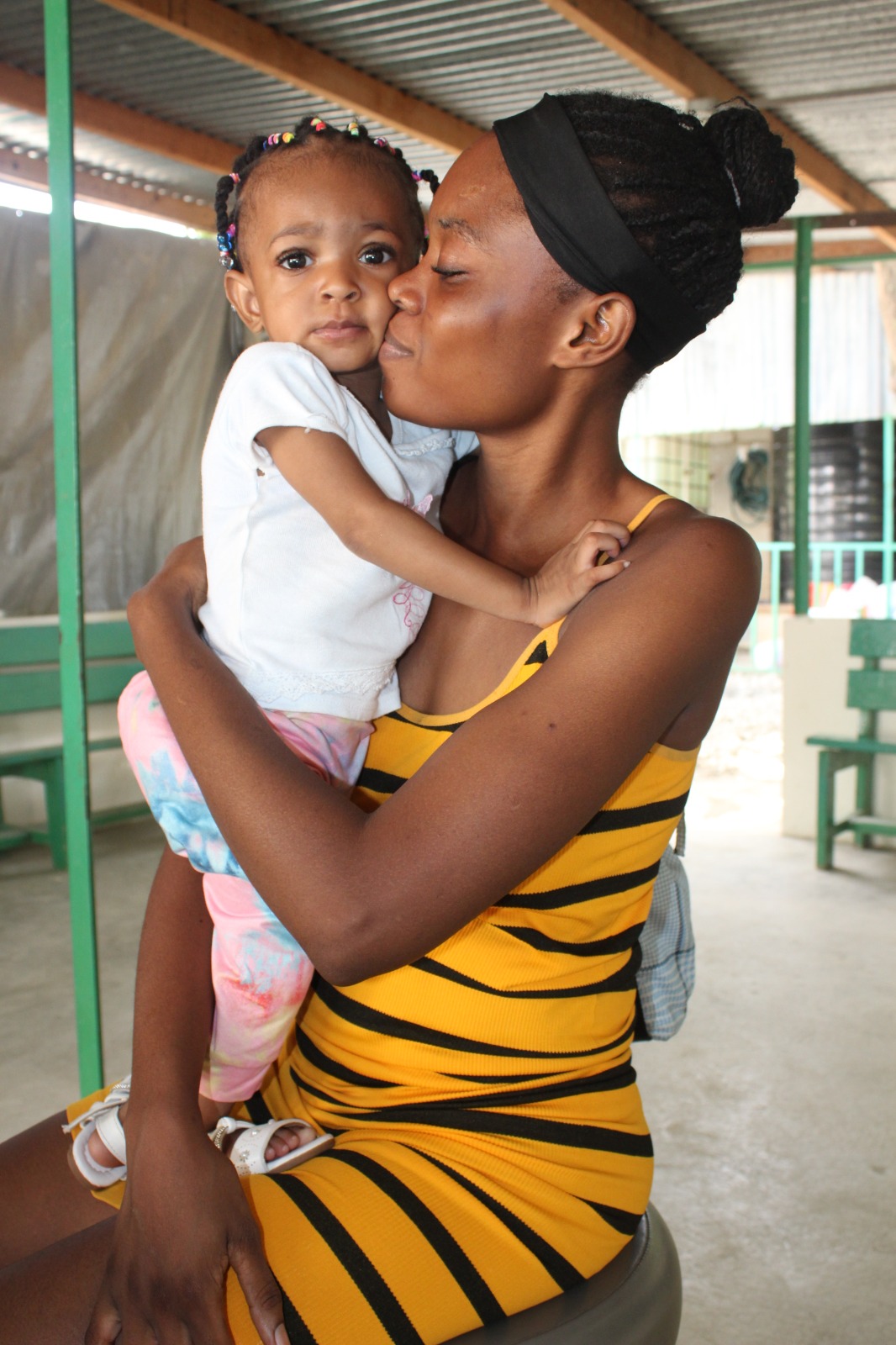
When discussing attachment, we explain that it forms the foundation of a child’s sense of safety. A child who knows there is a dependable adult—someone who does not abandon them when they struggle—develops strength and resilience. We have witnessed children make noticeable developmental progress when parents begin practicing consistent affection and attachment in the home.
Over time, we see the results. Parents speak more gently, show greater patience, and correct their children without humiliation. They learn that discipline and affection work together. While transformation does not happen overnight, small daily changes begin to reshape families. This education does more than inform—it strengthens relationships and supports healthier futures for children.