

One of the first things we do when a child arrives at our facility is take their vital signs. This is also the first step any time a child becomes ill. These measurements give us a clear picture of how the child is doing physically, and they guide every care decision we make from that point forward.
This is especially important for children who cannot yet speak or tell us how they feel. Vital signs become their voice.
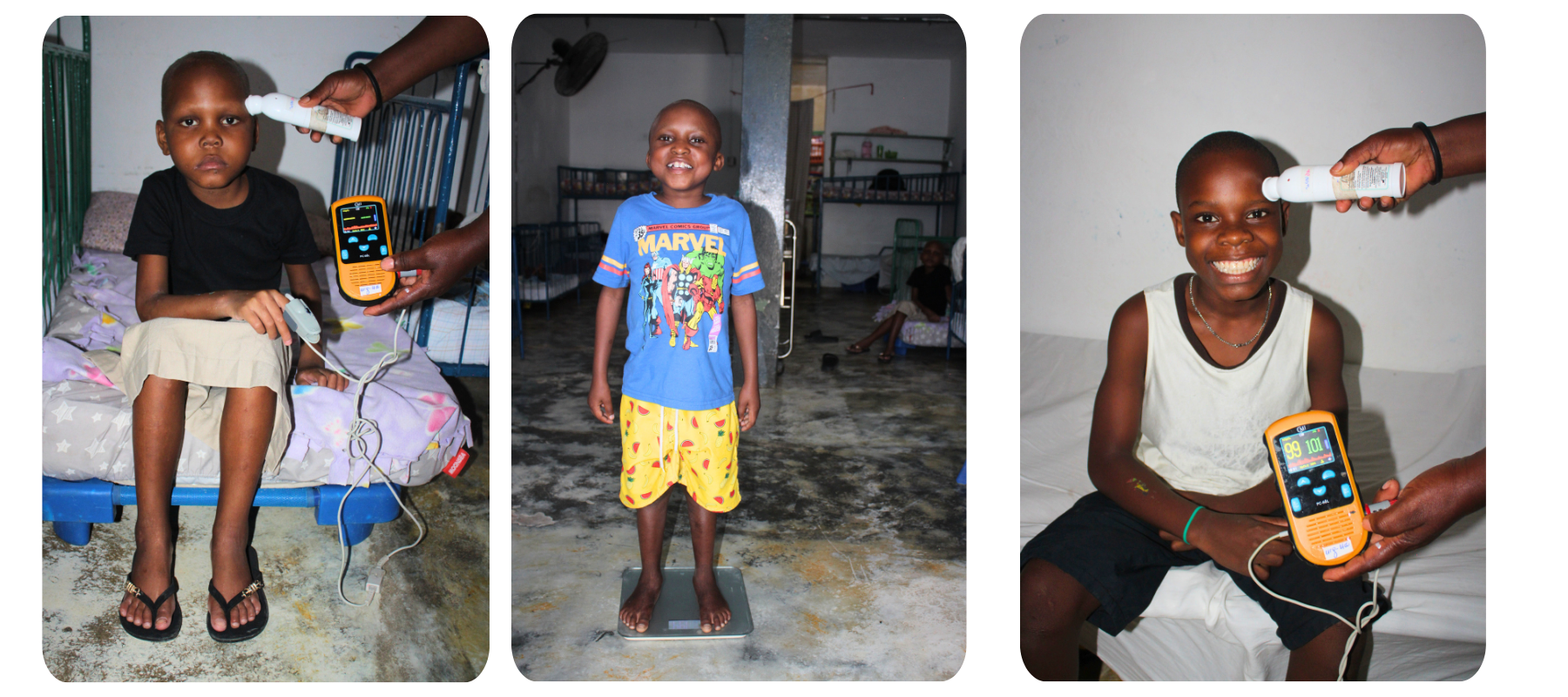
Vital signs can be done at any time. Depending on how severe the patient is we can do continuious monitors or every 2, 4 or 6 hours. We monitor oxygen levels, heart rate, temperature, blood presure, glucose levels and the patient are weighed each day. This is one of the most reliable ways to follow a child’s development over time and to catch early signs that something may not be right. A child who is losing weight or not gaining as expected needs attention, even if they appear well on the outside.
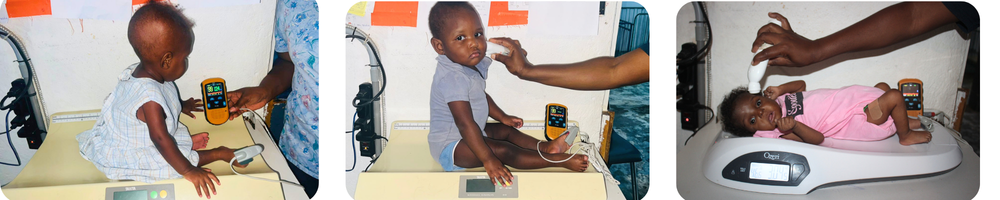
Vital signs help us know how to treat a child and what medications are needed — especially for children who cannot yet tell us how they feel.
Taking vital signs is a simple practice, but it makes a significant difference in the quality of care we are able to provide. It ensures that no child’s condition goes unnoticed, and that every child receives the attention they need at the right time.