

What We’re Learning About Breastfeeding, Beliefs, and Mental Health in Haiti
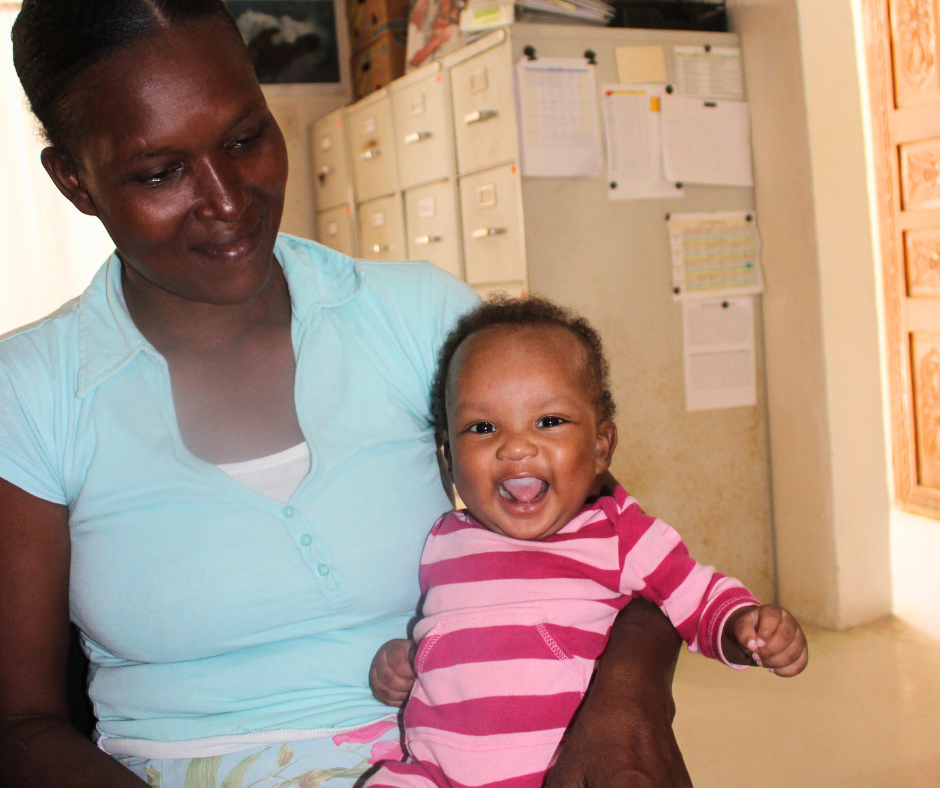
Walking into our clinic, I meet mothers from all different situations. Some have everything they need to breastfeed exclusively. Others are juggling work, poverty, and the demands of keeping their families alive. Their choices about how to feed their babies aren’t always about what they believe is best. They are often about what’s possible given their circumstances.
In Haiti, how a mother breastfeeds depends so much on where she lives, what her family has always done, and whether she has the financial stability to stay home with her baby. Many mothers practice exclusive breastfeeding, meaning their baby receives only breast milk for the first six months. During those months, the baby feeds whenever he or she cries, wakes up, or whenever the mother feels her breasts are full. There’s no schedule. It’s constant, around the clock, and it requires the mother to be available always.
After six months, families usually start introducing other foods (porridge, bananas, rice, things appropriate for the baby’s age) while breastfeeding continues. In many Haitian communities, children nurse into their second year, depending on what the family decides and what the mother’s situation allows.
But here’s the reality many mothers face: life is hard. A mother might need to leave her home every day to sell goods, to work, to find ways to feed her family. When she’s gone, her baby can’t be at her breast. So the baby starts eating or drinking other things earlier than she might have wanted. The baby starts on formula, or water, or other foods. This isn’t a choice born from preference, but rather it’s born from necessity. Economic hardship directly shapes breastfeeding practices in ways we can’t ignore.
When Beliefs Conflict with Medical Reality
Then there are the beliefs. In rural and remote areas especially, there are deep traditions about breastfeeding that have been passed down for generations. And I want to be clear: we respect these traditions. They come from a place of trying to protect babies. But sometimes, what people believe to be true and what medical science tells us are true don’t match up.
For example, when a breastfeeding mother gets sick (maybe she has a fever, high blood pressure, an abscess, or she’s going through something emotionally difficult like anger, sadness, or a serious conflict with family) some communities say she has “bad milk.” The belief is that this milk will make the baby sick. Maybe it will even kill the baby. So the mother stops breastfeeding immediately.
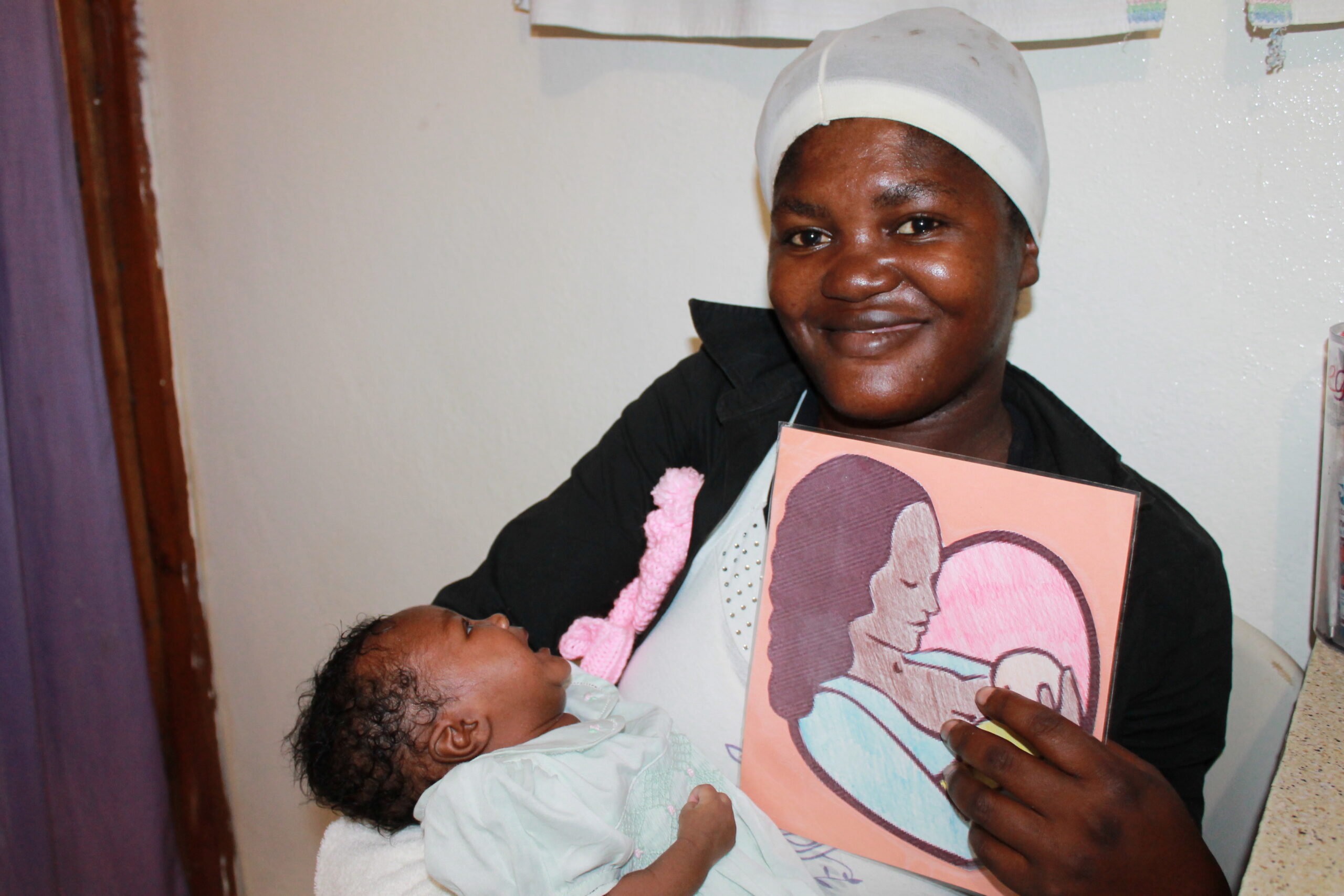
From a medical perspective, “bad milk” doesn’t actually exist. A mother’s fever doesn’t poison her milk. Her stress doesn’t turn it toxic. Her anger doesn’t make it dangerous. In fact, in many of these situations, continuing to breastfeed is actually beneficial for the baby. But these beliefs are so deeply rooted, passed down mother to daughter, grandmother to granddaughter, that they feel like truth.
When we encounter these beliefs, we don’t dismiss them. We listen. We try to understand where they come from and why people hold them so strongly. And then, gently, we try to educate. We explain what actually happens in a mother’s body during illness. We talk about the antibodies in breast milk that protect babies. We share what medical science has discovered. But I also know that beliefs don’t change overnight. They change through years of listening, understanding, and patient guidance. That’s the work we commit to doing.
“The Milk Went to Her Head”
There’s another expression we hear often in Haiti: “the milk went to the woman’s head.” It’s a way of describing something much more serious – a mental health crisis that happens after a woman gives birth.
When a woman has a baby, her body goes through enormous hormonal changes in a very short time. For some women, these changes deeply affect their emotions and mental health. She might cry constantly. She might not be able to sleep. She might lose interest in things she normally loves. She might feel overwhelming sadness or get angry at small things. She might say or do things that don’t seem like her at all. In the most serious cases, she might think about harming herself or her baby.
In medicine, we call this postpartum depression or postnatal depression. It’s a mental health condition. It’s real. It’s serious. And it requires understanding, family support, and sometimes medical care.
Talking about mental health is still new in many communities here. Postpartum depression especially feels like something people don’t discuss openly. But we see it. We see mothers struggling. We see families confused about what’s happening. And we believe it’s crucial that we start having these conversations, understanding that the mother is in need of support but not because of her breastmilk.
What We’re Committed To
We encourage every mother to breastfeed. We know it’s best for the baby’s health. But we also care deeply about the mother’s wellbeing – physically and mentally. These things aren’t separate. A mother who is emotionally struggling, who is unsupported, who doesn’t have the resources she needs also deserves care too.
So what we do is simple but persistent. We listen. We try to understand the beliefs people hold and why they hold them. We educate gently, over and over, knowing that real change in beliefs takes time. We guide mothers and families toward what medical science tells us is healthiest. And we care, constantly and without judgment, for every woman who walks through our doors.
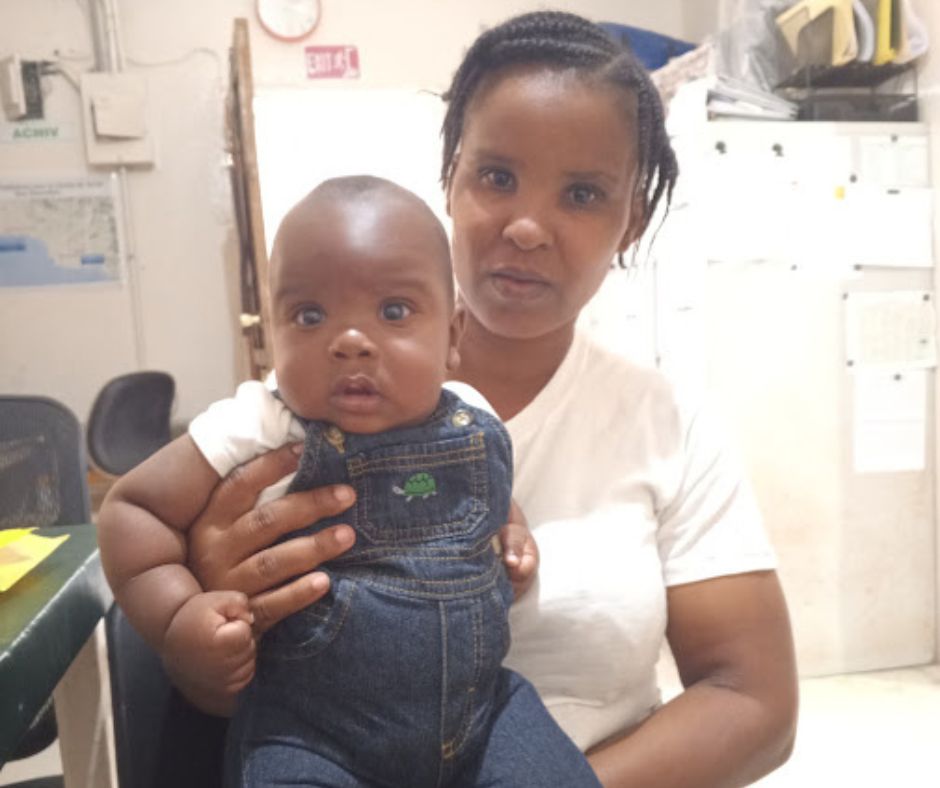
We know that beliefs passed down for generations won’t change because someone tells a mother she’s wrong. They change because someone she trusts takes time to explain. They change because she sees that continuing to breastfeed when she’s sick doesn’t harm her baby. They change because we show up, again and again, with patience and compassion.
That’s what we’re dedicated to. With every birth, every new mother, every conversation about feeding her baby and caring for herself. We will be persistent in our education, constant in our caring, and encouraging in our support.
Because mothers and babies deserve both wisdom and kindness.