

In many rural communities, pregnancy doesn’t always come with regular access to care or information. Distance, financial limitations, and a lack of awareness about why prenatal visits matter can keep expectant mothers from getting the support they need. Sometimes the consequences of that gap are serious.
What Prenatal Care Provides
During prenatal appointments, we guide mothers on how to care for themselves during pregnancy and how to protect their babies after birth. In the final weeks, we provide a delivery kit with basic supplies — a sterile razor blade, cord ties, baby clothes, and sanitary pads — designed to reduce the risk of infection during childbirth.
But supplies alone aren’t enough. They need to be used correctly, in clean conditions. Whoever assists with the delivery needs to wash their hands and handle the materials carefully. Without that, bacteria can enter through the umbilical cord, which is one way newborns develop tetanus — a serious and often fatal condition.
A Difficult Case
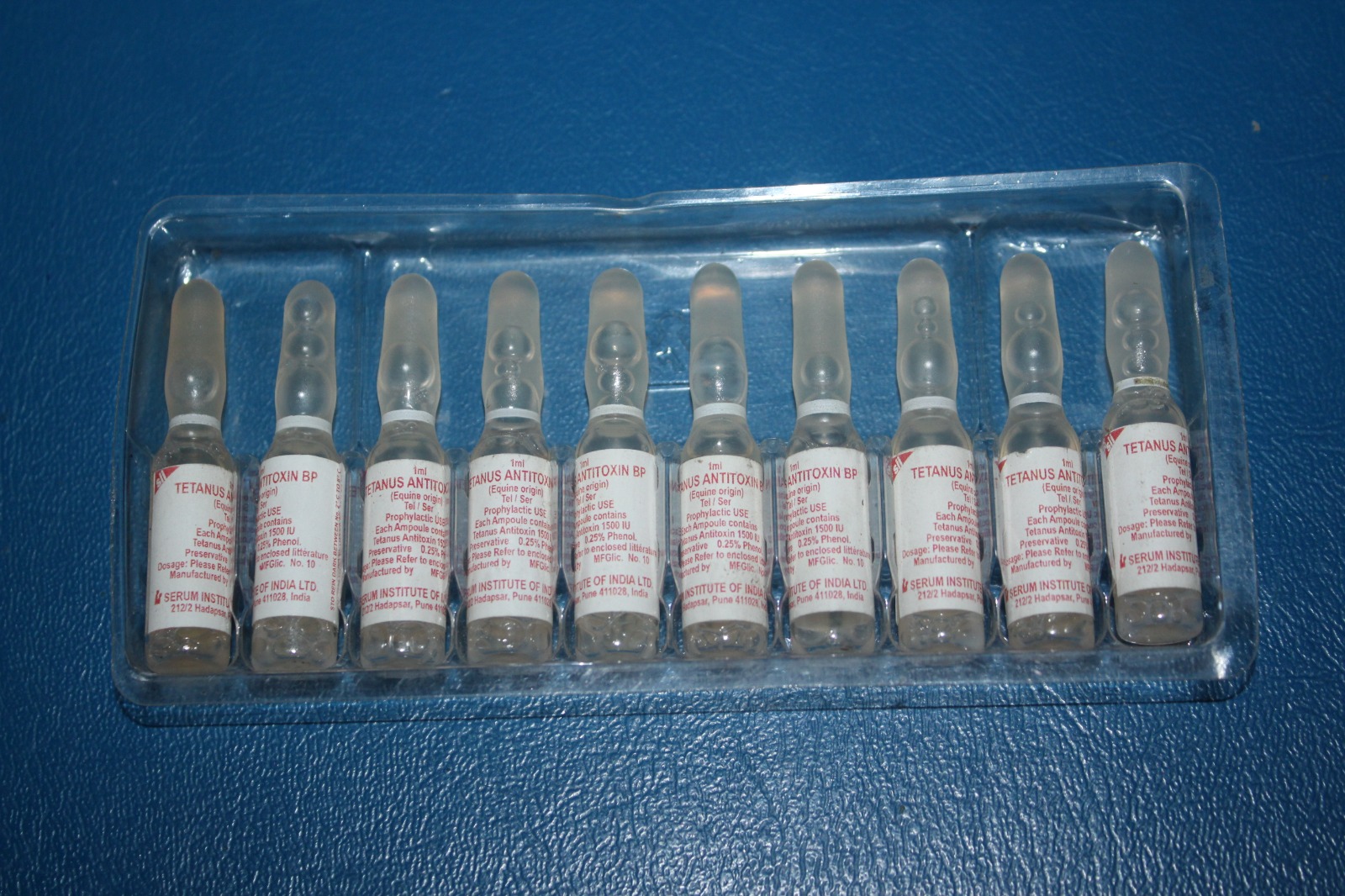
Recently, a newborn came to us showing signs that pointed to neonatal tetanus. His body had grown stiff, and he was struggling. Our medical team gave him medication and intensive care, but we weren’t able to save him. We were able to get a good history on the mother and the baby, so that we could help the best we could in this difficult situation.
This loss was hard on our team. The baby had no say in the circumstances of his birth. Like many children in communities with limited resources, his chances depended on things that aren’t always available — basic health education, prevention, and access to care.
A Preventable Risk
Tetanus isn’t something we see often, but it hasn’t disappeared. A small gap in hygiene, an unsafe delivery, or a missed vaccination during pregnancy can lead to outcomes that can’t be undone.
This case is a reminder of why prenatal education, vaccination, and maternal healthcare matter so much. For many families, that kind of information and support is hard to come by. That’s why donor support continues to make a real difference — helping more mothers get the care and knowledge that can change the outcome for their families.