

Healthcare looks very different in Haiti than it does in the United States. Both countries have doctors, nurses, hospitals, clinics, laboratories, and other healthcare professionals who work every day to care for patients. But the way people access healthcare, pay for treatment, and navigate the healthcare system can be very different.
Understanding these differences helps us better appreciate the challenges faced by patients and healthcare workers in Haiti—and the importance of making medical care accessible to everyone.
Healthcare in the United States

In the United States, health insurance plays an important role in helping people access healthcare. Many people who have stable employment receive health insurance through their employer. Others qualify for government-supported programs based on factors such as income, family size, age, disability, or other requirements.
Insurance can help pay for doctor visits, hospital stays, surgeries, emergency care, medications, laboratory tests, and other medical services. However, having insurance does not necessarily mean that healthcare is free. Patients may still have deductibles, copayments, coinsurance, or other out-of-pocket expenses.
For example, if someone needs an expensive surgery or emergency treatment, insurance may pay a large portion of the bill. Depending on the situation and the healthcare provider, the patient may be able to arrange a payment plan for the remaining balance rather than paying the entire amount at once.
For people who qualify, government healthcare programs can also make medical care more affordable. These programs are an important safety net for many individuals and families who might otherwise struggle to pay for necessary treatment.
A System Built Around Appointments and Technology
Another characteristic of healthcare in the United States is the use of scheduled appointments.
For routine medical care, patients generally make an appointment with their primary care doctor before being seen. Seeing a specialist may require a referral and, depending on the specialty and availability, a patient may wait several weeks or even months for an appointment.
Emergency departments work differently. Patients can seek care without an appointment, but emergency rooms can become extremely busy. Patients whose conditions are not considered immediately life-threatening may sometimes wait several hours before being seen.
Once a patient sees a doctor, the visit may be relatively short. A routine appointment might last around 15 minutes, while a more complicated medical problem may require 30 minutes, 45 minutes, or longer.
If medication is prescribed, the doctor can often send the prescription electronically to the patient’s preferred pharmacy. By the time the patient arrives, the pharmacy may already have the medication prepared.
Follow-up care is also highly organized. If a doctor wants to see a patient again in a month, the next appointment can often be scheduled before the patient leaves. Many clinics also send reminders by phone, text message, email, or through an online patient portal.
Electronic Medical Records
Technology has become an important part of healthcare in the United States.
When a patient has blood work, an X-ray, an ultrasound, or another medical test, the results can often be sent electronically to the doctor and added to the patient’s electronic medical record. This allows healthcare professionals to review previous tests, medications, diagnoses, and other information when making decisions about a patient’s care.
Many healthcare systems also provide patients with an online portal. Depending on the facility, patients may be able to review test results, communicate with their medical team, request information, schedule appointments, and ask questions.
These systems can make communication and record keeping much easier, although they also require technology, reliable internet access, trained staff, and significant financial investment.
Healthcare in Haiti
For many people in Haiti, accessing healthcare begins with a much more basic question:
Do I have the money to get there and receive care?
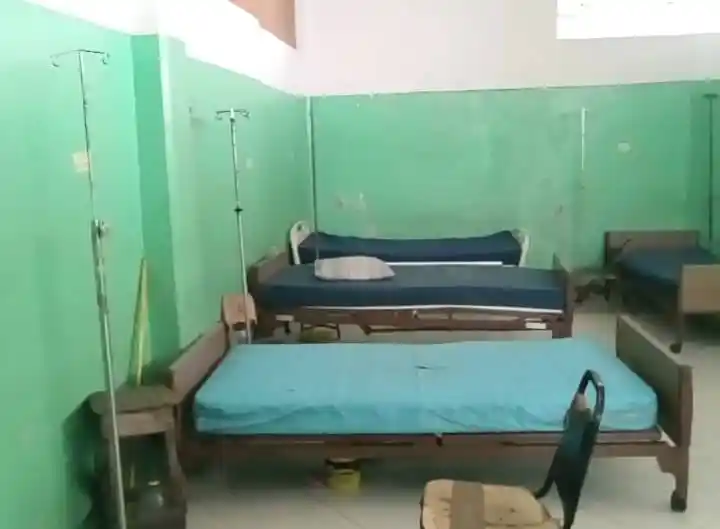
For families living with very limited resources, the cost of healthcare can include much more than the doctor’s consultation. A family may need money for transportation, laboratory tests, medications, hospital fees, food while away from home, or other necessary services.
Even transportation alone can become a major barrier.
A family may live hours away from the nearest healthcare facility. They may need to pay for a motorcycle taxi or another form of transportation to reach a clinic or hospital. If they do not have the money available, they may delay seeking care.
Unfortunately, delaying treatment can allow a relatively manageable illness to become much more serious.
Health insurance is also less widespread in Haiti and does not play the same central role in everyday healthcare access that it does for many Americans. Many Haitian families therefore depend on their own limited resources, assistance from relatives, healthcare facilities, charitable organizations, churches, or humanitarian programs when medical needs arise.
Healthcare providers in Haiti may also face challenges involving infrastructure, equipment, medications, staffing, and access to specialized medical services.

Limited Resources Create Additional Challenges
In some communities, patients must travel long distances to find the care they need. Poor road conditions, transportation difficulties, insecurity, and the limited availability of healthcare services can make that journey even more difficult.
Some hospitals and clinics must care for large numbers of patients while working with limited supplies and equipment.
Access to specialists can also be difficult. While some facilities use scheduled appointments, others may see patients as they arrive. Waiting times and the availability of medical professionals can vary greatly depending on the location and the facility.
These challenges can place tremendous pressure on both patients and healthcare workers.
Two Systems, Different Challenges
It is easy to look at the differences between Haiti and the United States and assume that one healthcare system simply has everything the other does not.
The reality is more complicated.
The United States has many advantages, including advanced medical technology, electronic medical records, extensive laboratory and diagnostic services, specialized healthcare providers, structured appointment systems, and insurance and government programs that help many people afford care.
But the American healthcare system has challenges of its own. Medical care can be expensive. Insurance can be complicated. Patients may face significant out-of-pocket costs, and access to certain doctors or specialists can involve long waits.
In Haiti, healthcare providers often work with far fewer resources while caring for people who may have significant barriers to accessing treatment. Yet clinics, hospitals, doctors, nurses, community health workers, humanitarian organizations, churches, and other groups continue working to provide essential care to vulnerable families.
What Both Systems Have in Common
Despite all of these differences, one thing remains the same.
Healthcare workers in both countries are working to help people.
Doctors, nurses, medical assistants, laboratory technicians, pharmacists, community health workers, and many others share the same fundamental mission: to protect lives, treat illness, relieve suffering, and help patients become healthy again.
The circumstances may be different. The resources may be different. The technology may be different. But the need for compassionate healthcare is universal.
At Real Hope for Haiti, we see every day how important access to healthcare can be. A child who needs treatment should not have to wait until an illness becomes life-threatening simply because the family cannot afford transportation. A mother should not have to choose between buying food for her children and paying for medical care. A family should have somewhere to turn when they do not have the resources to face a medical crisis alone.
Healthcare should not depend solely on where someone lives or how much money they have.
Strong healthcare systems require trained professionals, reliable medications and supplies, appropriate equipment, safe facilities, and ways for vulnerable families to access care.
The differences between Haiti and the United States remind us that healthcare is not only about medicine. It is also about access, resources, compassion, and making sure that people have somewhere to turn when they need help.
And wherever we live, that is something worth investing in.