

In Haiti, the way children travel to school can be very different depending on where they live. In both rural communities and cities, families have developed different ways of getting their children to school, often depending on distance, transportation options, safety, and the family’s financial situation.
In Cazale, most schools, especially those offering secondary education, are located around the center of the community. Cazale is a mountainous area where walking is one of the most common ways to get around. When people are not traveling to a distant location, they often choose to walk rather than use transportation.
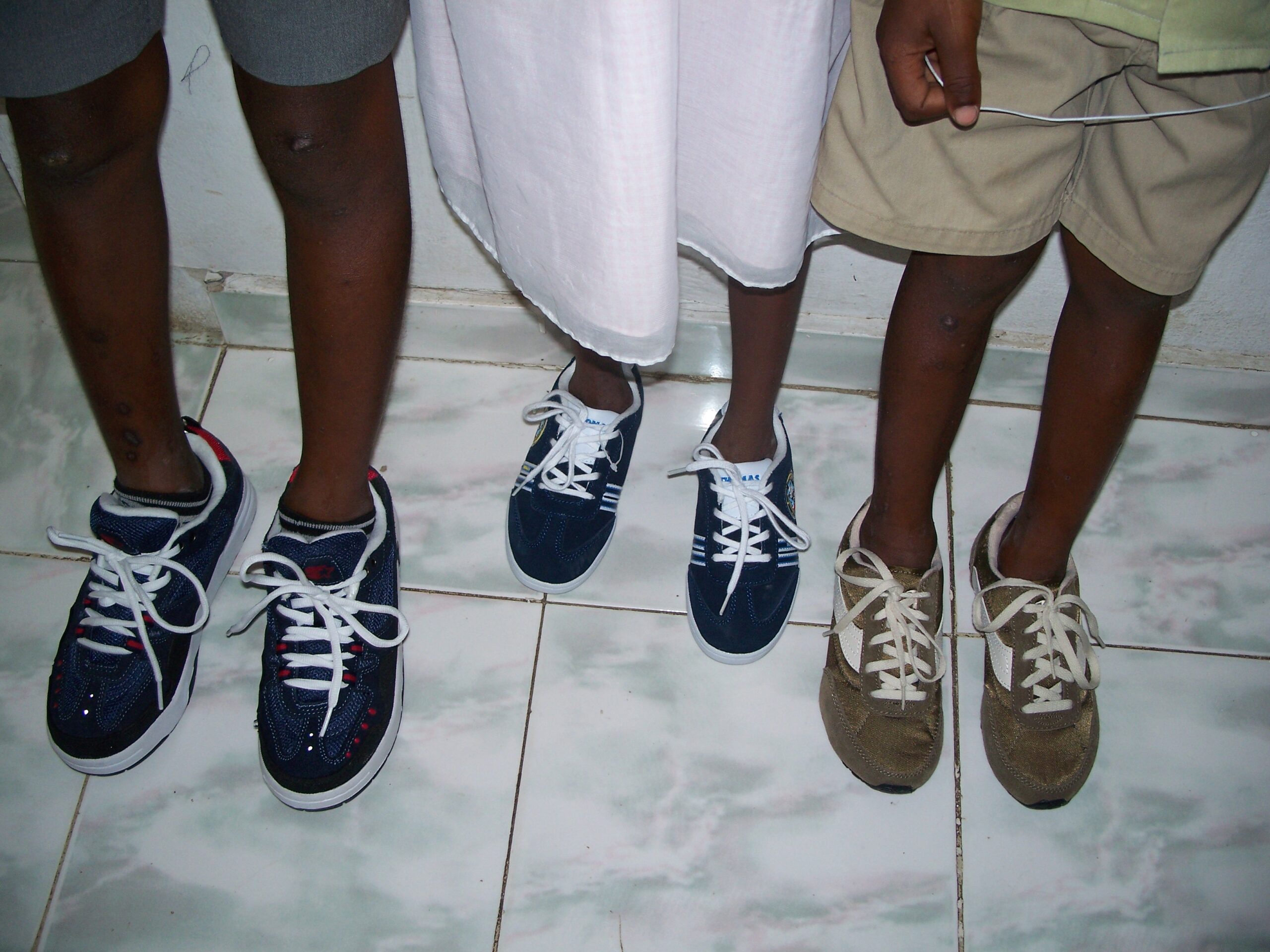
Every morning, it is a familiar and touching sight to see parents walking alongside their children, sometimes holding their hands as they accompany them to school. For younger children, this daily journey is not simply a way to get to class; it is also a moment when parents protect and guide them on the road.
The way a child gets to school often depends on how far the child lives from the school and on what the family can afford. If the school is about 30 minutes away on foot, some parents who have the means choose to pay for a motorcycle taxi subscription. The same motorcycle driver takes the child to school each morning and brings them home after school.
Motorcycles are one of the easiest forms of transportation to find in Cazale. However, they are not always the safest option. Families who do not own a vehicle have very few alternatives because car taxis are not as readily available as motorcycle taxis. As a result, some parents feel they have no choice but to rely on motorcycle transportation, even when they know there are risks. Other parents, despite having the financial means, prefer not to use motorcycle taxis because they consider them too dangerous.
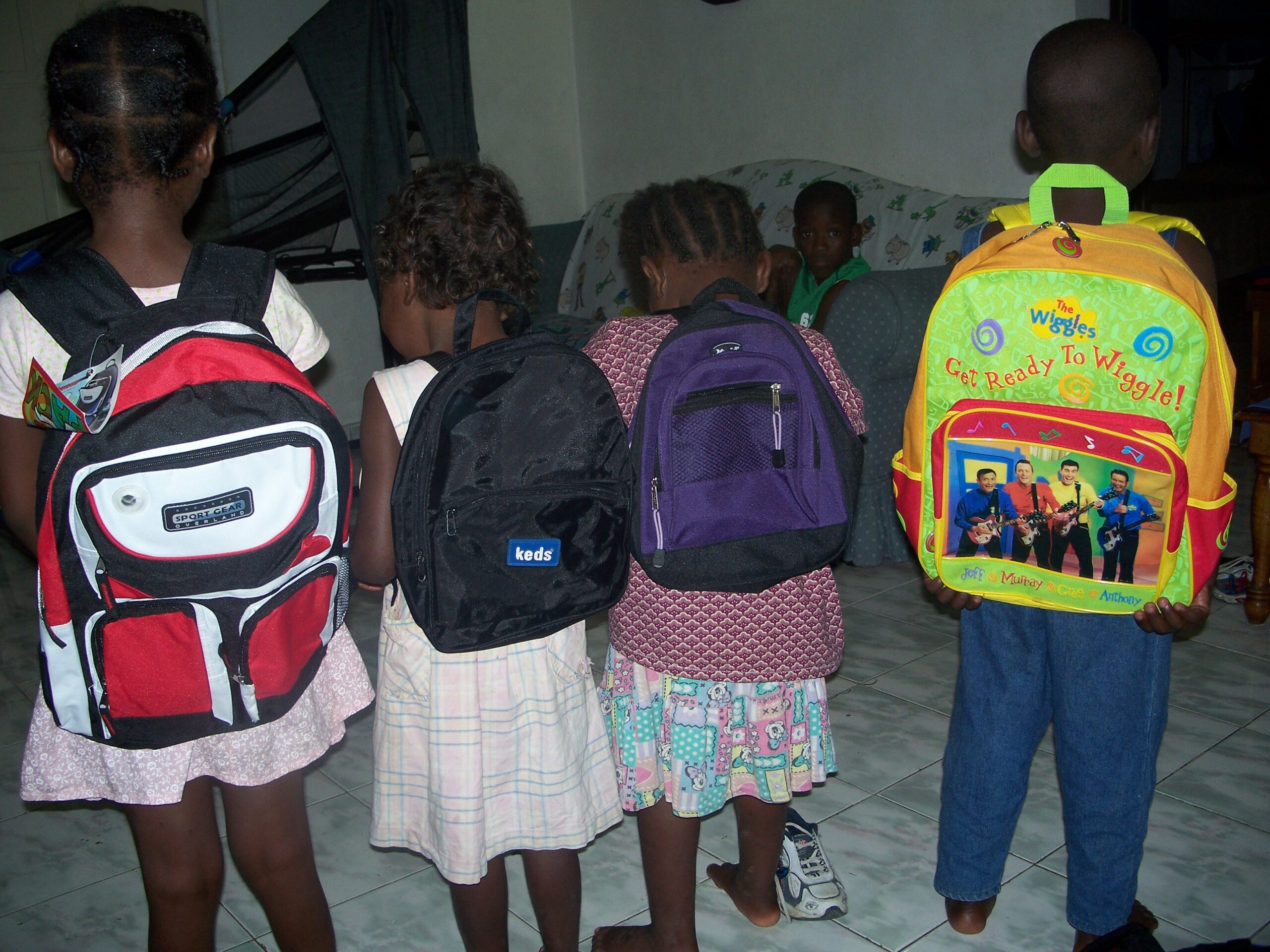
For children who are just beginning school or who are still very young, especially those under around ten years old, parents often accompany them on foot. If the family has not arranged regular motorcycle transportation, the parent will also return to school at the end of the day to walk the child home. This means that a simple school day can require several hours of walking for both the child and the parent.
The situation is somewhat different in Haiti’s cities. Regardless of how far the school is from home, parents can usually find car taxis or other forms of public transportation more easily. Roads may also make traveling to school more convenient. However, city children face another challenge: traffic.
In larger urban areas, traffic congestion can become severe, especially during the morning rush hour. Children and their parents therefore often have to leave home very early to avoid getting stuck in traffic and arriving late at school.
For many Haitian children, the journey to school is more than simply traveling from home to a classroom. It reflects their family’s financial situation, the transportation available in their community, the condition of the roads, and the safety challenges they face every day. Whether walking hand in hand with a parent through Cazale or leaving home early to beat city traffic, these children begin their education with a journey that requires time, effort, and determination.