

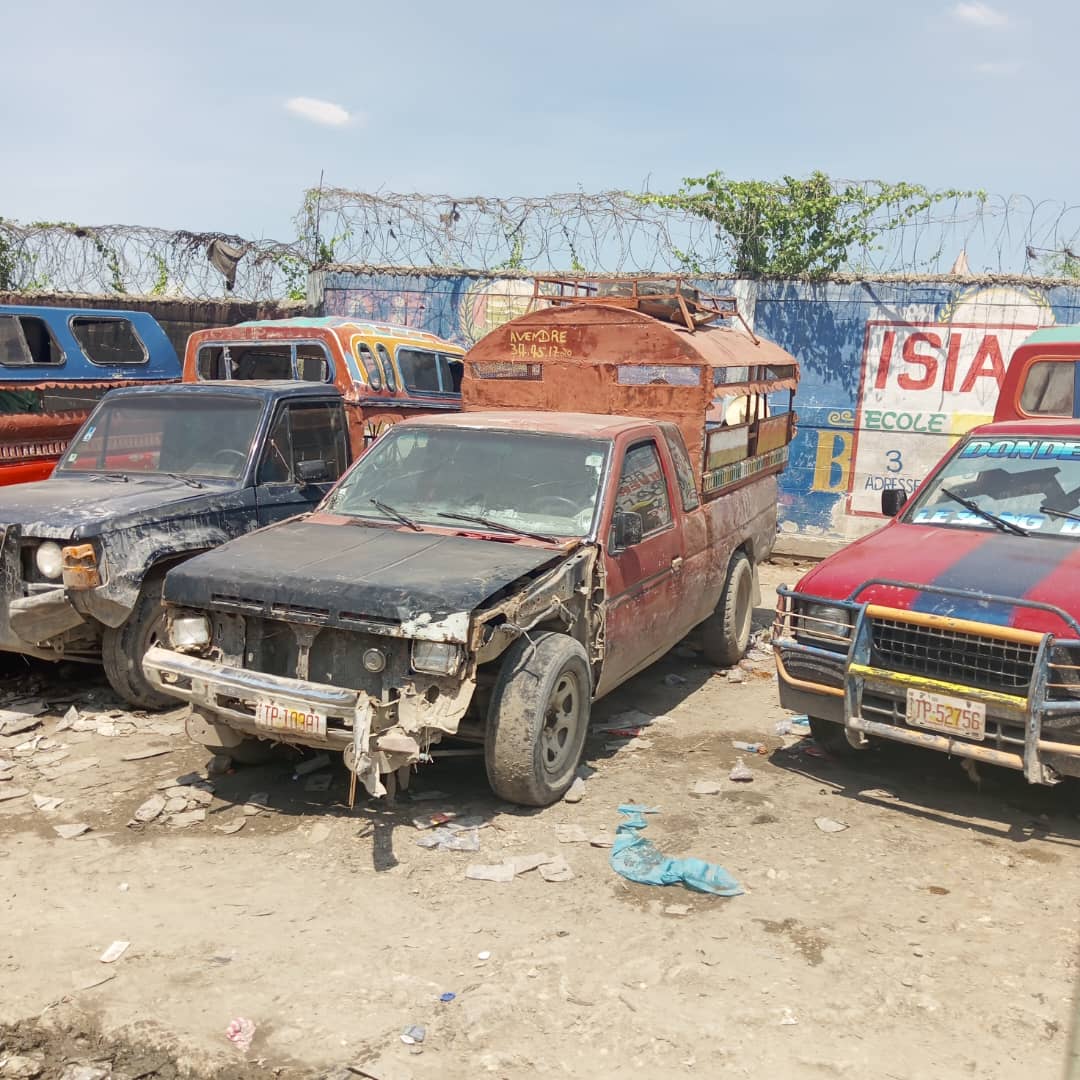
In Haiti, public transportation is an essential part of everyday life, especially for people who do not own a vehicle. One of the most familiar forms of transportation is the tap-tap, a small truck or pickup that has been modified to carry passengers. Tap-taps are often easy to recognize by their bright colors, painted designs, and messages written across the vehicle. For many Haitians, they are an important way to get to work, school, markets, medical clinics, and other destinations.
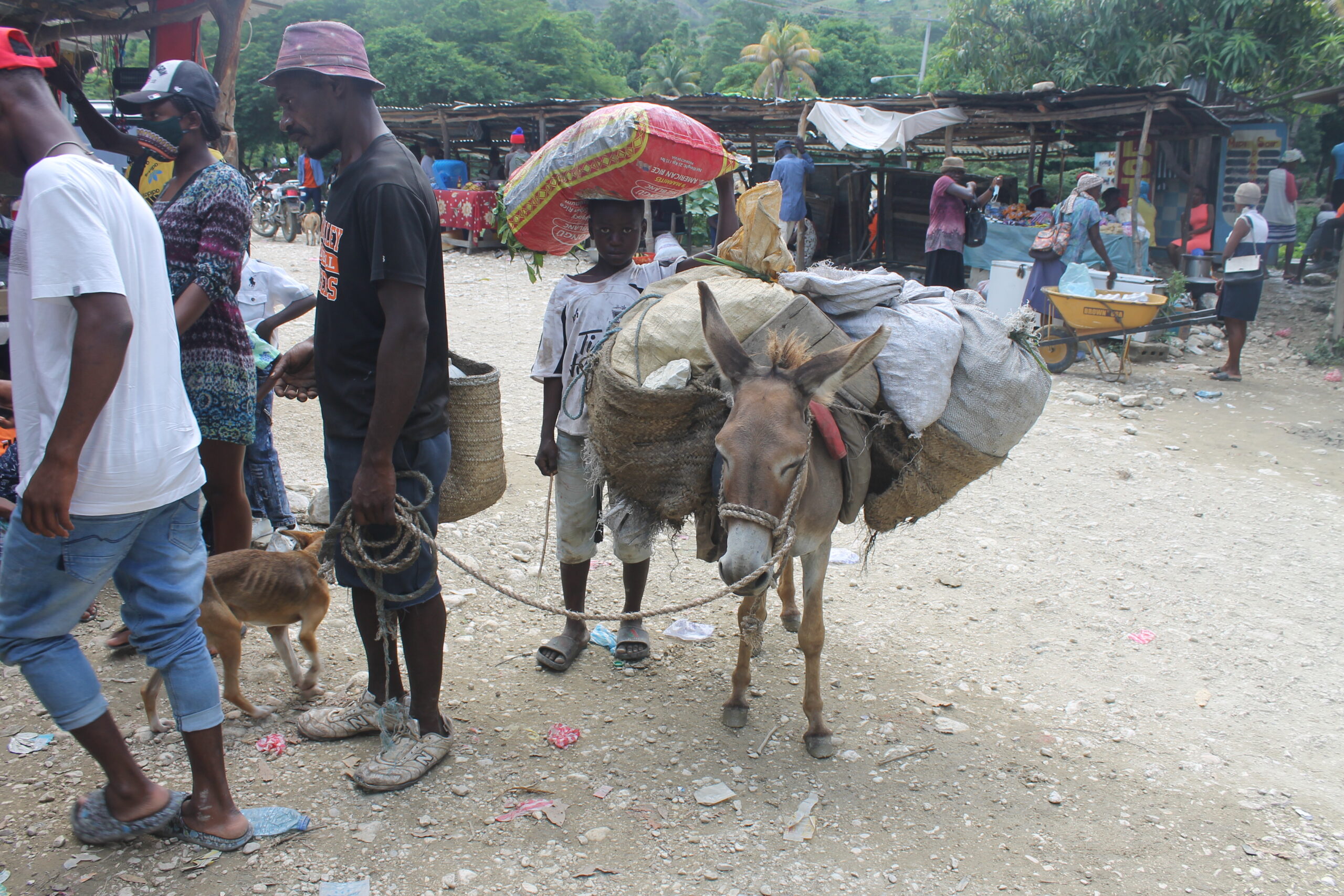
Transportation in Haiti is very different from what many people in the United States experience. Tap-taps do not always follow fixed schedules or established routes. Passengers often wait along the roadside and signal when they want a driver to stop. Once the vehicle has enough passengers, it continues along its route, picking up additional people along the way.
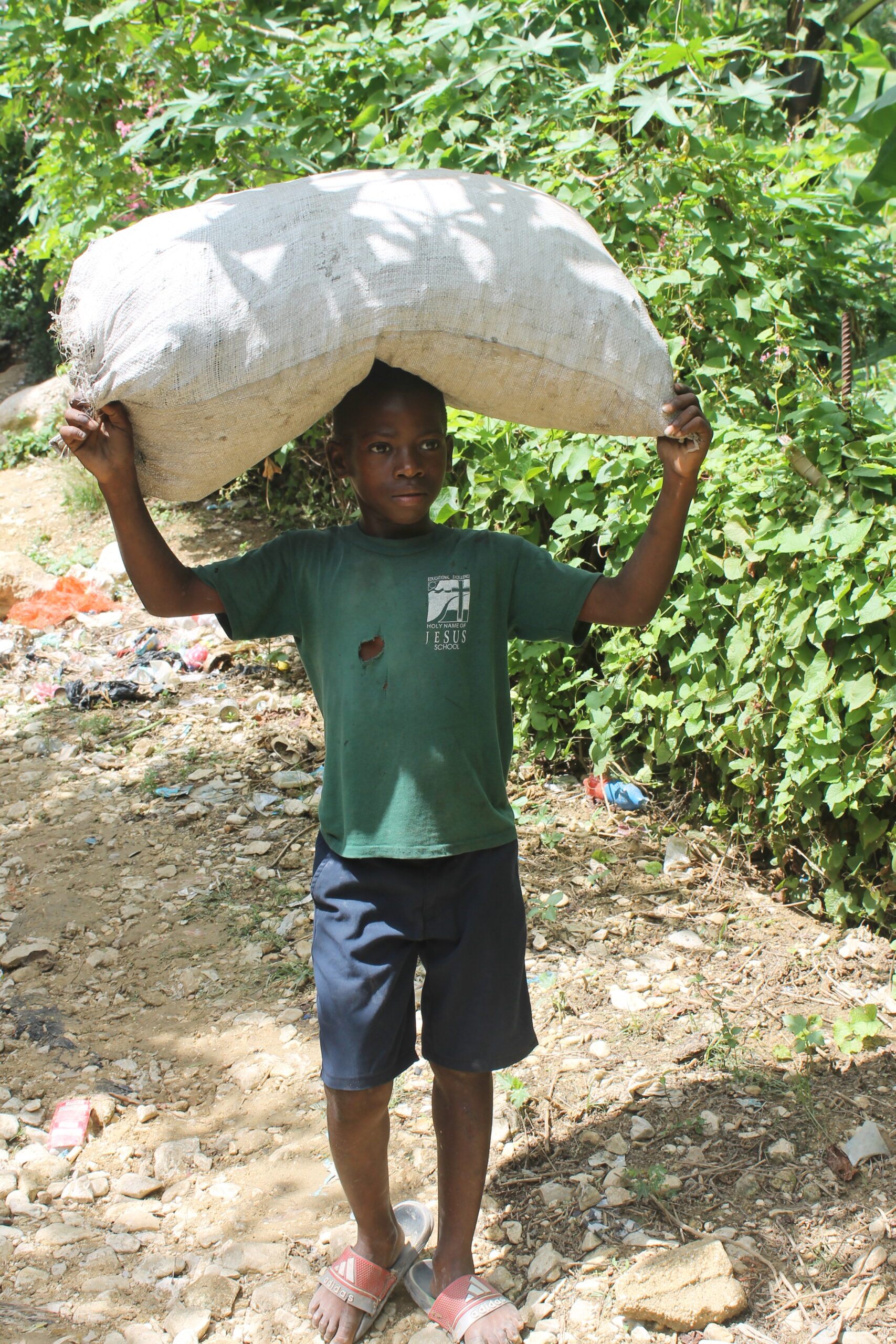
For people living in rural communities, transportation can be even more difficult. Roads may be long, rough, and filled with potholes and rocks. During the rainy season, some roads become especially challenging to travel. Reaching a destination may require using several different forms of transportation, and the cost can quickly become a burden for families with limited resources.
For children traveling to school, patients seeking medical care, and people going to work, transportation cannot always be taken for granted. If someone does not have enough money to pay the fare, they may have no choice but to walk a long distance or wait until they can find another way to travel.
This is why something as simple as getting to school, work, or a medical clinic can require significant time, planning, effort, and sacrifice. For many families in Haiti, the journey itself is part of the challenge they face every day.