

In many rural villages across Haiti, severe mental illness is not seen as a medical condition. It is seen as a problem to be contained or eliminated.
When someone becomes violent and uncontrollable, there are no police to call. No crisis hotlines. No ambulances. No emergency rooms. There is only the village, doing what it believes it must to protect itself. People have been tied up, locked in rooms, beaten, and, in the most desperate and heartbreaking cases, killed. Not out of cruelty, but out of fear, and out of the complete absence of any other option.
We believe there is another option. And we have seen what it does.
The Chain That Became Part of Him
When Marc came to us, he had been chained up for months. The chains had cut so deeply into his legs that his skin had grown up and around the metal. The chain was embedded in his flesh in multiple places. Our team administered anesthesia and carefully removed what we could, then treated and dressed his wounds until they healed.
But we wanted to do more.
We offered to connect him with a psychiatrist. His family agreed, and a friend accompanied him to his first appointment. The months of restraint had left him unable to fully straighten his legs or walk upright. But today, Marcellus is living in peace. He is in a much better place. And his family does not chain him anymore.
The Mother Who Kept Fighting
Lucy gets catatonic without her medication. Despite this, she tried fiercely to care for herself and her two children. We had been helping her for years, funding her visits to a non-profit psychiatric clinic and enrolling her children in our school sponsorship program. Things were going well.
Then the insecurity that plagues so much of Haiti forced the clinic to close.
We found her another hospital. That one closed after five months. For a period, there was simply nowhere for her to go. She managed for a couple of months, then declined rapidly. Her children’s father took the kids. Her sister took her into her home to care for her. For months, our team searched for a new psychiatric provider, and for months, we came up empty.
Last year, we finally found a hospital with a psychologist, who referred us to Dr. Fredrick, a psychiatrist who has, quite simply, changed everything.
Lucy is back. She is stable. She talks to her children on the phone, but we are praying for them to be reunited.
The Woman Nobody Recognized
Rose is a young woman in her early 20s with no family to rely on. It was her church community that noticed something was wrong and it was her church community that pooled their money together, assigned a leader, and brought her to us.
She arrived catatonic. She wasn’t eating. She was severely underweight, anemic, and in poor health.
Two months later, our staff didn’t recognize her.
She was talking. She was laughing. Her skin was healthy, her color was vibrant. She couldn’t stop smiling. She told us she was so happy to have her life back. Today, her church members still check on her, but she is able to fully care for herself.
Sons, Fathers, and Families Made Whole
Isaac used to be so violent that his family had to shut him away from everyone. He was extraordinarily strong and regularly hurt family members. He broke nearly everything he touched. His father recently sent us a message: Isaac is calm now. He is having real conversations with them, something they haven’t been able to do in years. “I have my son back,” he told us.
Jack, the son of a woman who works with us, used to walk through the village without clothes, shouting and talking to himself. His family had no way to help him. Now, he is asking to attend church and give thanks for how much he has improved.
David used to disappear for weeks at a time, wandering alone in the mountains. His family could not find him. Today, he is home, engaged, and talking with his loved ones.
What $65 a Month Actually Does
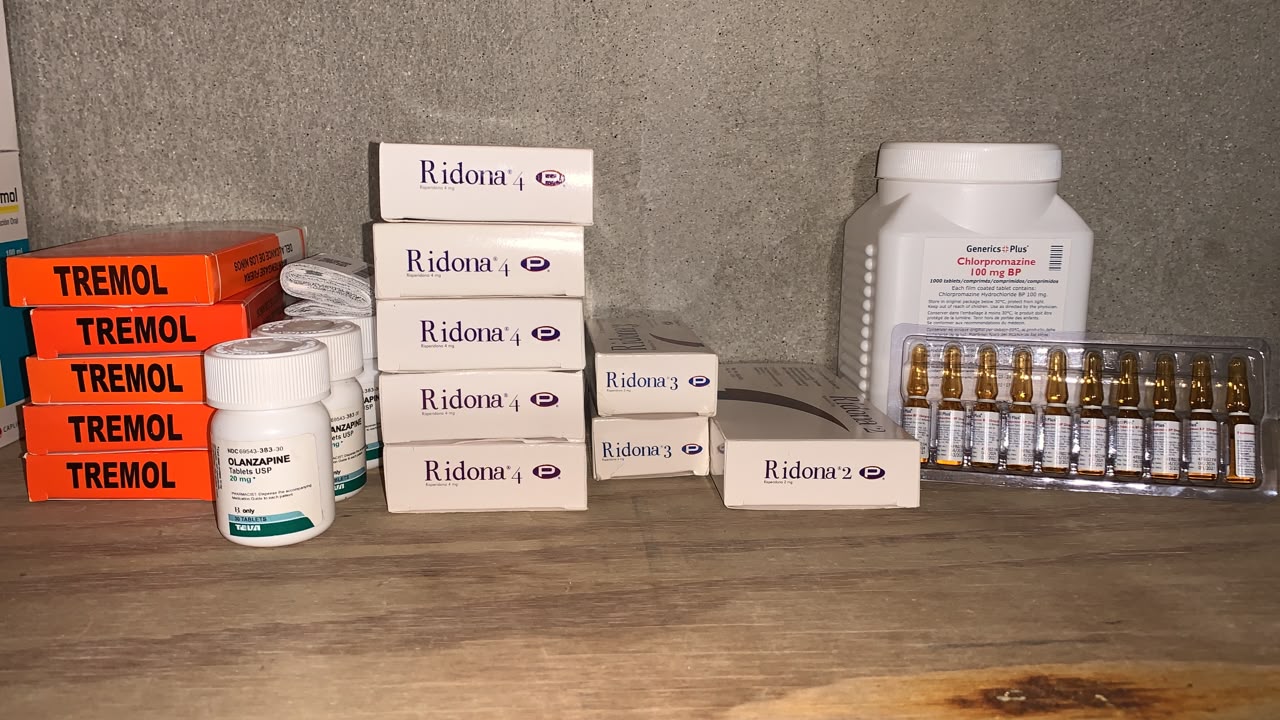
We currently support 14 patients (1 child, 5 young adults, and 8 adults) receiving psychiatric care under Dr. Fredrick’s oversight. Some came to us catatonic. Some were violent. All were unable to function. Not one of them has missed an appointment. All have shown remarkable improvement.
When patients first come in, our staff meets with them to assess their situation. A finance committee vets each case and ensures there is enough support around each person (family, church, or community) to make sure they take their medications and follow up consistently. The results have been extraordinary. Sometimes when patients return, our own staff don’t recognize them at first, because the transformation is so complete.
The average cost of care and medication for one patient is $65 per month.
That’s it. Sixty-five dollars stands between someone and the chain. Between a mother and her children. Between a young woman and the life she almost lost.
How You Can Help
We are asking for sponsors, full or partial, for these 14 patients.
- $65/month sponsors one patient’s full care and medication
- Any amount contributes toward their care
You can designate your gift to the clinic and we will ensure every dollar goes towards their care and medications. No one will fall through the cracks. No one will lose their medication because the funds ran out. And no one who finally has their life back will be forced to lose it again.
These are not statistics. They are Marc, Lucy, Rose, Isaac, Jack, David and eight others just like them. They are people who were written off, locked up, and in some cases nearly killed, simply because no one knew there was another way or didn’t have access to it.
Now we do. Will you help us keep going?
To sponsor a patient or make a contribution, give a recurring gift on our website and remember to type “CLINIC” in the comments.
All patient names have been changed to protect privacy.